Storms Damage Over 1,000 Homes and Raise River Levels in Southern Brazil
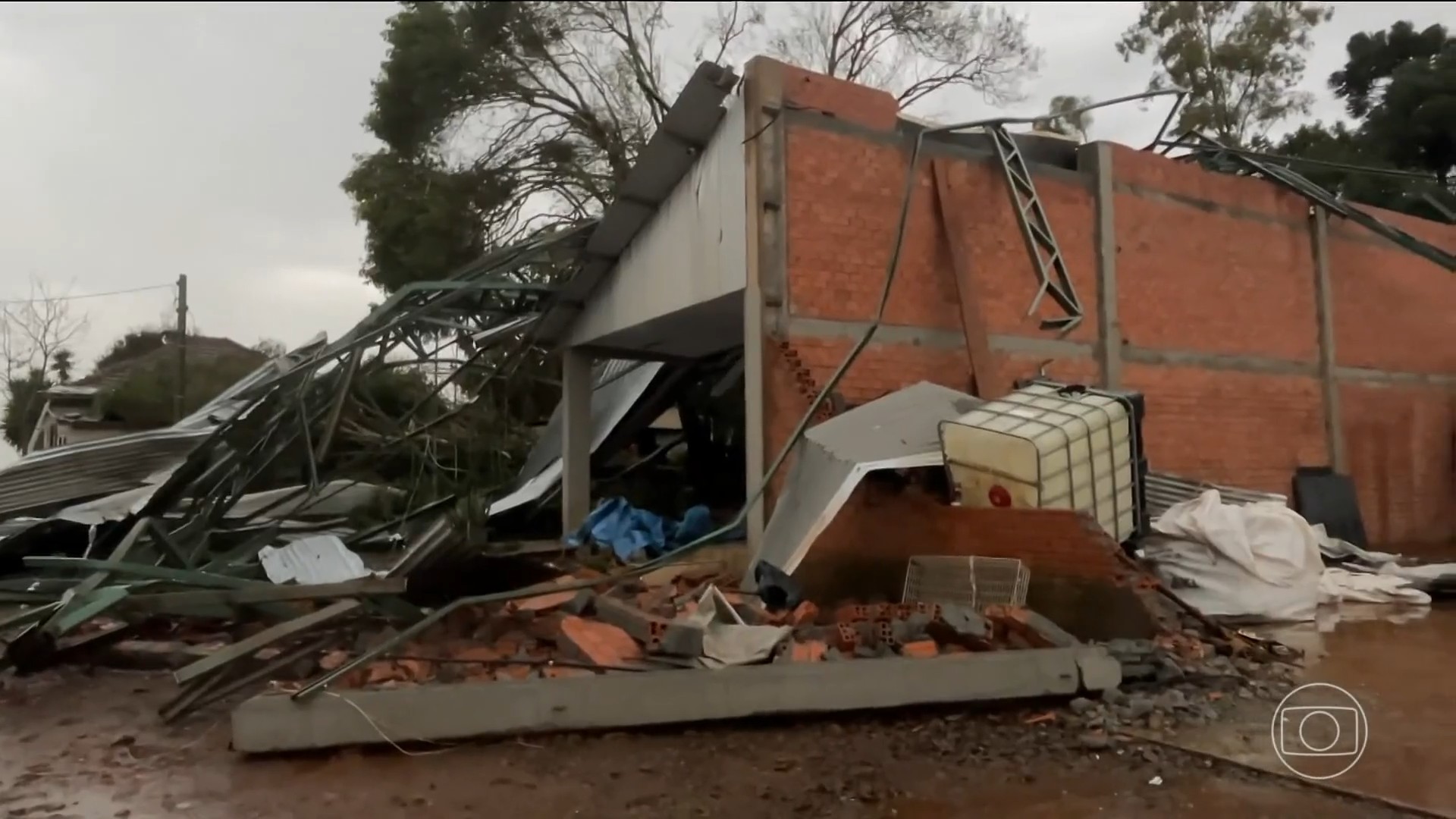
Severe storms with winds nearing 90 km/h have caused significant damage across Rio Grande do Sul, Brazil, since Monday, September 27th. Over a thousand homes have had their roofs damaged or torn off by the intense weather. In Santo Antônio das Missões, approximately 500 houses were affected by hail, with residents describing the rapid destruction. Following the hail, strong winds further damaged already compromised roofs, with residents struggling to make repairs amidst heavy rain. In Ernestina, the situation was described as difficult, with ongoing rain making repairs challenging and concerns about future rainfall. Caxias do Sul saw a tree fall onto a house, injuring a resident sleeping in his bed. Osório reported over 200 houses losing their roofs, along with numerous fallen utility poles and widespread power outages. Public buildings and a car dealership also sustained damage. Although residents received alerts from the Civil Defense, some reported having little time to react to the sudden ferocity of the storms. In Santa Cruz do Sul, a siren alerted residents to rising river levels, but the river stopped short of reaching homes, prompting precautionary evacuations. Meanwhile, the Uruguay River continues to rise in Uruguaiana, near the Argentine border, forcing fifty people to leave their homes and preparing more families for potential displacement.
The recent storms in Rio Grande do Sul highlight the escalating vulnerability of infrastructure and communities to extreme weather events, a trend amplified by climate change. The widespread damage to over a thousand homes underscores the need for more resilient building codes and urban planning that account for increased storm intensity. While Civil Defense alerts are crucial, the rapid onset and severity of these events suggest a gap between warning systems and the capacity for effective, timely mitigation by residents. The recurring rise of river levels, particularly in border regions, points to complex transboundary hydrological challenges requiring coordinated regional management strategies. Future investments should prioritize early warning systems integrated with robust evacuation infrastructure and community preparedness programs to minimize loss of life and property in the face of increasingly frequent and severe weather phenomena.
AI-generated to prompt reflection — not editorial opinion, not advice, not a statement of fact. How this works.