Storms hit Rio Grande do Sul, leaving 22,000 without power and damaging 21 cities
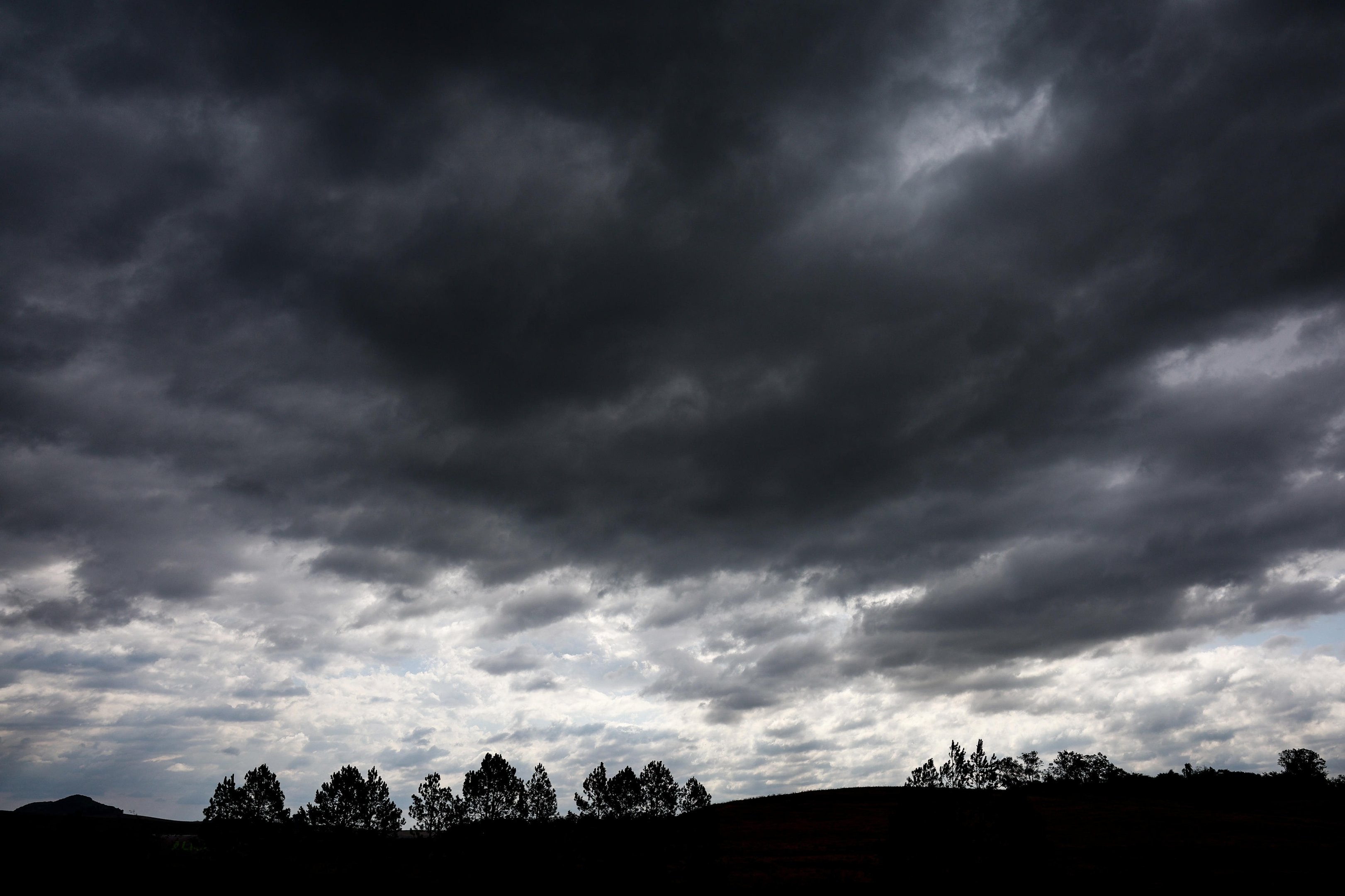
Severe storms have impacted Rio Grande do Sul, Brazil, leaving approximately 22,000 electricity units without power across 125 municipalities and causing damage in 21 cities as of Sunday morning, May 19th. The Civil Defense reported isolated damage, including fallen vegetation and utility poles, but no municipality has declared a state of emergency yet. Three Civil Defense teams are on standby to respond across the state. Although the storm system weakened after passing through Argentina, heavy rain is still possible in the coming hours. In Quaraí, six-hour rainfall reached 60.8 mm, and Santa Maria recorded winds of 90 km/h. The Military Fire Department responded to 41 storm-related incidents, 25 of which involved fallen trees. The most critical conditions are expected in the Western Frontier, Missões, Campanha, and Central regions, with potential for severe weather in cities like Uruguaiana, Alegrete, and Santa Maria. For the week ahead, a cold front is forecast to bring heavy rain, hail, and winds up to 100 km/h to various regions. The National Institute of Meteorology (Inmet) issued a severe storm warning valid until Monday night, predicting up to 100 mm of daily rainfall, power outages, crop damage, fallen trees, and flooding. Wind gusts are expected to range from 70-90 km/h in the southern half of the state, with higher gusts possible in some areas. Instability will continue on Monday, especially in the Central, Missões, Valleys, Metropolitan, and Serra regions. By Tuesday, the cold front is expected to move north, bringing up to 100 mm of rain to the northwestern and northern areas, while conditions improve in the Campanha and Southern Zone. Stable weather with sunshine is anticipated for the entire state by Wednesday, May 22nd.
The severe weather event in Rio Grande do Sul highlights the ongoing vulnerability of infrastructure and communities to extreme meteorological phenomena, exacerbated by complex climate patterns. While the immediate response focuses on power restoration and damage assessment, a longer-term perspective is needed to evaluate the resilience of regional planning against increasingly frequent and intense weather events. Future infrastructure investments and urban development strategies should integrate advanced climate modeling to mitigate risks associated with high winds, heavy rainfall, and potential flooding. Examining the interplay between meteorological forecasts, emergency response protocols, and public preparedness can identify systemic improvements to enhance societal adaptation to climate change impacts over the next decade.
AI-generated to prompt reflection — not editorial opinion, not advice, not a statement of fact. How this works.