Storms in São Paulo Cause Millions in Losses for Peanut and Sugarcane Farmers
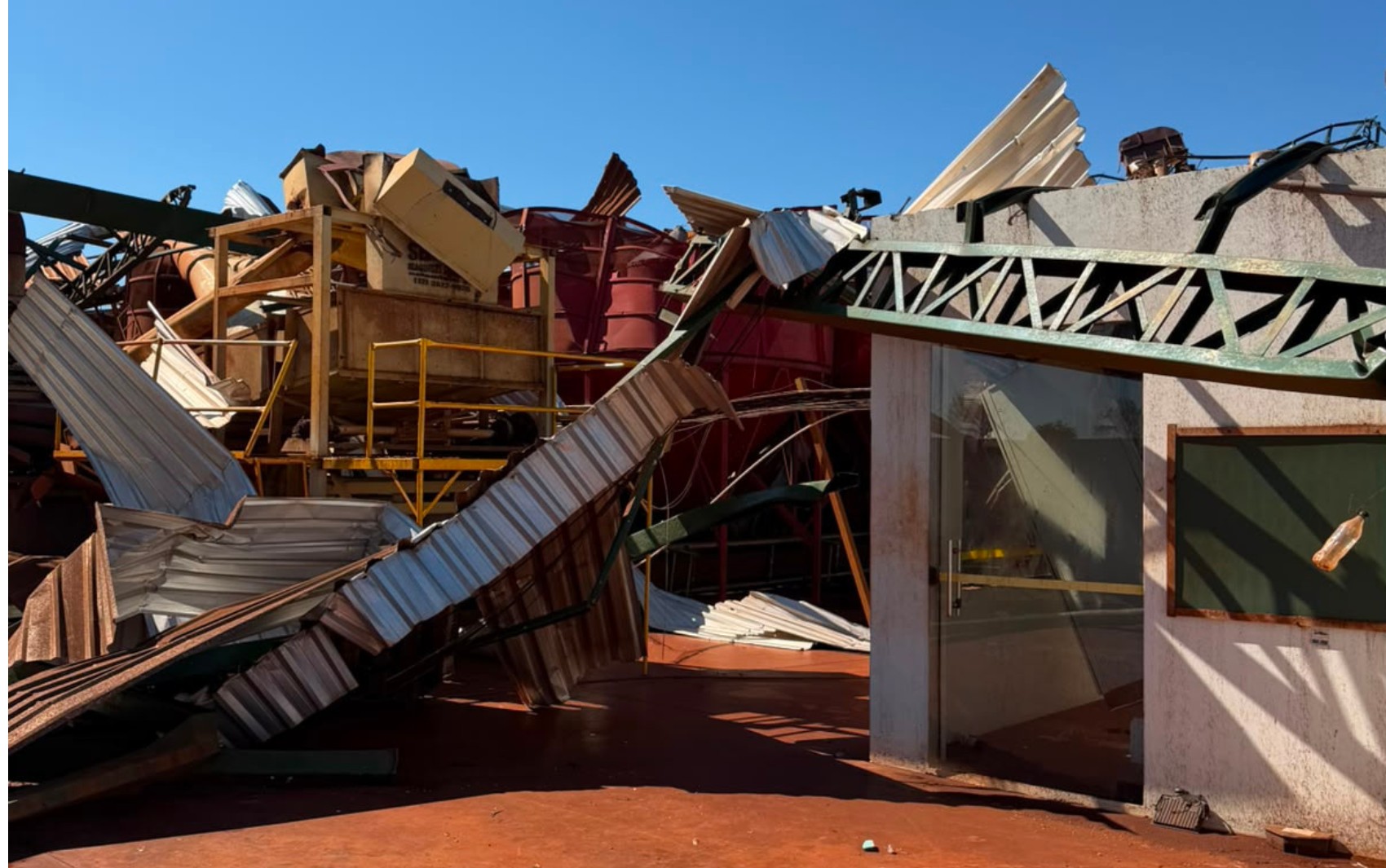
A severe storm with winds reaching up to 160 km/h has caused significant financial damage to agricultural producers in the Ribeirão Preto region of São Paulo, Brazil. The storm, which occurred on Friday, the 24th, resulted in the destruction of storage facilities, damage to machinery, and impacts on sugarcane fields. In Dumont, peanut farmer Mário Donegá estimates losses around R$ 35 million, primarily due to the destruction of a warehouse storing peanuts and another housing machinery. Donegá cultivates approximately 800 alqueires of peanuts, and while sugarcane areas were also affected, the structural damage was more severe. In Taquaritinga, sugarcane producer Mário Lemos reported damage to planting areas and farm facilities, with the full extent of crop loss yet to be determined as recovery is uncertain. His family, with over 80 years of farming history, experienced unprecedented damage. The state government announced R$ 400 million in emergency credit for affected businesses and farmers through Desenvolve SP, offering loans with terms up to ten years and interest rates starting at 5% plus IPCA. Municipalities with declared emergency situations can also apply for financing. Preliminary estimates from Orplana suggest between 30,000 and 40,000 hectares of sugarcane were impacted in the Ribeirão Preto region, with varying degrees of damage. Governor Tarcísio de Freitas stated that 79,000 hectares were affected across several municipalities, with losses including greenhouses, orchards, and storage structures.
The recent severe weather event highlights the vulnerability of agricultural infrastructure and production to extreme climate phenomena. The significant financial losses incurred by producers underscore the need for enhanced resilience strategies, including improved building codes for agricultural structures and advanced crop insurance mechanisms that account for increasingly volatile weather patterns. The government's emergency credit line offers immediate relief, but long-term solutions may involve investing in climate-resilient farming techniques and diversifying agricultural outputs to mitigate risks associated with single-crop reliance. As climate change intensifies, such events are likely to become more frequent, necessitating proactive adaptation measures to safeguard food security and rural economies.
AI-generated to prompt reflection — not editorial opinion, not advice, not a statement of fact. How this works.