Storms Rip Through Rio Grande do Sul, Damaging Over 1,000 Homes and Causing Widespread Power Outages
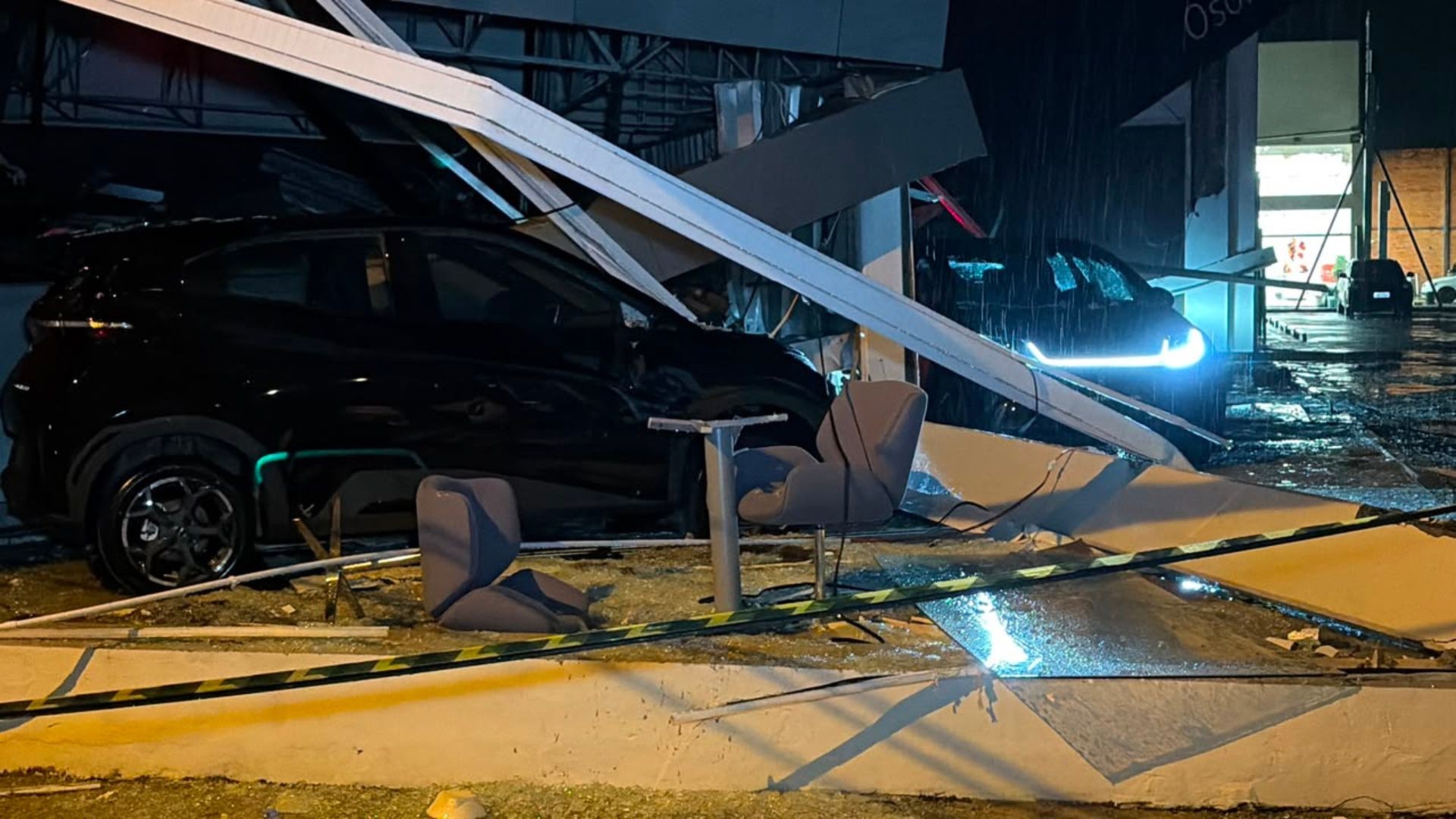
A severe storm, featuring hail and winds exceeding 85 km/h, caused significant damage across several municipalities in Rio Grande do Sul, Brazil, between Monday afternoon (May 27) and Tuesday morning (May 28). Over a thousand homes were left without roofs, with Santo Antônio das Missões, Ernestina, and Osório being the most affected. In Santo Antônio das Missões, a brief but intense downpour damaged approximately 500 houses, requiring assistance from firefighters for residents. Ernestina reported damage to around 350 residences, representing 70% of its housing stock, and one resident was displaced, though no injuries were reported. In Osório, a portion of the BYD dealership's structure collapsed, falling onto parked electric vehicles. The storm also led to 200 homes losing their roofs, 40 power poles and 12 trees being downed, and 1,280 customers losing electricity. One resident in Osório sustained a minor injury while attempting roof repairs. Across the state, over 53,000 customers of CEEE Equatorial and nearly 1,000 served by RGE experienced power outages. The forecast indicates continued severe weather, with potential for up to 150 millimeters of rain and wind gusts over 100 km/h, and a possibility of tornadoes.
The severe weather event in Rio Grande do Sul highlights the increasing vulnerability of infrastructure and residential properties to extreme meteorological phenomena. The damage to over a thousand homes and widespread power outages underscore the need for enhanced resilience in building codes and urban planning, particularly in regions prone to such events. The incident at the BYD dealership, involving damage to electric vehicles, also points to evolving risks associated with new technologies in the face of climate-related disasters. Future preparedness strategies should consider not only traditional infrastructure protection but also the specific vulnerabilities of emerging technologies and the potential for cascading failures across interconnected systems, especially as meteorological models predict a rise in the frequency and intensity of such storms due to climate change.
AI-generated to prompt reflection — not editorial opinion, not advice, not a statement of fact. How this works.