Storms with high winds and hail threaten central-western and western São Paulo cities
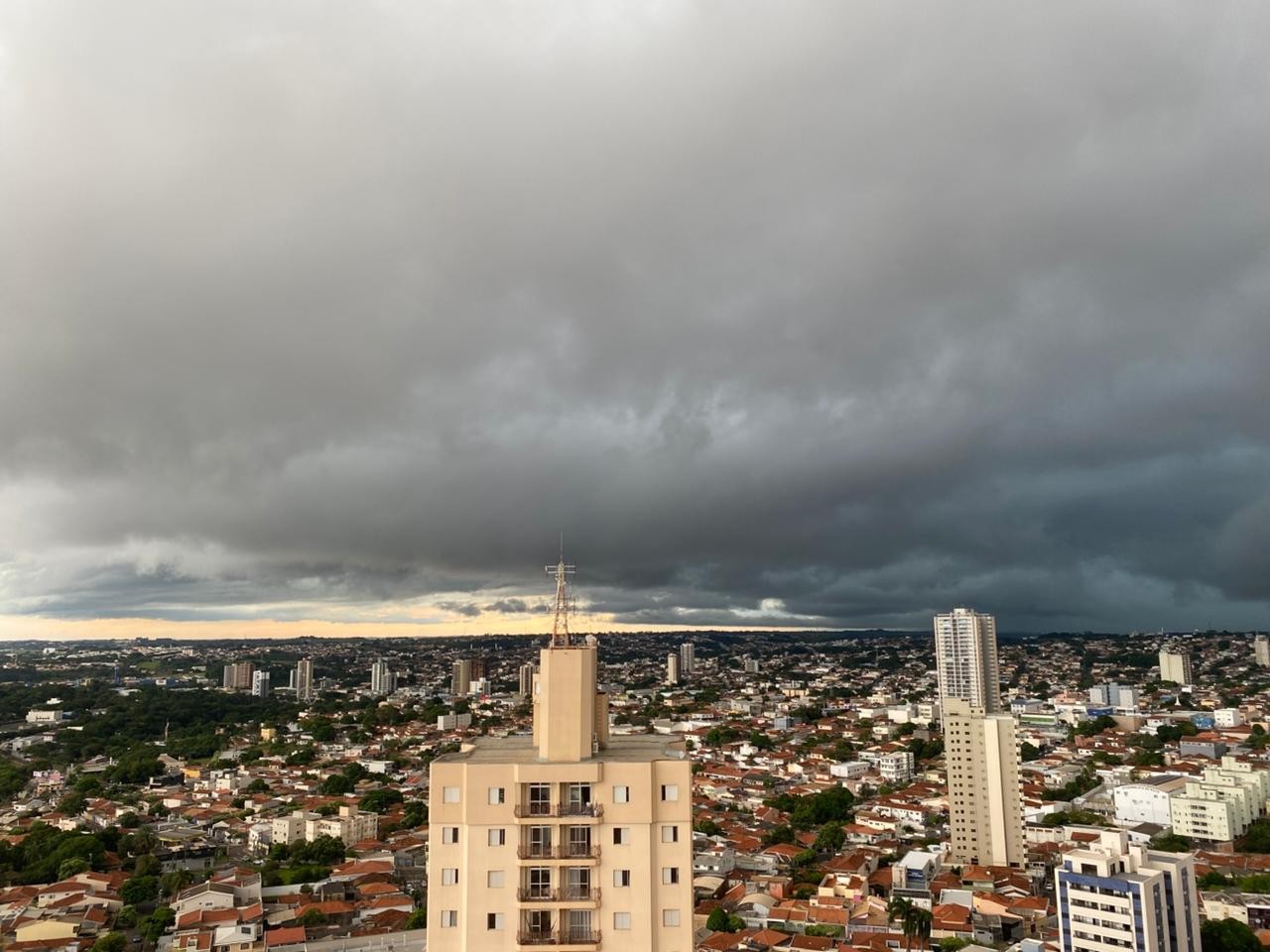
Cities in the central-western, northwestern, and western regions of São Paulo state are under a risk alert for storms on Thursday, May 30th. Municipalities including Bauru, Marília, Presidente Prudente, and Araçatuba could experience rainfall of up to 50 mm, wind gusts reaching 80 km/h, and hail, according to Climatempo. The Meteorological Research Institute (Ipmet) indicated varying probabilities of rain for several cities between 6 AM and 1 PM on Thursday, with Araçatuba, Assis, Presidente Prudente, and São José do Rio Preto having high probabilities, while Bauru, Botucatu, and Marília had low probabilities, and Jaú had none. Although a cold front began moving away from the state, isolated showers are still forecast for the interior, particularly in the western and northwestern areas, with weak to moderate rain detected by Ipmet radars. Meteorologist Zildene Pedrosa noted that instability would decrease throughout the day, allowing sun to return with cloudy skies and light rain expected only in the easternmost regions, accompanied by a slight drop in maximum temperatures. The Civil Defense in Bauru, coordinated by Marcelo Ryal, advised caution due to strong winds and recommended contacting CPFL or firefighters for fallen power lines. Teams from the prefecture, Fire Department, and police were mobilized to mitigate potential damage. In Botucatu, strong winds caused a high-voltage cable to fall onto a car carrying a couple; the woman experienced a mild electric shock but was not seriously injured. Rescue operations were conducted after the power company confirmed the grid was de-energized.
This weather event highlights the vulnerability of urban infrastructure in São Paulo state to extreme weather phenomena, exacerbated by potential climate shifts. The alert system and Civil Defense mobilization demonstrate preparedness, yet the incidents in Botucatu underscore the critical need for robust power grid resilience and rapid response protocols during severe wind events. Future planning should consider the increasing frequency and intensity of such storms, integrating advanced forecasting with infrastructure hardening and public safety communication strategies to minimize damage and ensure citizen well-being in the face of evolving meteorological challenges.
AI-generated to prompt reflection — not editorial opinion, not advice, not a statement of fact. How this works.