Stormy Weather Blamed for Mass Eagle Ray Deaths
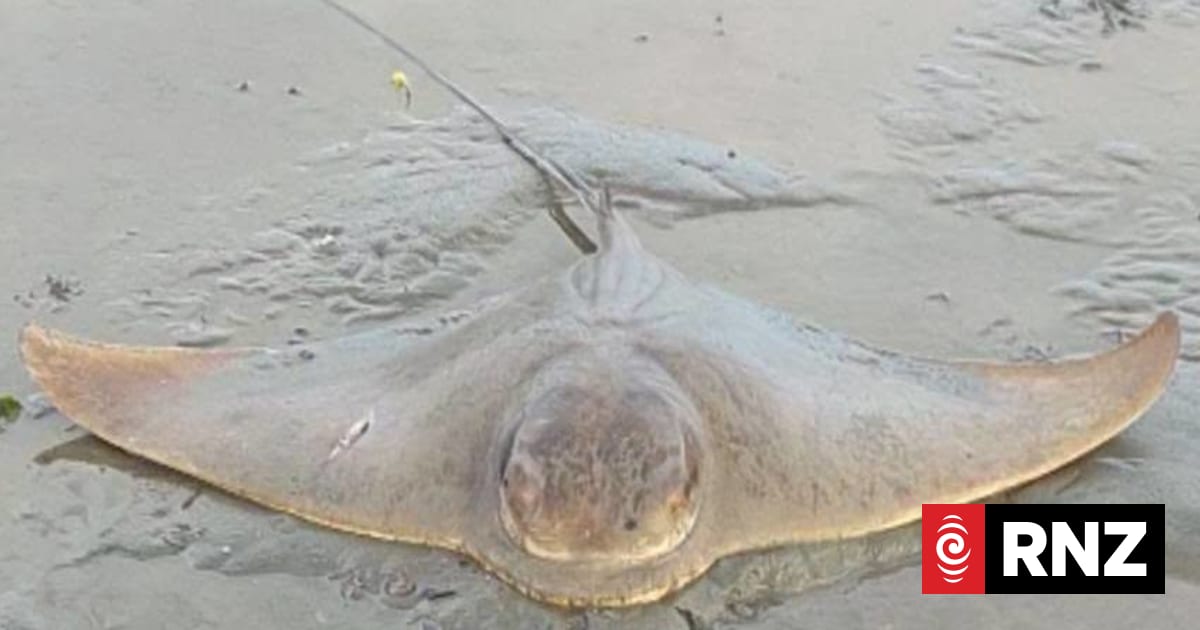
Exotic pests and diseases have been definitively ruled out as the cause behind the mass death of eagle rays. The prevailing theory now points to recent stormy weather as the primary factor responsible for the significant mortality event. Investigations have concluded that the harsh weather conditions, rather than biological threats, led to the demise of these marine creatures. Further details regarding the specific mechanisms by which the storms impacted the eagle rays were not provided in the initial report. The exclusion of pests and diseases suggests a more direct environmental impact. This incident highlights the vulnerability of marine ecosystems to extreme weather phenomena. The exact number of eagle rays affected has not been specified, but the term 'mass death' indicates a substantial loss. The focus has now shifted to understanding the environmental triggers and their consequences for marine populations. This event underscores the need for continued monitoring of marine life in the face of changing climate patterns and increased storm activity.
The mass mortality event among eagle rays, attributed to stormy weather, underscores the significant impact of environmental volatility on marine ecosystems. While the exclusion of exotic pests and diseases simplifies the immediate cause, it highlights the broader vulnerability of aquatic life to climatic shifts and extreme weather patterns. Future ecological assessments should consider the increasing frequency and intensity of such events as a critical factor in species survival and population dynamics. Understanding the specific physiological or behavioral responses of eagle rays to severe storms will be crucial for developing conservation strategies that account for a changing climate and its direct effects on wildlife.
AI-generated to prompt reflection — not editorial opinion, not advice, not a statement of fact. How this works.