Strait of Hormuz: A Vital Oil Chokepoint at the Center of US-Iran Tensions
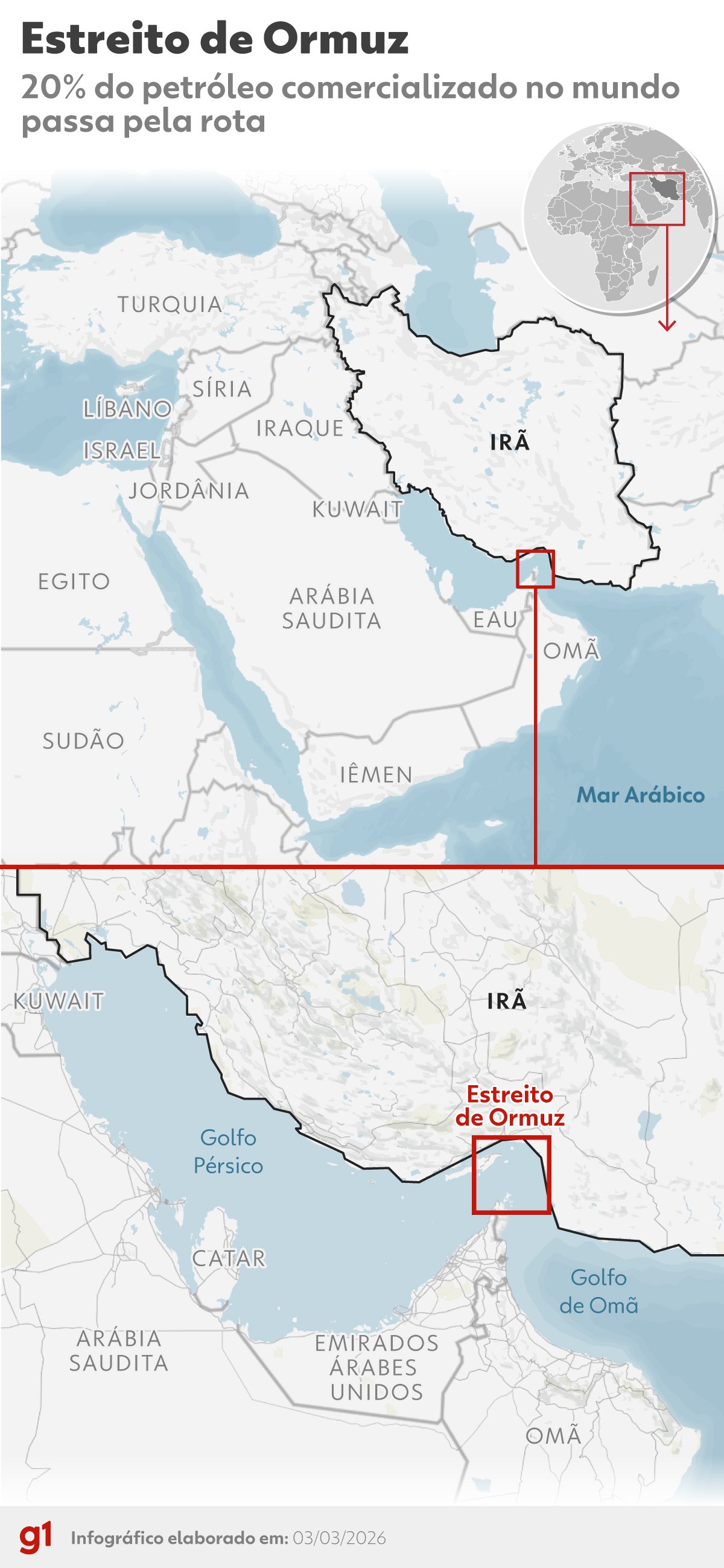
The Strait of Hormuz has become a focal point of escalating conflict between the United States and Iran, following recent US airstrikes on Iranian targets in response to Tehran's attacks on commercial vessels. Iran's threat to close this crucial maritime route, through which approximately 20% of the world's oil passes, has heightened tensions in the Middle East and raised concerns about global oil supply disruptions. This strategic waterway connects the Persian Gulf to the Gulf of Oman and the Arabian Sea. At its narrowest point, the strait is 33 kilometers wide, with navigation channels of only 3 kilometers in each direction. Between early 2022 and May 2025, an estimated 17.8 to 20.8 million barrels per day of crude oil, condensate, or fuel have flowed through the strait daily, according to maritime monitoring platform Vortexa. Major OPEC members like Saudi Arabia, Iran, the UAE, Kuwait, and Iraq export the majority of their oil via this route, primarily to Asia. Qatar, a significant exporter of liquefied natural gas, also ships nearly all its production through the strait. While alternative routes are being explored by countries like the UAE and Saudi Arabia, and existing pipelines offer some bypass capacity (around 2.6 million barrels per day as of June 2024, per the US Energy Information Administration), any closure of the Strait of Hormuz has historically led to significant global oil supply problems and economic impacts.
The Strait of Hormuz's critical role in global energy transport underscores the inherent vulnerabilities of concentrated chokepoints in international trade. The ongoing US-Iran tensions highlight how geopolitical instability in key regions can directly threaten global economic stability through the disruption of essential commodity flows. While alternative infrastructure and diversified supply routes are being developed, their capacity and economic feasibility remain critical factors in mitigating future risks. The situation prompts consideration of long-term strategies to enhance energy security, potentially through increased domestic production, broader diversification of energy sources, and the development of more resilient global supply chain networks, thereby reducing reliance on strategically sensitive maritime passages.
AI-generated to prompt reflection — not editorial opinion, not advice, not a statement of fact. How this works.