Strait of Hormuz Blockade Threatens Global Food Security by Disrupting Fertilizer Supply
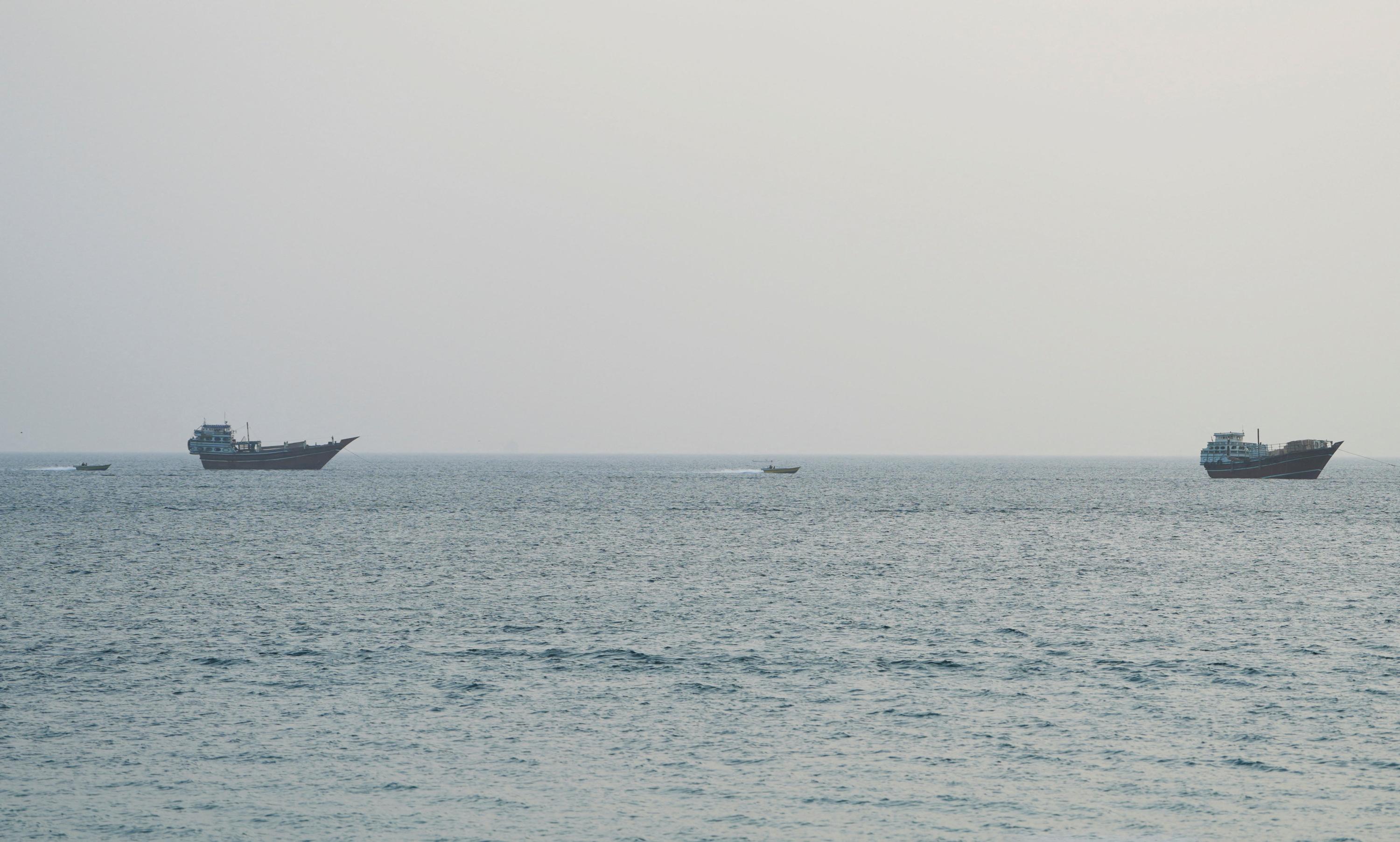
The recent blockade of the Strait of Hormuz has significantly impacted the global fertilizer market, according to Hervé Lejeune, former agricultural advisor to Jacques Chirac. The disruption has removed one-third of the world's fertilizer supply from international trade. This reduction is projected to lead to a substantial increase in fertilizer prices, with an anticipated rise of over 30% expected within the current year. The consequence of this supply shock is a direct threat to global food security, as fertilizers are essential for agricultural productivity. The situation highlights the vulnerability of global food systems to geopolitical events affecting critical supply routes.
The disruption at the Strait of Hormuz underscores the fragility of global supply chains for essential agricultural inputs like fertilizers. Geopolitical events impacting key transit points can have cascading effects on food production worldwide. This situation presents a critical challenge for policymakers and agricultural industries, necessitating a re-evaluation of supply chain resilience and diversification strategies. Over-reliance on single choke points for vital commodities creates inherent systemic risks, particularly in the context of an increasing global population and the growing demands of the AI era on resource management. Future-proofing food security will require proactive measures to mitigate such vulnerabilities and ensure stable access to agricultural resources.
AI-generated to prompt reflection — not editorial opinion, not advice, not a statement of fact. How this works.