Strait of Hormuz Blocked Again; Europe Divided on Eurobonds Amidst Economic Woes
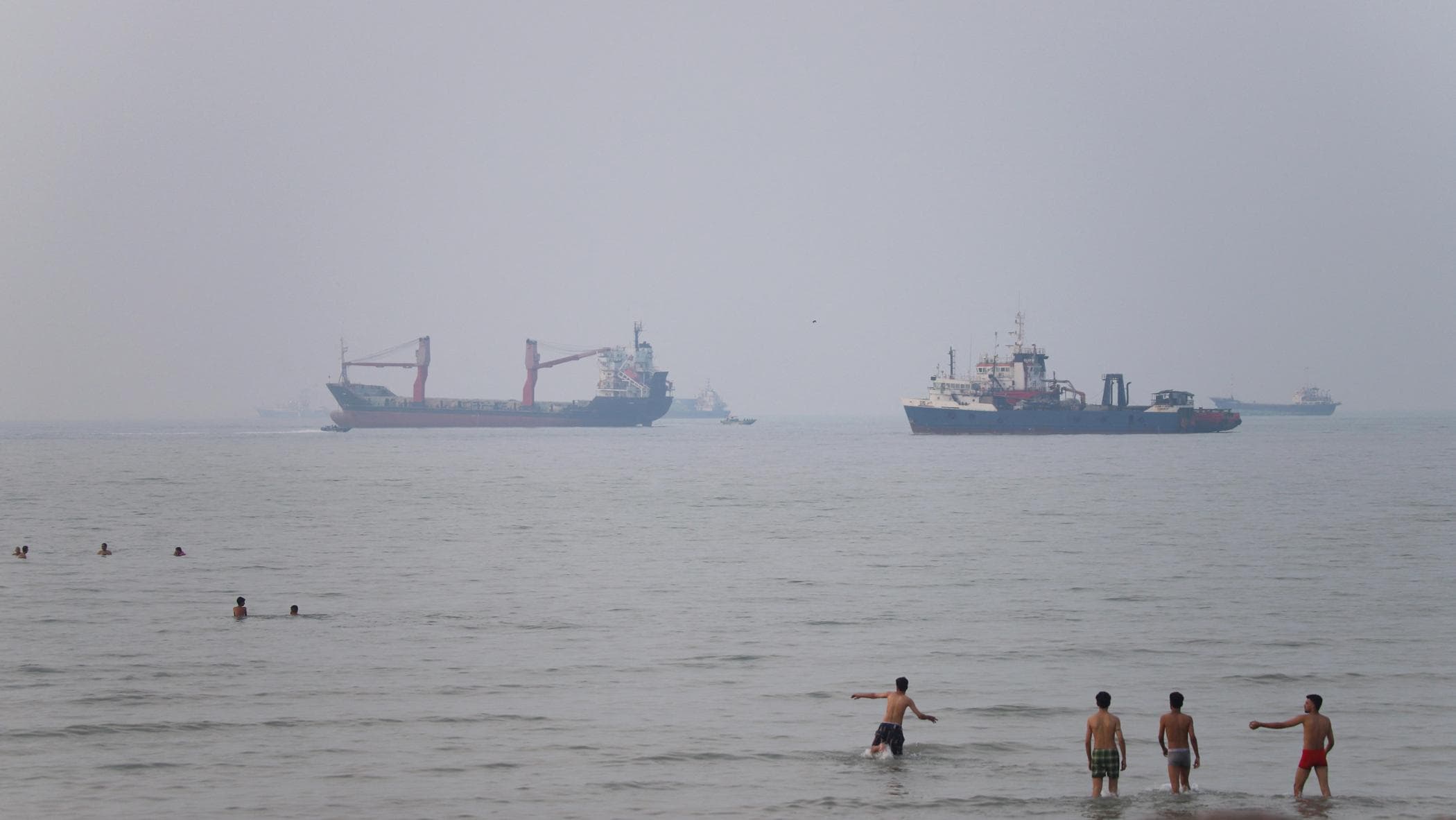
The Strait of Hormuz has been blocked once more, exacerbating an already worsening economic scenario for Europe. During an Eurogroup meeting, the Spanish government proposed the issuance of new common debt totaling 850 billion euros to address the crisis. Italy has expressed agreement with this proposal, signaling a potential shift in fiscal policy. However, the fiscally conservative 'frugal' nations within the EU have strongly opposed the idea, raising significant objections. This division highlights the deep rifts within the European Union regarding how to manage shared economic challenges and the potential for joint financial instruments. The situation in the Strait of Hormuz adds a layer of geopolitical instability, further complicating the economic outlook.
The renewed blockage of the Strait of Hormuz presents a significant geopolitical and economic challenge, potentially disrupting global energy supplies and trade routes. This event occurs as European nations grapple with internal divisions over fiscal policy, specifically regarding the proposal for common debt issuance. The differing stances between Italy and Spain on one side, and the 'frugal' states on the other, reflect a fundamental tension between solidarity and fiscal responsibility within the EU. As the global economy navigates increasing volatility, the ability of the EU to forge a unified response to both external shocks and internal economic disparities will be crucial in determining its long-term stability and influence. The current impasse suggests that future crises may require innovative governance structures to bridge these divides and ensure a cohesive approach to shared economic security.
AI-generated to prompt reflection — not editorial opinion, not advice, not a statement of fact. How this works.