Strait of Hormuz Faces Blockade Amid Iran-US Tensions, Shipping Declines
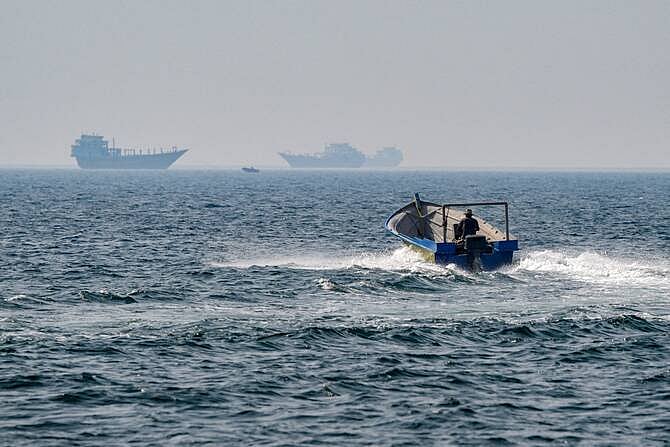
The Strait of Hormuz is experiencing a significant slowdown in shipping traffic, with only five vessels recorded passing through on Wednesday and early Thursday morning. This contrasts sharply with Monday, when 45 ships transited the crucial waterway. Maritime intelligence platform Windward reported these figures, indicating a substantial decrease in vessel movement. The situation arises amid ongoing tensions between Iran and the United States, which appear to be impacting maritime operations in the region. The Strait of Hormuz is a vital chokepoint for global oil supplies, and any disruption can have significant economic repercussions. The reduced traffic suggests a potential impact on global energy markets and supply chains.
The reported decline in shipping through the Strait of Hormuz, a critical global energy chokepoint, highlights the significant impact of geopolitical tensions on international trade infrastructure. The reduced vessel count, as documented by Windward, suggests that commercial actors are responding to perceived risks associated with Iran-US friction. This event underscores the fragility of global supply chains and the economic leverage inherent in controlling strategic maritime passages. Future developments will likely depend on de-escalation efforts and the perceived stability of the region, influencing shipping insurance rates, oil prices, and the strategic calculus of nations reliant on this route.
AI-generated to prompt reflection — not editorial opinion, not advice, not a statement of fact. How this works.