Strait of Hormuz: From Economic Lifeline to Geopolitical Minefield
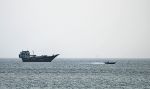
The Strait of Hormuz, a critical chokepoint for global energy trade, has become a source of economic strain due to escalating tensions between the United States and Iran. This strategic waterway is not the only bottleneck in international commerce, but its significance for the global energy supply chain makes it particularly vulnerable. The ongoing dispute is exhausting the global economy and leading to increased transportation costs. The constant friction surrounding the strait impacts shipping routes and the price of oil, creating uncertainty for businesses and consumers worldwide. Efforts to navigate these geopolitical challenges are crucial for maintaining stable energy markets and economic predictability.
The Strait of Hormuz's strategic importance as a global energy transit point highlights the inherent vulnerability of concentrated supply chains to geopolitical friction. The economic consequences of disputes in such chokepoints underscore the need for diversified energy infrastructure and robust diplomatic frameworks to mitigate risks. Future energy security may depend on developing alternative routes and fostering international cooperation to ensure the unimpeded flow of resources, thereby reducing the leverage of any single nation or region over global markets.
AI-generated to prompt reflection — not editorial opinion, not advice, not a statement of fact. How this works.