Strait of Hormuz Loses Significance as Alternative Oil and Gas Routes Emerge
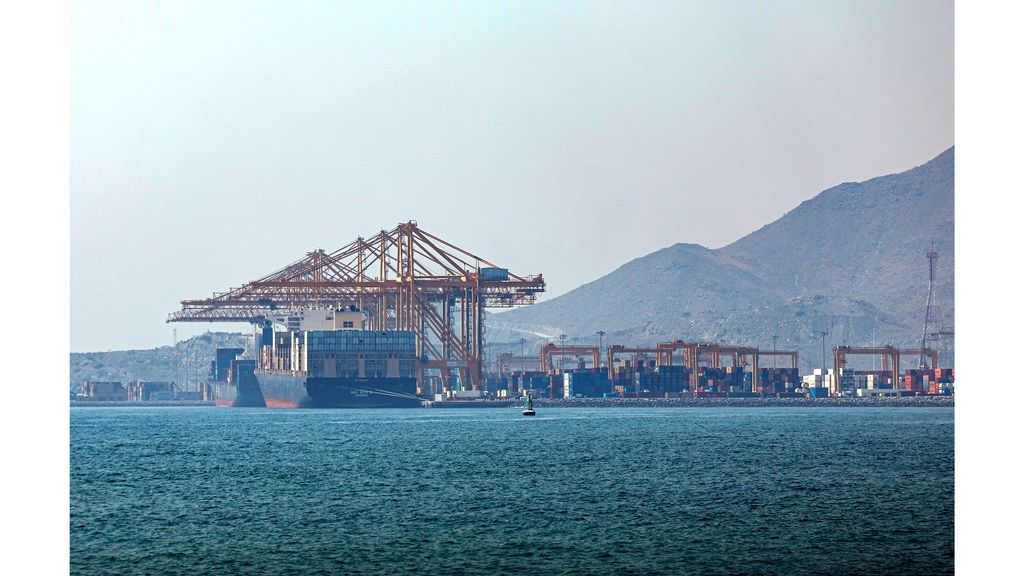
Recent tensions and attacks surrounding the Strait of Hormuz, particularly following U.S. and Israeli actions against Iran in late February, have highlighted the growing importance of alternative shipping routes for oil and gas. Before the recent unrest, the Strait was crucial, handling approximately 20 million barrels of oil daily, representing about 20 percent of global consumption. Fluctuations in oil prices directly reflect the impact of attacks on tankers and other targets in the region. Despite price spikes, both energy companies and Gulf states are increasingly relying on alternative infrastructure. Saudi Arabia's East-West pipeline, connecting the Red Sea to the Persian Gulf, can already transport up to seven million barrels per day, with potential for expansion. The United Arab Emirates is constructing a second pipeline near Fujairah, expected to be operational by late 2027, and is expanding its port facilities. Energy expert Lucia van Geuns notes that while expansions can be rapid, entirely new projects take years, aligning with Goldman Sachs research indicating Middle Eastern pipeline projects within a single country average two and a half years to complete. This shift suggests the Strait's long-term importance will diminish, especially as other countries increase oil production and China's demand decreases. Beyond oil and gas, the Strait is vital for container shipping. Casper Roerade of Evofenedex explains that many goods are now offloaded in Jeddah and transported overland to the Persian Gulf. Ports like Khor Fakkan and Fujairah are also handling increased container traffic, with Khor Fakkan offering significant capacity and rail connections, though ships may face waiting times. Sohar Port in Oman, partly owned by the Port of Rotterdam, is also expanding to accommodate more containers. While these alternative routes may add transit time and cost, shipping operations continue, allowing exporters to plan around disruptions.
The evolving geopolitical landscape around the Strait of Hormuz demonstrates how market actors and infrastructure developers adapt to perceived risks, potentially reducing reliance on strategically vital chokepoints. The development of alternative pipelines and overland routes, supported by significant investment and logistical planning, suggests a strategic diversification away from maritime transit vulnerabilities. This trend, driven by both security concerns and economic efficiency, could reshape global energy and trade flows over the next decade. As new infrastructure comes online and production capacities shift, the long-term strategic value of traditional transit routes may be re-evaluated, influencing regional stability and global supply chain resilience.
AI-generated to prompt reflection — not editorial opinion, not advice, not a statement of fact. How this works.