Strait of Hormuz Navigates Energy Crisis Amid Regional Tensions
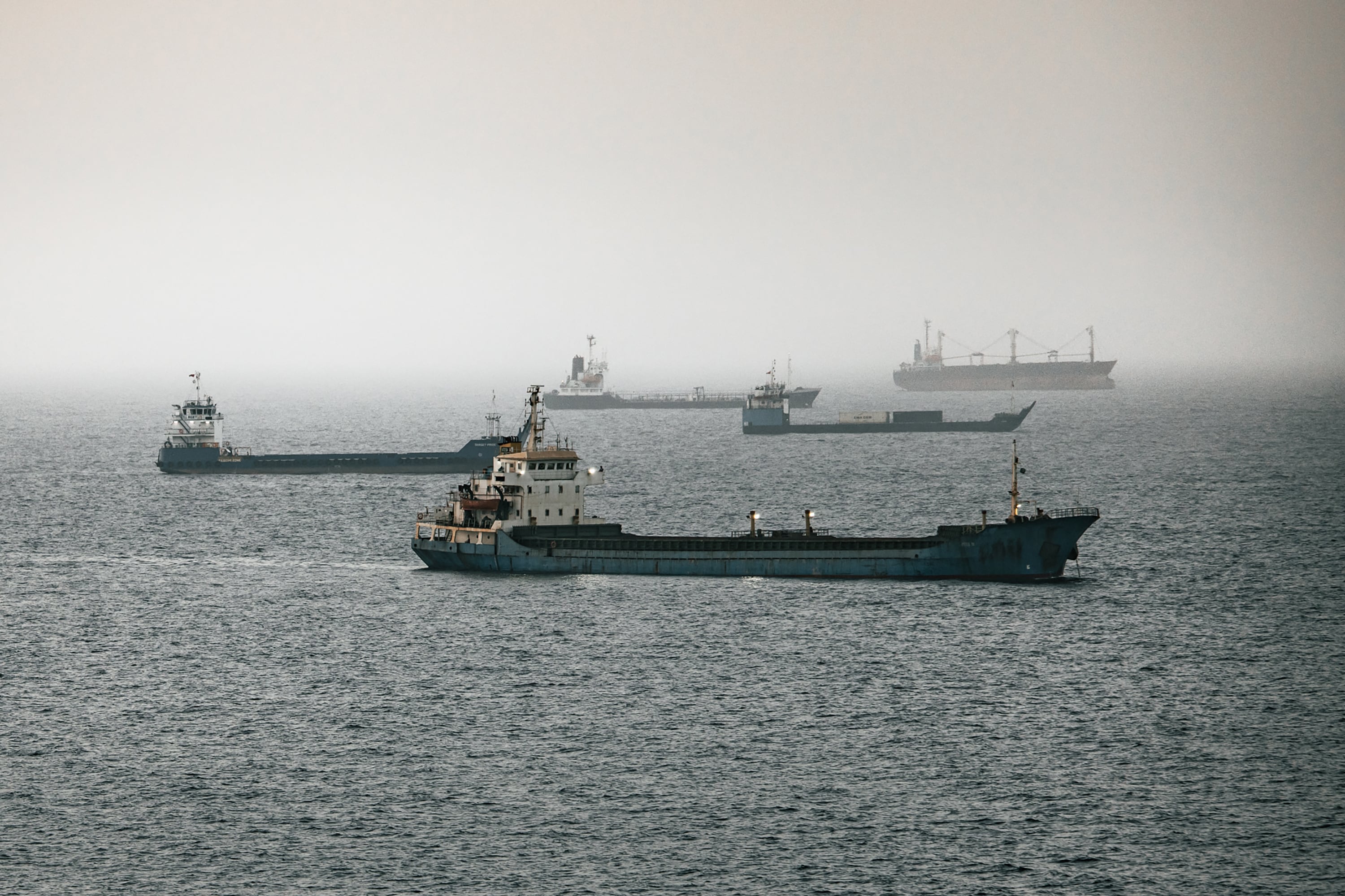
The world has largely avoided a severe energy crisis stemming from tensions in the Strait of Hormuz, despite ongoing geopolitical challenges. While the impact has been less intense than that experienced during the war in Ukraine, the potential for renewed conflict in Iran remains a concern. The strategic waterway, crucial for global oil and gas transportation, has been a focal point for international attention due to its significance for energy markets.
Despite the heightened rhetoric and occasional incidents, global energy supplies have remained relatively stable. This resilience can be attributed to a combination of factors, including diversified supply routes, strategic petroleum reserves, and the adaptability of energy markets. However, the lingering threat of escalation in the region continues to cast a shadow, necessitating continued vigilance from international actors and energy producers. The situation underscores the delicate balance of power and the interconnectedness of global energy security.
The relative stability of global energy markets despite tensions in the Strait of Hormuz suggests a degree of market resilience and perhaps a cautious approach by regional actors to avoid direct confrontation. This situation highlights the complex interplay between geopolitical risk and energy supply, where the threat of disruption can be as impactful as actual supply cuts. Future energy security will likely depend on continued diversification of supply sources and routes, alongside diplomatic efforts to de-escalate regional conflicts. The long-term implications involve assessing how persistent geopolitical friction in critical transit zones influences investment in alternative energy infrastructure and the pace of the global energy transition.
AI-generated to prompt reflection — not editorial opinion, not advice, not a statement of fact. How this works.