Strait of Hormuz: Navigating Blockade and Internal Threats
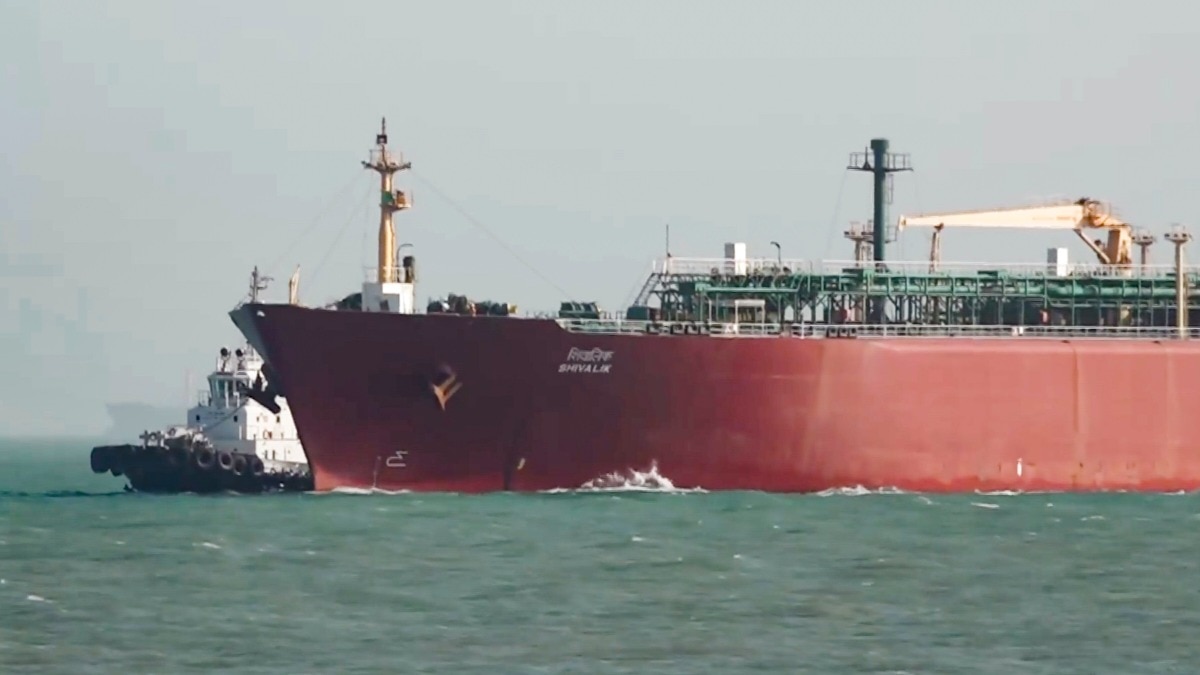
The Strait of Hormuz has become a focal point of strategic maneuvering between the United States and Iran, raising concerns about the passage of vessels. Iran is actively controlling maritime traffic within the strait, effectively dictating which ships can pass. Concurrently, the United States is maintaining a vigilant watch over Iranian ports from the outside, exerting military pressure. This dual pressure creates a complex and potentially dangerous situation for international shipping. The primary question arising from this geopolitical standoff is how ships currently navigating these waters will be able to safely exit the strait. The current environment presents significant challenges for maritime operations, with both internal Iranian controls and external U.S. military oversight creating a precarious situation.
The strategic positioning of naval forces and control mechanisms around the Strait of Hormuz highlights the intricate interplay of statecraft and international trade. Iran's internal controls and the U.S.'s external pressure create a complex risk environment for global commerce, potentially impacting supply chains and energy markets. This situation underscores the vulnerability of critical maritime chokepoints to geopolitical tensions. Future navigation and trade through such straits will likely necessitate robust diplomatic frameworks and de-escalation protocols to mitigate the systemic risks posed by unilateral actions and counter-actions. The long-term implications involve the potential for increased shipping costs and the exploration of alternative trade routes.
AI-generated to prompt reflection — not editorial opinion, not advice, not a statement of fact. How this works.