Strait of Hormuz Security Framework Crucial for Lasting US-Iran Peace
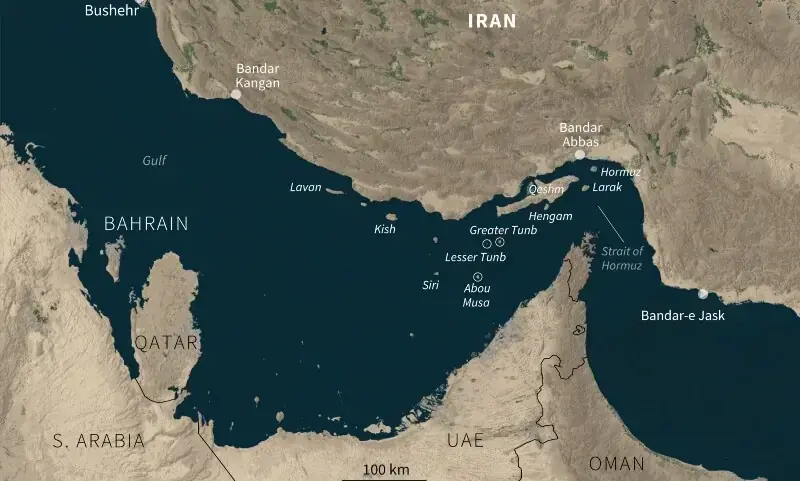
Pakistan's recent diplomatic efforts to foster peace between the United States and Iran should be evaluated by their strategic achievements rather than immediate agreements. These efforts successfully created diplomatic space, reducing regional escalation risks and enabling direct, high-level engagement between Washington and Tehran after nearly five decades. Crucially, these discussions highlighted the Strait of Hormuz as the central obstacle to lasting peace, overshadowing the more frequently discussed nuclear program. The Strait is a vital geopolitical chokepoint, essential for global energy markets, with nearly one-fifth of the world's oil and significant LNG exports passing through it. For the U.S., ensuring uninterrupted freedom of navigation is paramount, viewing Hormuz as a global maritime common vital for international trade and economic stability. Simultaneously, Washington must address the security concerns of its Gulf partners, who fear Iranian dominance over the Strait.
Iran, however, perceives Hormuz as its most significant conventional strategic deterrent, leveraging its geography to compensate for military limitations and project influence. This fundamental divergence—the U.S. desire for unrestricted navigation versus Iran's assertion of strategic leverage—creates a core contradiction that must be resolved for any diplomatic breakthrough to be durable. While the nuclear issue relates to national prestige and sanctions relief, Hormuz directly impacts strategic influence, deterrence, and global economic power. Consequently, resolving maritime security issues has proven more challenging than nuclear verification or sanctions discussions. The future security architecture of Hormuz is presented as the ultimate bargaining chip for a comprehensive U.S.-Iran settlement, with its unresolved status potentially postponing future crises. Regional mediators continue to facilitate communication, recognizing that diplomacy often persists alongside military pressure, and that a lasting agreement necessitates a mutually acceptable maritime security framework that balances international navigation with Iran's strategic interests.
The analysis posits that the Strait of Hormuz, rather than Iran's nuclear program, represents the core strategic issue in U.S.-Iran relations. This perspective reframes the conflict from a technical compliance dispute to a fundamental disagreement over geopolitical influence and security architecture in a critical global energy corridor. The U.S. objective of maintaining freedom of navigation as a global commons clashes with Iran's strategic imperative to leverage its geography for deterrence and influence. This systemic contradiction, driven by competing national interests and perceptions of security, suggests that any resolution focused solely on nuclear issues or sanctions will be inherently fragile. Future diplomatic efforts must therefore prioritize establishing a mutually acceptable framework for maritime security in the Strait, acknowledging that control over this chokepoint is intrinsically linked to regional stability and global energy markets. The challenge lies in designing a governance structure that can accommodate both international trade imperatives and Iran's strategic deterrent requirements, a complex task given the deep-seated mistrust and divergent strategic visions.
AI-generated to prompt reflection — not editorial opinion, not advice, not a statement of fact. How this works.