Strait of Hormuz Shipping Nearly Paralyzed, Bloomberg Reports
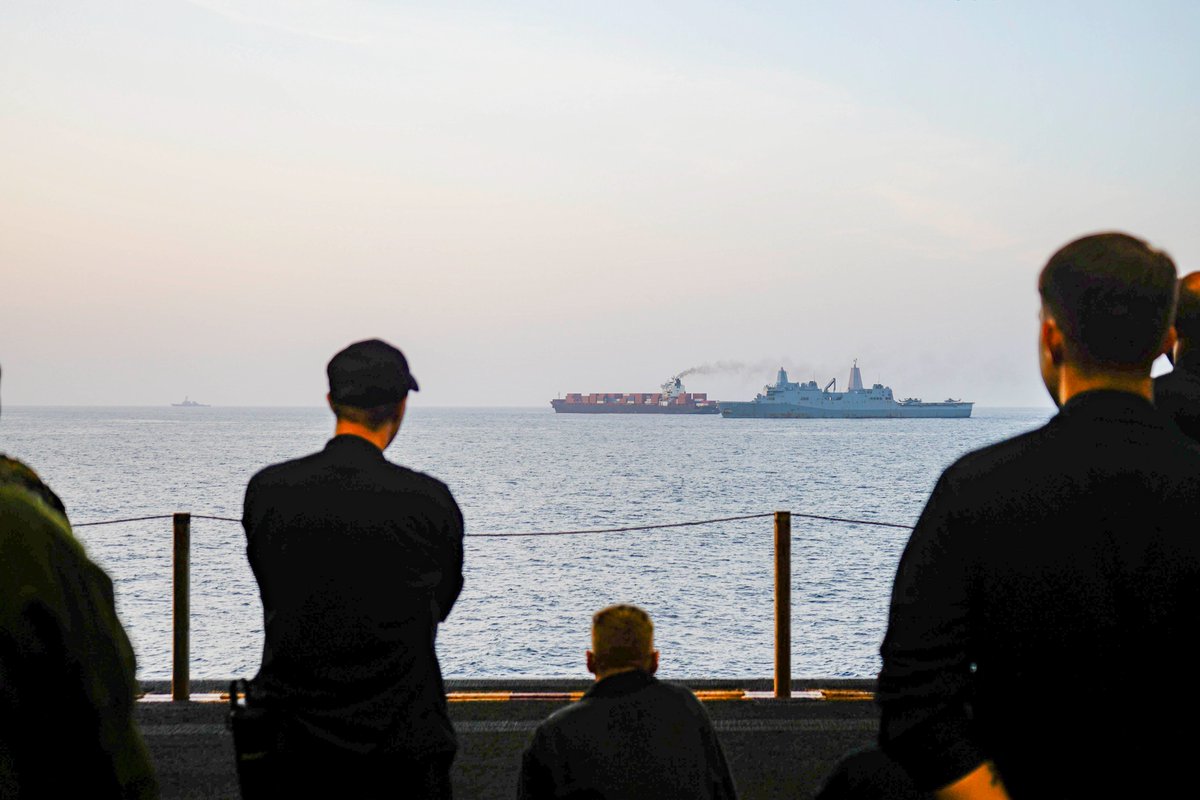
Shipping traffic in the Strait of Hormuz has been brought to a near standstill, according to a report by Bloomberg. The vital waterway, which serves as a crucial chokepoint for global oil transport, has experienced significant disruptions. Details regarding the specific causes or the duration of this paralysis were not provided in the initial report. However, the implications for global energy markets are potentially severe given the strait's strategic importance. The Strait of Hormuz is the only sea passage from the Persian Gulf to the open ocean. Approximately 20% of the world's total oil consumption passes through the Strait of Hormuz daily. Any interruption to this flow can lead to significant fluctuations in oil prices and supply chain instability worldwide. The situation highlights the vulnerability of global trade routes to geopolitical tensions and other unforeseen events.
The near paralysis of shipping in the Strait of Hormuz, as reported by Bloomberg, underscores the inherent fragility of critical global chokepoints. Such disruptions, regardless of their immediate cause, expose the systemic risks embedded in concentrated supply chains, particularly for energy commodities. The economic impact reverberates globally, influencing price volatility and potentially triggering broader market instability. This event serves as a stark reminder of the need for enhanced geopolitical risk assessment and the exploration of diversified transportation and energy sourcing strategies to mitigate future vulnerabilities. Over the next decade, the increasing reliance on globalized trade, coupled with evolving geopolitical landscapes, will necessitate more resilient infrastructure and contingency planning to safeguard essential resource flows.
AI-generated to prompt reflection — not editorial opinion, not advice, not a statement of fact. How this works.