Strait of Hormuz Shipping Traffic Dips Amid Recent Attacks
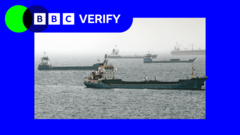
Data indicates a significant decrease in the number of vessels transiting the Strait of Hormuz following recent attacks in the region. This critical waterway is a key route for the global transport of oil and gas. The reduction in shipping traffic raises concerns about potential disruptions to energy supplies. While the specific nature and perpetrators of the recent attacks are not detailed, their impact on maritime operations is evident. The Strait of Hormuz is a vital chokepoint for global energy markets, and any instability there can have far-reaching economic consequences. The decline in vessel numbers suggests heightened risk perception among shipping companies, leading to rerouting or temporary cessation of voyages through the area. Authorities are likely monitoring the situation closely to ensure the safety of navigation and the stability of energy flows.
The observed decline in shipping traffic through the Strait of Hormuz following recent attacks highlights the sensitivity of global energy supply chains to geopolitical instability. Increased transit risks, whether from direct attacks or heightened security measures, can significantly alter operational costs and logistical planning for maritime carriers. This situation underscores the persistent challenge of securing vital international trade routes against asymmetric threats. Over the next decade, as global energy demand evolves and maritime technology advances, the resilience of such chokepoints will remain a critical factor in maintaining economic stability, necessitating robust international cooperation and innovative security solutions.
AI-generated to prompt reflection — not editorial opinion, not advice, not a statement of fact. How this works.