Strait of Hormuz Tanker Traffic Hits Two-Month Low
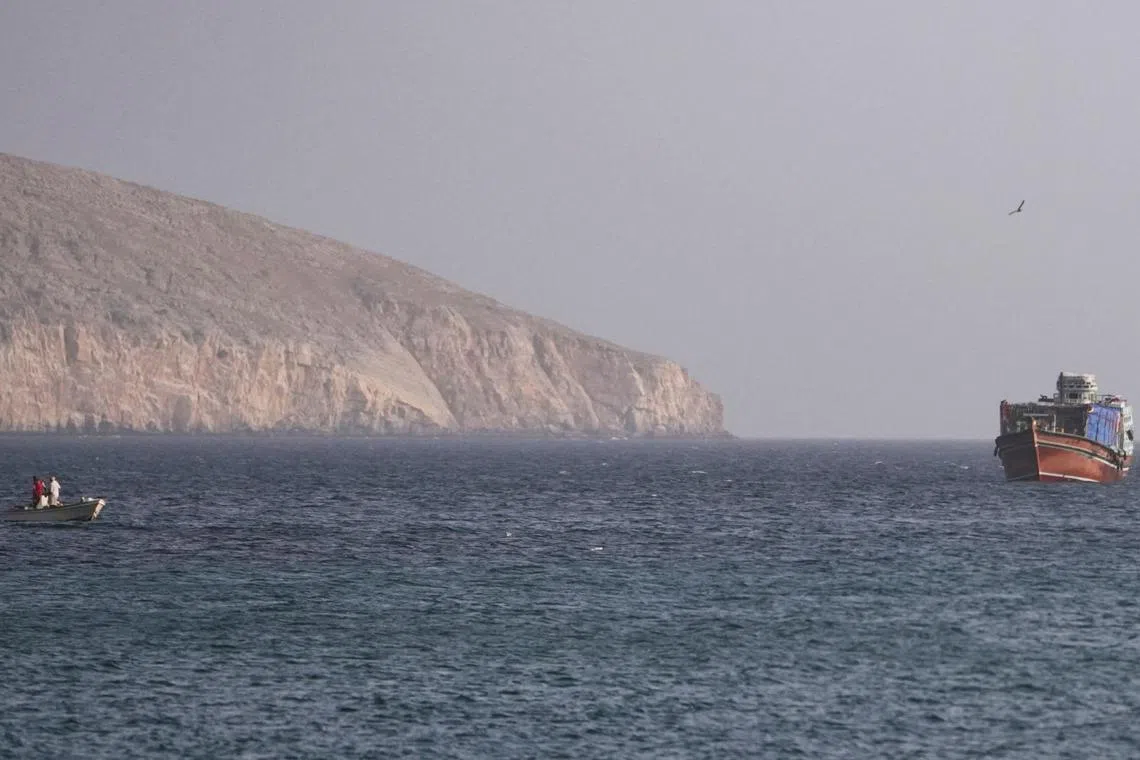
Data indicates that tanker crossings through the Strait of Hormuz have fallen to their lowest point in over two months. Specifically, no ships were recorded entering the vital waterway on July 23. This decline in traffic suggests a potential shift in oil and gas transport dynamics or other maritime activities in the region. The Strait of Hormuz is a critical chokepoint for global energy supplies, making any significant fluctuation in its traffic noteworthy. The reasons for this dip are not detailed in the provided information, but it could be influenced by geopolitical factors, seasonal changes in demand, or operational adjustments by shipping companies. Further monitoring will be necessary to determine if this trend is temporary or indicative of a more sustained change in maritime traffic patterns through this strategic passage.
The observed reduction in tanker traffic through the Strait of Hormuz, reaching a two-month low with zero crossings on July 23, warrants attention given the strait's critical role in global energy markets. While the immediate cause is unspecified, such fluctuations can be influenced by a complex interplay of geopolitical tensions, sanctions regimes, seasonal demand shifts, or proactive adjustments by major energy producers and shipping conglomerates to mitigate risks or optimize logistics. Analyzing these patterns over time can reveal underlying economic strategies and risk management approaches adopted by key actors in the energy sector. Future trends will likely be shaped by evolving international relations, the pace of energy transition, and the development of alternative shipping routes or energy sources.
AI-generated to prompt reflection — not editorial opinion, not advice, not a statement of fact. How this works.