Strait of Hormuz Tensions Create Volatile Oil Market, Challenging Trump
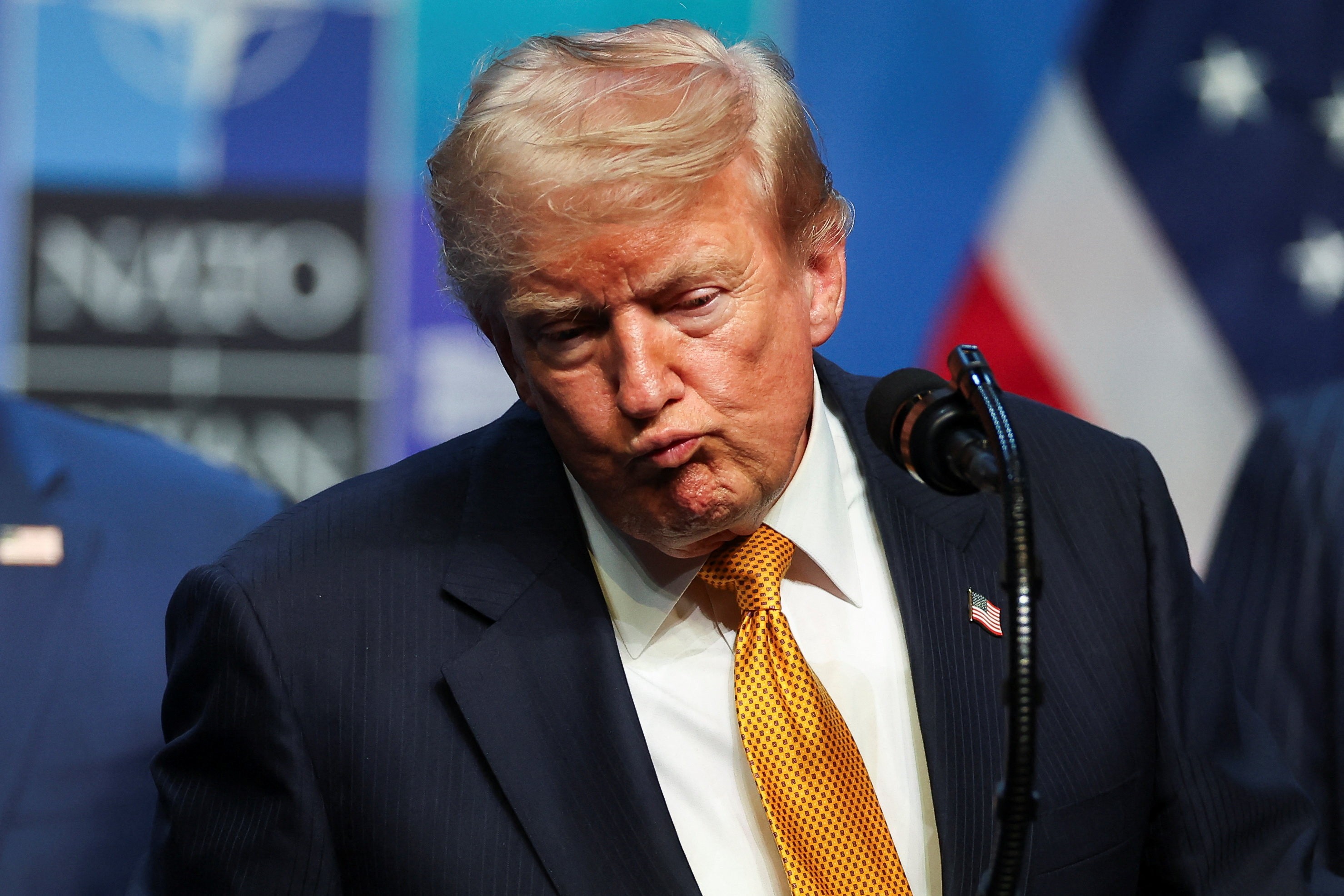
The "new normal" in the Strait of Hormuz, a critical global energy chokepoint, is characterized by heightened volatility and uncertainty in the oil market, even without a complete blockade. Military threats and geopolitical disputes are now directly influencing oil prices, transportation, and global supply chains. This situation has become a significant leverage tool for Iran in its conflict with the United States, posing an economic challenge for President Donald Trump ahead of the November midterm elections. Recent escalations between the U.S. and Iran have reignited concerns over shipping safety, leading to sharp price fluctuations. For instance, Brent crude oil prices surged over 9% to $83.04 per barrel after Trump announced U.S. intentions to control the Strait and impose a 20% tariff on cargo passing through it. Approximately 20% of the world's oil consumption transits this vital waterway, connecting the Persian Gulf to the Gulf of Oman. Experts note that the market's reaction is preemptive, with shippers, insurers, and refiners adjusting costs due to the perceived risk, creating a "whip effect" even before actual supply disruptions occur. This geopolitical risk is now an integrated component of daily shipping and insurance expenses. The Strait of Hormuz has become a primary benchmark for short-to-medium term oil pricing, with conflicts in regions like the Middle East and Russia increasingly linking energy security, food security, and inflation. The ongoing dispute over control of the Strait is expected to prolong periods of tension. For Trump, oil price volatility complicates his economic agenda, as rising fuel costs in the U.S. can impact consumer spending and inflation. Iran's strategy appears to leverage this vulnerability, understanding that higher oil and fuel prices in the U.S. could affect voter sentiment. While national average gasoline prices have risen, they remain below previous peaks. The White House is concerned about this trend influencing the upcoming midterm elections, where Republicans currently hold majorities in both the House and Senate. Analysts predict oil prices will likely stay below $90 per barrel until the elections to mitigate political fallout for Trump. The market is expected to adapt by diversifying suppliers and seeking more flexible contracts to navigate the instability around the Strait of Hormuz.
The geopolitical tensions surrounding the Strait of Hormuz are demonstrating how critical infrastructure chokepoints can introduce significant price volatility into global energy markets. The "new normal" described reflects a market increasingly sensitive to perceived risks, where the mere threat of disruption, rather than actual supply interruption, can drive price fluctuations. This dynamic highlights the challenge for policymakers in managing energy prices, as geopolitical maneuvering by state actors can directly impact domestic economic conditions and electoral outcomes. The situation underscores the systemic interconnectedness of global energy supply, international relations, and domestic economic stability, particularly in an era where energy costs are closely tied to inflation and consumer sentiment. Future market resilience will likely depend on strategies that diversify supply routes and mitigate exposure to single points of failure, while diplomatic efforts will be crucial to de-escalate tensions and foster more predictable energy flows.
AI-generated to prompt reflection — not editorial opinion, not advice, not a statement of fact. How this works.