Strait of Hormuz Tensions Escalate Amid US-Iran Confrontation
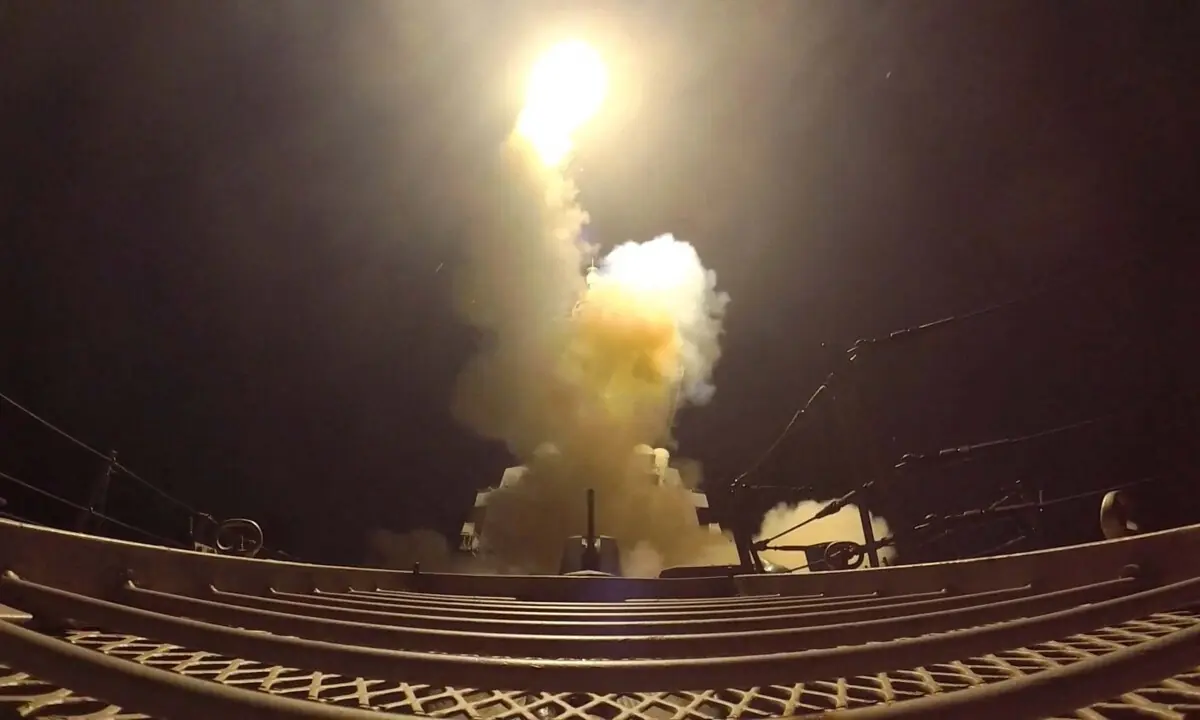
The strategically vital Strait of Hormuz is the focal point of an escalating confrontation between the United States and Iran, with both nations seeking to control the crucial international waterway essential for global trade, particularly hydrocarbon transport. Tensions significantly heightened last week when Iran reportedly attacked ships using an "unauthorized" route, leading to retaliatory strikes. The US has targeted Iranian facilities near the coast, while Iran has responded by attacking US bases and infrastructure across several Middle Eastern countries, including Jordan and GCC states. President Donald Trump declared the US would be the "guardian of the Hormuz Strait" and resume blockades, while Iran has stated the strait is closed. This brinksmanship raises serious concerns about peace in the Gulf, with a return to full-scale war appearing inevitable if current hostilities continue. The article suggests the crisis stems from "unprovoked US-Israeli aggression," including alleged assassinations of top Iranian civilian leaders like Ayatollah Ali Khamenei and Ali Larijani. The author posits that these actions may have eliminated chances for compromise, empowering hard-line factions within Iran, particularly the Pasdaran. While the late Khamenei and Larijani are described as maintaining a cautious foreign policy, current figures around the supreme leader, especially IRGC commanders, reportedly favor an "eye for an eye" approach over diplomacy, evidenced by counterattacks on US allies. To preserve peace, Iran's political class is urged to regain control of the narrative and adopt flexibility regarding the Hormuz issue, balancing national interests with those of littoral states and the international community. The US is called upon to cease attacks if the "Islamabad MoU" is to be saved, and regional countries are advised to inform the US that further escalation risks a destructive new phase of war in the Middle East. The article was published in Dawn on July 14th, 2026.
The escalating conflict in the Strait of Hormuz highlights the complex interplay of geopolitical control over critical trade routes and the potential for miscalculation to trigger wider hostilities. The narrative presented suggests that actions perceived as provocations by one party can lead to a cycle of retaliation, potentially empowering more hard-line elements within a state's political structure. This dynamic raises questions about the long-term efficacy of coercive diplomatic strategies versus engagement, particularly in volatile regions. Looking ahead, the increasing reliance on global energy markets and the strategic importance of maritime chokepoints like Hormuz underscore the persistent risk of conflict. Future resolutions may depend on establishing robust de-escalation mechanisms and fostering regional dialogue that balances national security imperatives with international economic stability, rather than relying solely on unilateral actions or retaliatory responses.
AI-generated to prompt reflection — not editorial opinion, not advice, not a statement of fact. How this works.