Strait of Hormuz Tensions Halt LNG Supply to Pakistan for Three Weeks
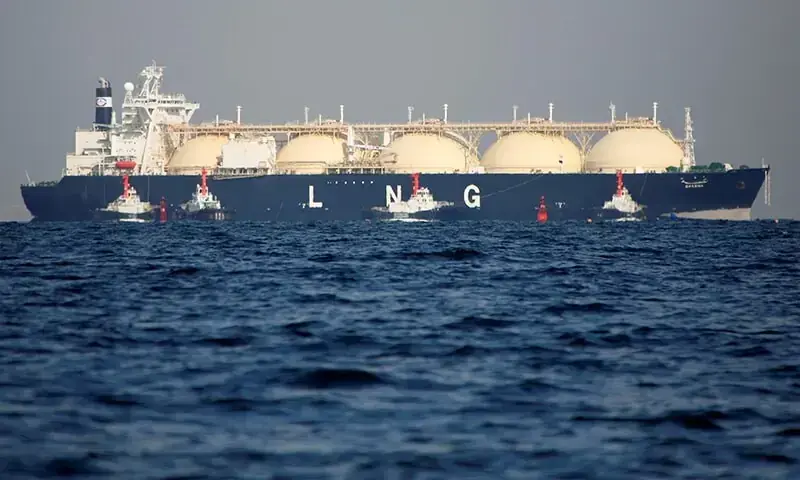
Sui Northern Gas Pipelines Ltd (SNGPL) has declared force majeure, a legal clause excusing contractual liability, impacting regasified liquefied natural gas (RLNG) supply for three weeks. This disruption stems from renewed tensions in the Strait of Hormuz, a critical shipping route. The inability to supply RLNG is expected to significantly affect over 5,000MW of RLNG-based power plants in Punjab, potentially leading to increased power outages. It may also curtail power transmission from Sindh to northern load centers. Officials suggest that while rationing existing imported LNG cargoes could offer some relief, the government might need to increase reliance on the more expensive spot market for supply.
SNGPL communicated this force majeure to four RLNG power plants in Punjab, citing Pakistan State Oil (PSO) as the source of the information. PSO indicated that the ongoing conflict in the Gulf region continues to prevent its supplier, Qatar Energy, from fulfilling its contractual obligations under LNG Sale and Purchase Agreements (SPAs). Qatar Energy has cited elevated security threats and the need to ensure employee safety and operational capacity as reasons for its inability to guarantee safe transit through the Strait of Hormuz. Consequently, Qatar Energy is unable to deliver scheduled cargoes between July 14 and August 3, and future deliveries under the Annual Development Plan 2026 are also uncertain, requiring a revised plan.
This disruption, beyond SNGPL's control, materially affects its ability to supply RLNG to power plants and adhere to gas specifications as per the Gas Supply Agreement (GSA) signed on October 29, 2016. SNGPL is monitoring the situation with PSO to manage the impact on RLNG supplies and operational consequences. The situation remains highly uncertain, with potential implications including power shortages and loadshedding in Upper Punjab and Northern Areas. The Independent System & Market Operators might be forced to use expensive diesel fuel for power generation, leading to higher costs for consumers through either increased outages or future price hikes. The disruption is expected to last until August 3.
Geopolitical instability in the Strait of Hormuz has triggered a force majeure event, disrupting Pakistan's RLNG supply and exposing vulnerabilities in its energy security framework. The reliance on a single, volatile transit route for a significant portion of its energy imports highlights systemic risks. While the immediate impact is felt through potential power shortages and increased costs, the longer-term implications involve reassessing supply chain resilience and potentially diversifying energy sources or transit options. The decision to potentially rely on the spot market, while a short-term solution, carries the inherent risk of price volatility and further financial strain, underscoring the need for strategic energy planning that accounts for geopolitical externalities and prioritizes stable, cost-effective energy access for consumers.
AI-generated to prompt reflection — not editorial opinion, not advice, not a statement of fact. How this works.