Strait of Hormuz Traffic Declines Amid US-Iran Tensions
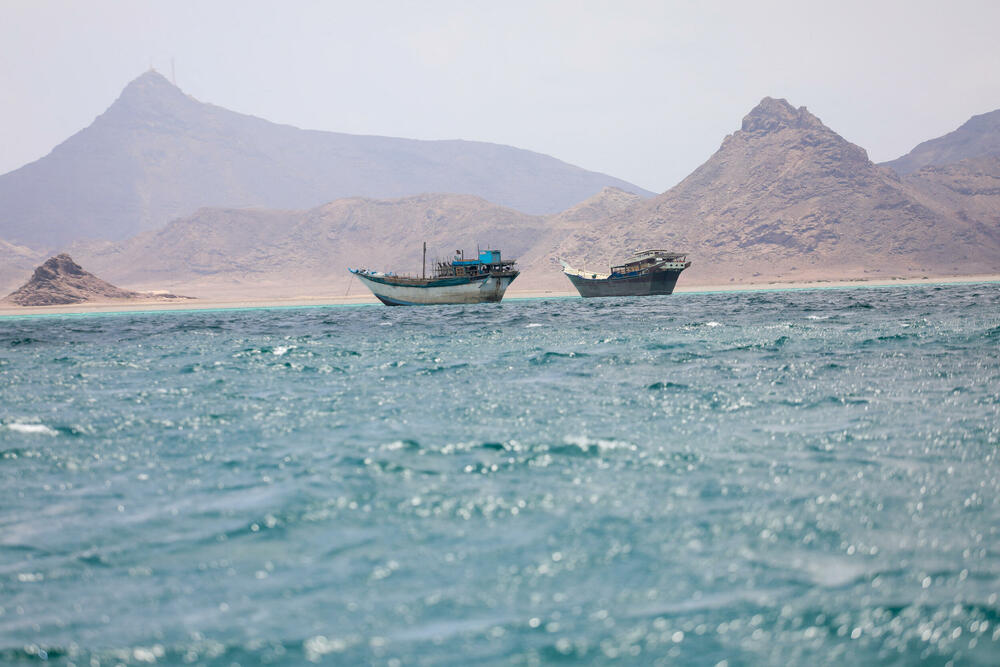
Naval operations have led to a significant reduction in shipping traffic through the Strait of Hormuz, following Iran's announcement late Saturday that it had closed the vital waterway. This closure is impacting global energy supplies, as the strait previously facilitated approximately one-fifth of the world's oil and gas shipments before the escalation of conflicts. The intensified confrontations between the United States and Iran are directly contributing to the disruption of this critical maritime route. Vessels are currently being prevented from transiting the strait due to ongoing military activities. The situation highlights the strategic importance of the Strait of Hormuz and its vulnerability to geopolitical instability. The disruption poses a risk to global energy markets and supply chains. The full extent of the impact on international trade and energy prices remains to be seen. Authorities are monitoring the situation closely.
The disruption of the Strait of Hormuz, a critical chokepoint for global energy, underscores the profound impact of geopolitical tensions on international trade and supply chains. The military operations, whether defensive or offensive, create significant uncertainty and increase operational costs for shipping companies, potentially leading to higher energy prices for consumers worldwide. This event illustrates the inherent fragility of globalized systems reliant on specific maritime routes and the leverage that regional powers can exert through control or disruption of such passages. Looking ahead, the increasing reliance on AI and automation in logistics may offer some resilience, but the fundamental vulnerability to state-level conflict remains a persistent risk. Diversification of energy sources and alternative shipping routes, though costly, may become increasingly attractive strategies to mitigate future disruptions.
AI-generated to prompt reflection — not editorial opinion, not advice, not a statement of fact. How this works.