Strait of Hormuz Water War: Iran-US-Israel Tensions Disrupt Global Supplies
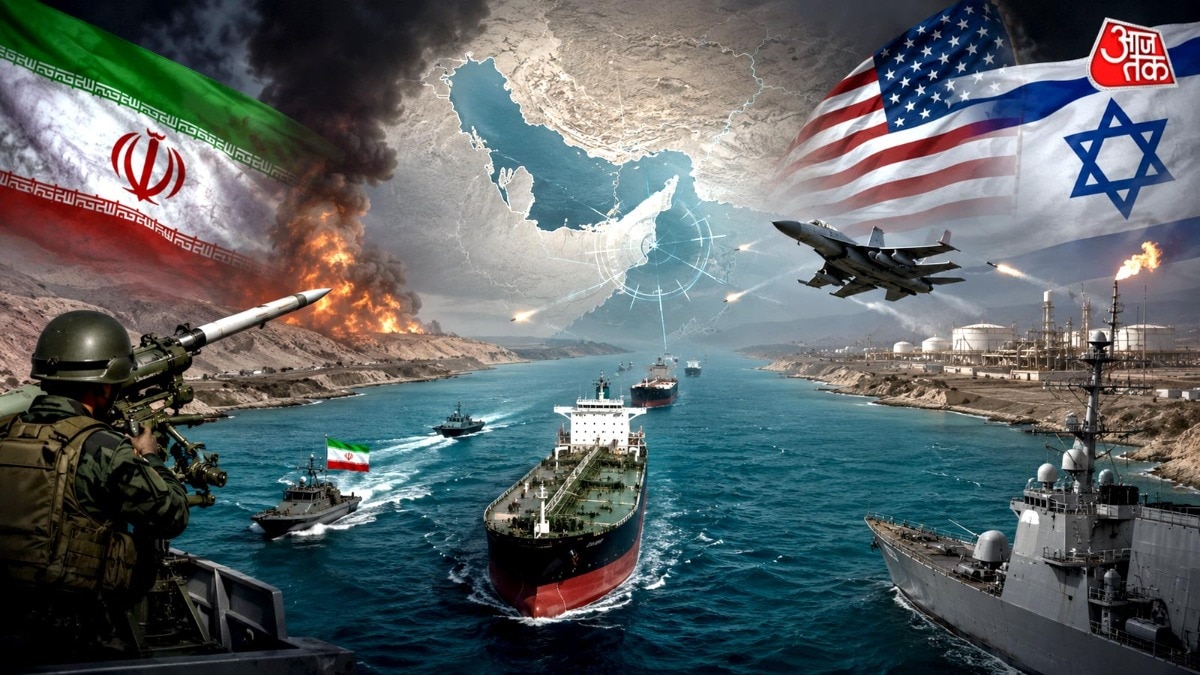
A "water war" is currently unfolding in the Strait of Hormuz, a critical chokepoint for global trade. The conflict involves Iran, the United States, and Israel, with Iran having attempted to block this vital waterway. These actions have led to disruptions in the worldwide supply of oil, gas, and fertilizers. The strategic importance of the Strait of Hormuz cannot be overstated, as it serves as a crucial transit route for a significant portion of the world's energy resources. Any interruption to its flow has immediate and far-reaching consequences for international markets and economies. The ongoing tensions highlight the delicate geopolitical balance in the region and the potential for localized conflicts to have global repercussions. The international community is closely monitoring the situation, concerned about the stability of energy markets and the broader implications for global security. The efforts by Iran to impede passage through the Strait underscore the weaponization of strategic waterways in geopolitical disputes. This situation poses a significant challenge to global energy security and economic stability.
The described events in the Strait of Hormuz illustrate the potent leverage that control over strategic maritime chokepoints provides in international relations. Iran's actions, aimed at disrupting global energy and fertilizer supplies, represent a high-stakes geopolitical maneuver. Such tactics, while potentially effective in garnering attention and concessions, carry substantial risks of escalating regional tensions and triggering broader international responses. The interconnectedness of global energy markets means that localized disruptions can rapidly cascade into widespread price volatility and supply chain instability, impacting economies far beyond the immediate conflict zone. Future geopolitical strategies will likely continue to explore the weaponization of critical infrastructure, necessitating robust international frameworks for de-escalation and the assurance of unimpeded global commerce.
AI-generated to prompt reflection — not editorial opinion, not advice, not a statement of fact. How this works.