Stranded ships in Strait of Hormuz pose risk of invasive species spread
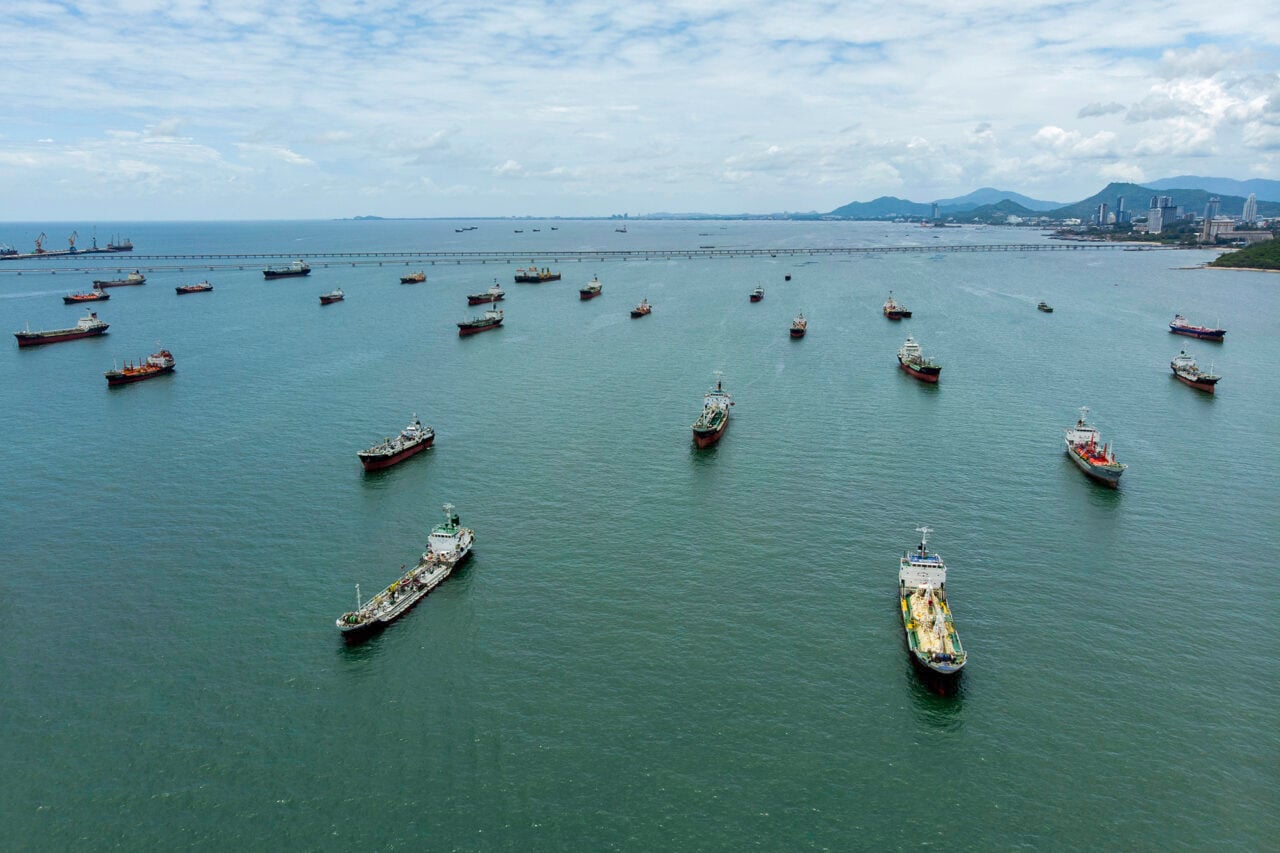
Thousands of ships currently stranded in the Strait of Hormuz are raising concerns among scientists about the potential for spreading invasive species globally. These vessels, some of which have been docked for extended periods, can act as vectors for non-native organisms. Barnacles, algae, and other marine life can attach themselves to the hulls of ships, a phenomenon known as biofouling. When these ships move to new locations, either through relocation or by being scrapped, the attached species can be introduced into new marine environments. Scientists are particularly worried about the scale of the problem given the number of vessels involved and the strategic importance of the Strait of Hormuz as a global shipping chokepoint. The introduction of invasive species can have devastating ecological and economic consequences, disrupting local ecosystems and impacting fisheries and aquaculture. The current situation highlights a significant biosecurity risk that requires careful monitoring and management to prevent widespread ecological damage.
The concentration of stranded vessels in a critical maritime chokepoint like the Strait of Hormuz presents a complex challenge intersecting global trade, environmental biosecurity, and geopolitical stability. The potential for biofouling to facilitate the spread of invasive species underscores systemic vulnerabilities in maritime logistics and environmental oversight. As global shipping intensifies, the long-term implications of such bio-invasions could significantly alter marine biodiversity and impact coastal economies. This situation prompts a re-evaluation of international protocols for vessel management, particularly during periods of prolonged inactivity or transit disruption, to mitigate ecological risks and ensure the resilience of marine ecosystems against future threats.
AI-generated to prompt reflection — not editorial opinion, not advice, not a statement of fact. How this works.