Strategic Soil Management Practices Cut Erosion by Up to 54% in Argentina
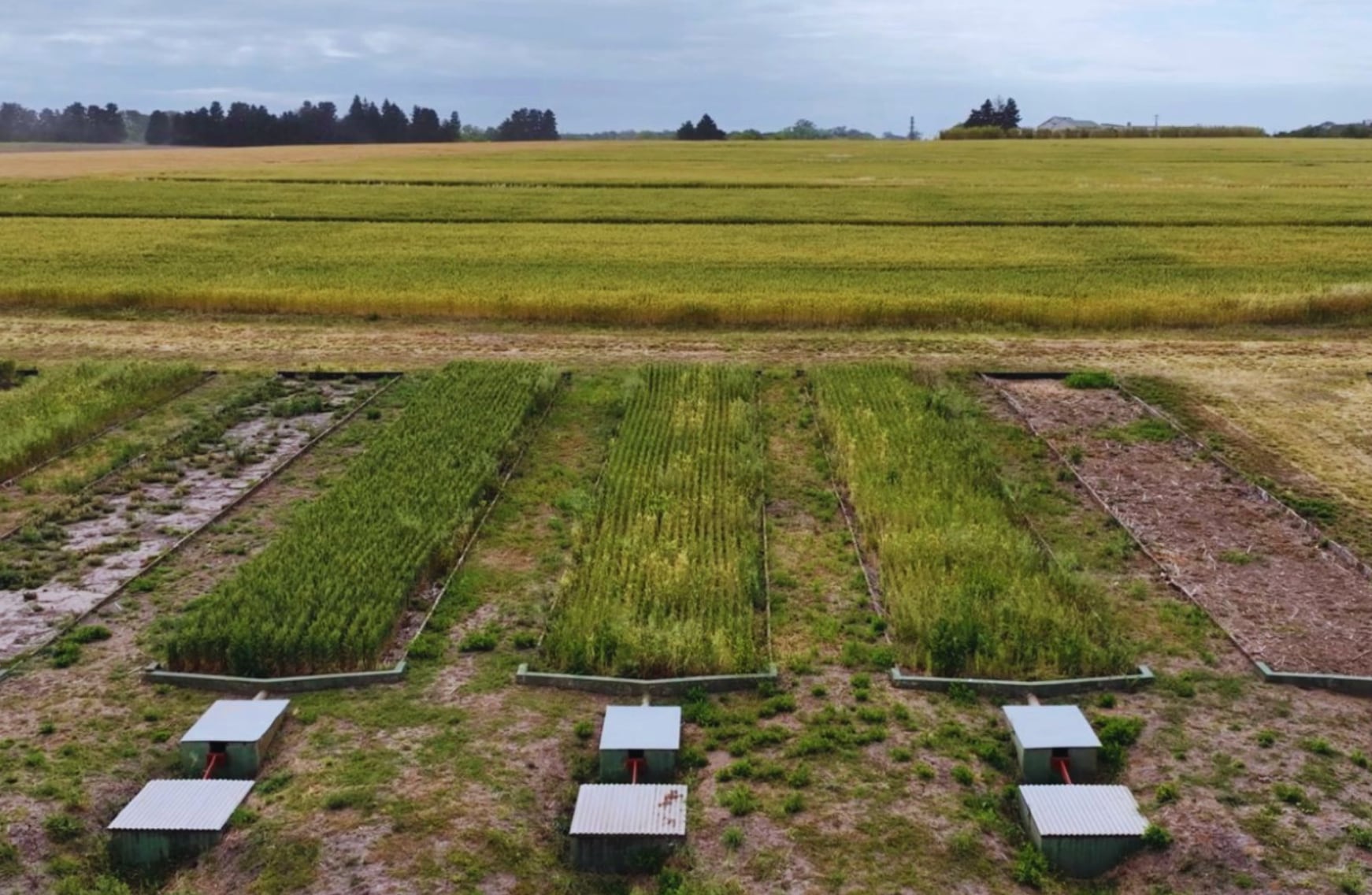
Researchers from the National Agricultural Technology Institute (INTA) in Argentina have demonstrated significant improvements in soil conservation and water efficiency in the Pampas region. Their study focused on implementing a combination of strategic management practices. These included the construction of terraces, the adoption of crop rotation systems, the application of organic amendments, and the practice of no-till farming (siembra directa). The research team found that these integrated methods led to a substantial reduction in soil loss, with erosion rates decreasing by as much as 54%. This advancement highlights the effectiveness of these techniques in preserving valuable agricultural land and optimizing water resource utilization in one of Argentina's key farming areas.
The INTA's findings underscore the critical role of sustainable agricultural techniques in mitigating soil erosion, a persistent challenge in the Pampas. By integrating structural interventions like terraces with agronomic practices such as crop rotation and organic amendments, the study demonstrates a systems-based approach to land stewardship. The significant reduction in soil loss suggests that these methods offer a robust, cost-effective strategy for enhancing long-term agricultural productivity and environmental resilience. This approach aligns with global efforts to promote climate-smart agriculture, potentially influencing policy and investment in similar regions facing comparable land degradation issues.
AI-generated to prompt reflection — not editorial opinion, not advice, not a statement of fact. How this works.