Stratospheric Platforms Aim to Deliver Internet and Earth Observation Services
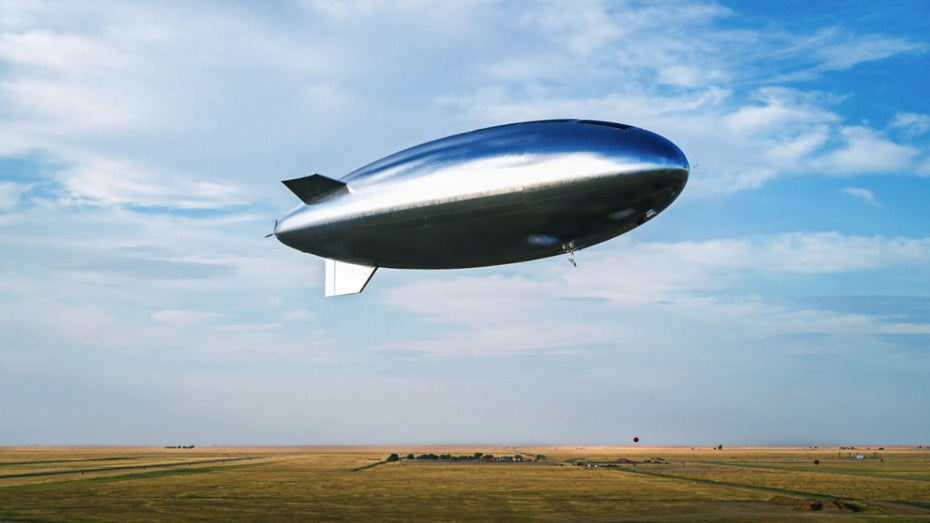
Several companies are developing novel flight platforms designed to provide internet access and earth observation capabilities from the stratosphere. This unique vantage point offers significant advantages for widespread coverage and data collection. However, operating at such high altitudes also presents considerable technical and logistical challenges for these aerial systems.
The stratospheric layer of the atmosphere, typically between 10 and 50 kilometers above the Earth's surface, is chosen for its stable conditions and broad reach. Platforms deployed here could potentially offer continuous connectivity to remote areas and enhance global monitoring efforts. The development aims to complement existing terrestrial 5G networks by extending their reach and capacity.
These advanced platforms are being engineered to withstand the harsh stratospheric environment, including extreme temperatures and low pressures. The successful deployment of such technology could revolutionize telecommunications and data services, bridging digital divides and providing new insights into our planet. Further details on these ongoing projects are available on t3n.de.
The pursuit of stratospheric platforms for internet and earth observation signifies a strategic effort to overcome the limitations of terrestrial infrastructure and low-Earth orbit satellites. By leveraging the stratosphere, companies aim to achieve a balance between persistent coverage and reduced latency compared to higher orbits, while benefiting from more stable atmospheric conditions than lower altitudes. This approach addresses the growing global demand for ubiquitous connectivity and enhanced environmental monitoring, particularly in underserved regions. The primary challenge lies in developing cost-effective, reliable, and long-endurance platforms capable of operating autonomously in this extreme environment. Future success will likely depend on advancements in materials science, energy harvesting, and autonomous navigation systems, alongside regulatory frameworks that accommodate these novel aerial assets.
AI-generated to prompt reflection — not editorial opinion, not advice, not a statement of fact. How this works.