Strawberry Moon, Blue Moon, and More: Upcoming Lunar Events Explained
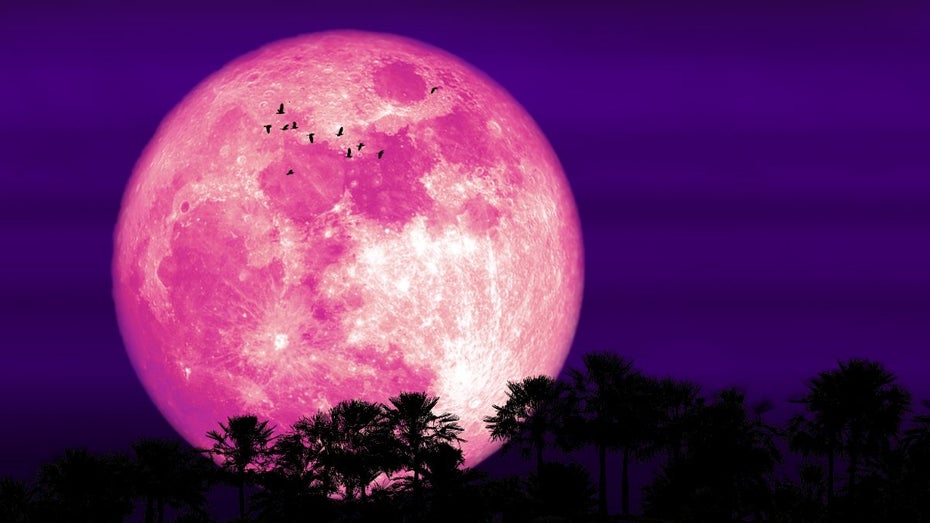
Throughout the year, various lunar phenomena occur, including the Strawberry Moon, Blue Moon, and Supermoon. Some of these events are characterized by visual changes to the Moon, while others are defined purely by their timing. Understanding these distinctions helps in appreciating the celestial spectacle. The Strawberry Moon, for instance, is traditionally associated with the harvest season in June. A Blue Moon, contrary to its name, does not appear blue but refers to the second full moon occurring within a single calendar month. Supermoons happen when the Moon is closest to Earth in its orbit, making it appear larger and brighter. Other notable lunar events include lunar eclipses, where the Earth passes between the Sun and Moon, casting a shadow, and meteor showers, which are often mistakenly associated with the Moon but are independent celestial events. These phenomena offer a recurring opportunity for skygazers to observe and learn about our solar system. The frequency and visibility of these events depend on astronomical cycles and local weather conditions. Each lunar event provides a unique perspective on the Moon's orbit and its relationship with Earth.
The reporting on lunar phenomena like the Strawberry Moon or Blue Moon serves to educate the public about astronomical events. These explanations often focus on the scientific basis of terms, distinguishing between visual effects and calendar-based definitions. Such public outreach can foster scientific literacy and appreciation for celestial mechanics. By demystifying these events, the media plays a role in translating complex astronomical concepts into accessible information, encouraging curiosity about space and science. This approach can also highlight the predictable cycles of celestial bodies, offering a sense of order and wonder in a rapidly changing world.
AI-generated to prompt reflection — not editorial opinion, not advice, not a statement of fact. How this works.