Streetlights create "death spirals" for thousands of pill bugs, researchers find
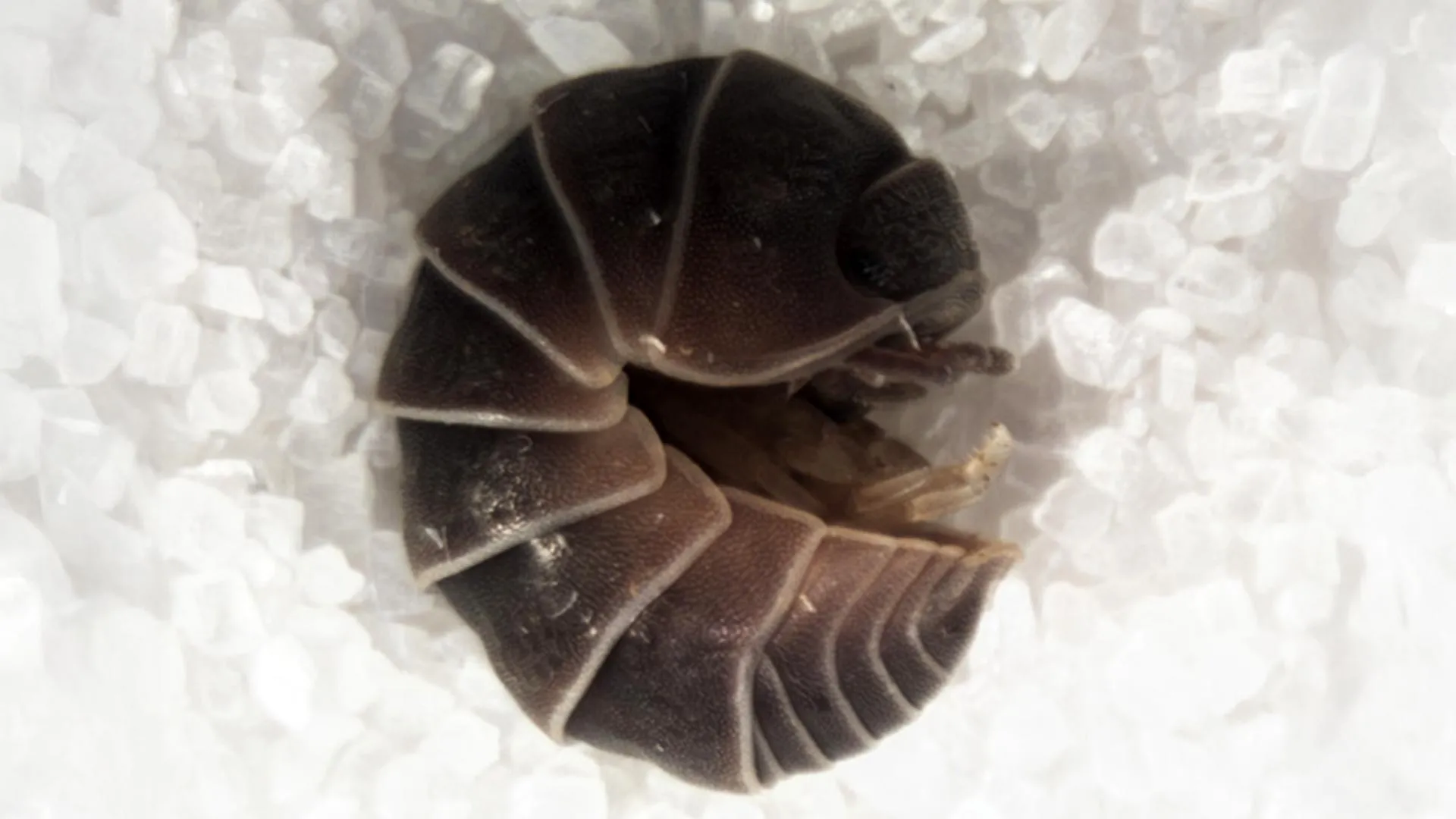
Researchers have discovered that artificial streetlights are causing thousands of woodlice, commonly known as pill bugs, to become trapped in circular "death spirals." This phenomenon, never before observed in the wild, involves the creatures moving in mesmerizing circles until they eventually perish. The surprising finding suggests that light pollution may be unintentionally altering the behavior of even the smallest ground-dwelling animals. The study highlights a previously unknown impact of human-made light on insect and arthropod populations. These spirals are thought to be a result of the pill bugs' disorientation caused by the intense artificial light. The exact mechanisms behind this behavior are still under investigation, but it points to a significant ecological consequence of urban lighting. This discovery raises concerns about the broader effects of light pollution on biodiversity and ecosystem health. Further research is needed to understand the full extent of this issue and its implications for other nocturnal or crepuscular species.
The discovery of pill bugs forming "death spirals" around streetlights reveals an unintended ecological consequence of light pollution. This phenomenon suggests that artificial lighting can disrupt fundamental navigational behaviors in even small, ground-dwelling invertebrates, potentially leading to localized population declines. The study prompts consideration of how widespread urban illumination might be impacting unseen ecosystems and the intricate relationships within them. Future urban planning and lighting design could benefit from incorporating strategies to mitigate such behavioral disruptions, ensuring that technological advancements do not inadvertently harm biodiversity. Understanding these subtle but significant impacts is crucial for developing more sustainable and ecologically sensitive urban environments in the coming decade.
AI-generated to prompt reflection — not editorial opinion, not advice, not a statement of fact. How this works.