Stricter Law to Curb Exam Paper Leaks? Experts Weigh In
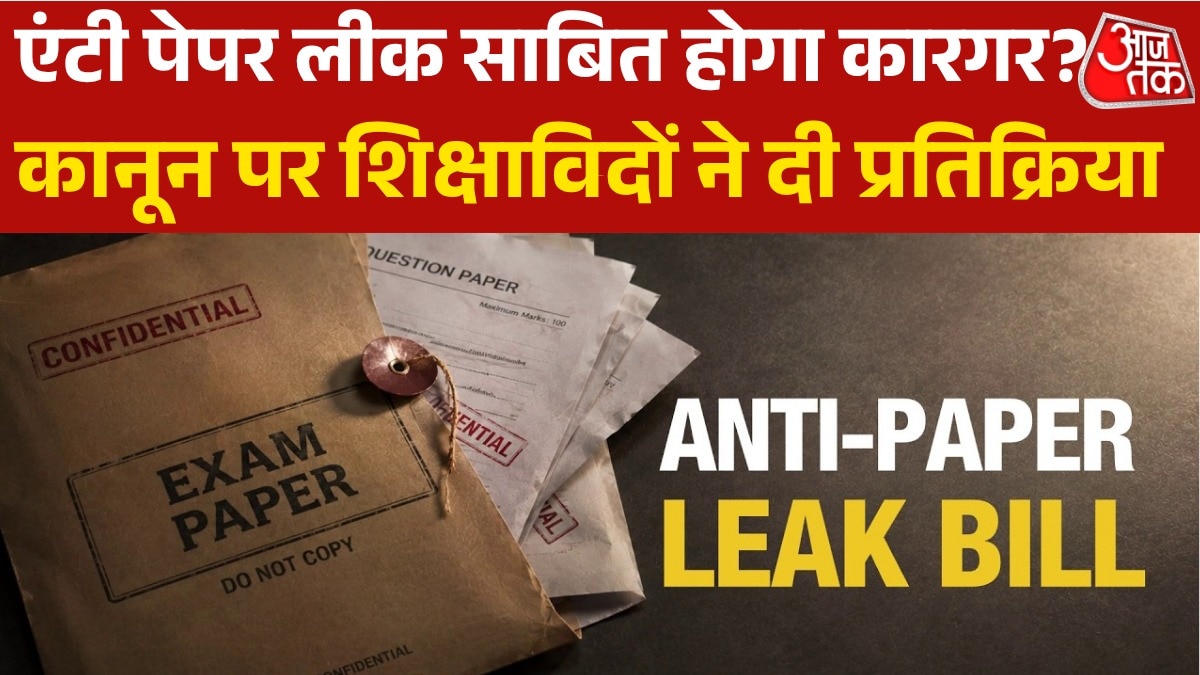
Following widespread outcry over exam paper leaks, the Indian government is set to introduce an amendment bill in the Lok Sabha today. The proposed legislation, named the Public Examinations (Prevention of Unfair Means) Amendment Bill, 2026, aims to strengthen the existing law from 2024. This move comes in response to significant public and parliamentary pressure to address the recurring issue of paper leaks that disrupt the examination process. The bill seeks to impose harsher penalties and more stringent measures to prevent malpractices in public examinations. However, the effectiveness of merely tightening the law in completely eradicating paper leaks remains a subject of debate among educationists. Experts are questioning whether legislative changes alone are sufficient to tackle the complex problem of exam integrity. The discussion revolves around whether the proposed amendments will create a sufficient deterrent or if broader systemic reforms are needed. The introduction of this bill highlights the government's commitment to ensuring fairness and transparency in the examination system.
The Indian government's proposed amendment to the Public Examinations (Prevention of Unfair Means) Act, 2024, reflects a common governmental response to systemic failures: legislative tightening. While increased penalties and stricter enforcement mechanisms may deter some individuals, paper leak scandals often indicate deeper issues within examination administration, including vulnerabilities in technology, human resource management, and oversight. The effectiveness of this amendment will likely depend on its implementation, the capacity of enforcement agencies, and the ability to address the root causes of such leaks, which may involve sophisticated criminal networks. Future-proofing the examination system against such disruptions in the age of advanced digital technologies will require continuous adaptation and a multi-pronged approach that goes beyond punitive measures to encompass preventative strategies and robust technological safeguards.
AI-generated to prompt reflection — not editorial opinion, not advice, not a statement of fact. How this works.