Striker the Dog: The Unlikely Mascot Who Became a 1994 World Cup Icon
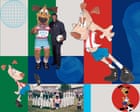
Striker, the dog mascot for the 1994 FIFA World Cup, achieved remarkable ubiquity during the tournament, transcending his role as a simple symbol to become a cultural phenomenon. His image was extensively featured on a wide array of merchandise, including billboards, Coca-Cola cans, keychains, and caps, making him more visible than many of the participating players. Children embraced Striker, carrying around dolls of the canine character, while adults engaged with Striker-themed entertainment such as pinball machines and Super Nintendo video games. The mascot's presence was also felt in stadiums, where attendees could pose for photographs with him. This widespread commercialization and popular appeal highlighted the growing international spectacle and commercial aims associated with the World Cup by 1994. The article notes the curious detail of a preserved severed head of Striker, the mascot, existing in a warehouse in Hillsborough, North Carolina, decades after the event.
The pervasive commercialization of the 1994 World Cup, exemplified by the mascot Striker, reflects a broader trend in global sporting events. The extensive merchandising and media presence of the mascot underscore the increasing integration of sports with consumer culture and corporate branding. This strategy, while boosting revenue and global reach, also raises questions about the balance between athletic competition and commercial interests. As sporting events continue to evolve into massive entertainment properties, understanding the dynamic between authentic athletic appeal and market-driven visibility will be crucial for maintaining fan engagement and the integrity of the sport in the coming decade.
AI-generated to prompt reflection — not editorial opinion, not advice, not a statement of fact. How this works.