Stripes: The Enduring Fashion Motif Captivating Young People
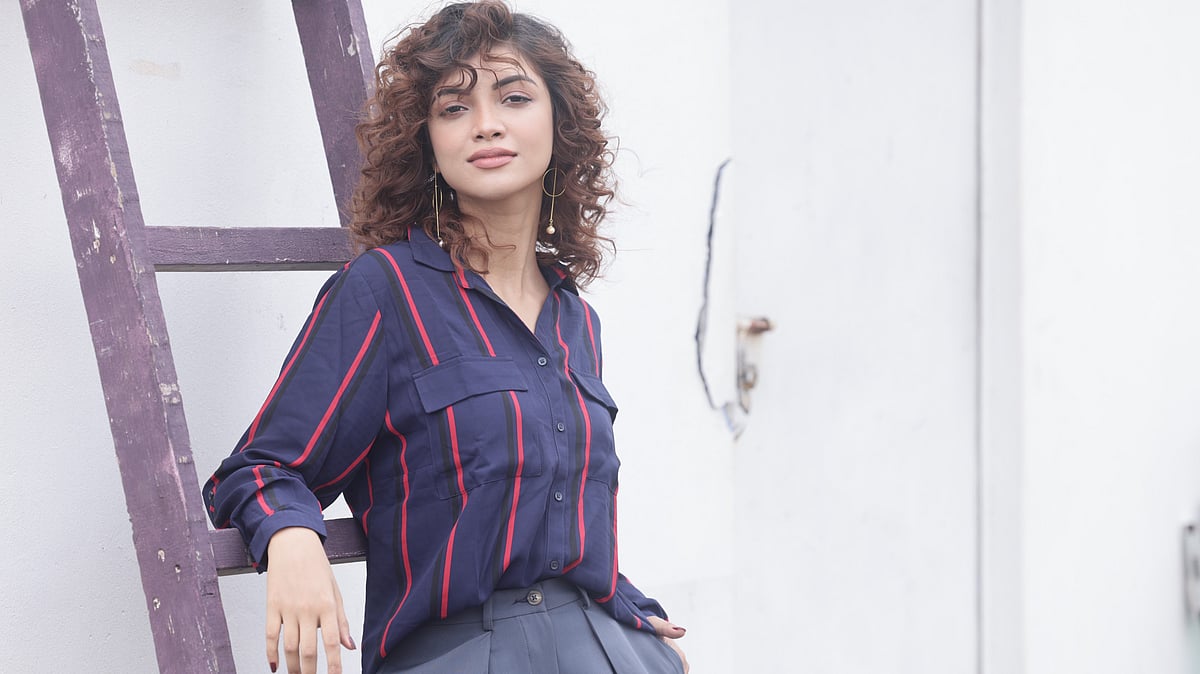
The parallel line pattern, known as stripes, continues to be a dominant force in fashion, demonstrating remarkable longevity across decades. While the fundamental design remains, its application has evolved significantly, incorporating diverse colors, sizes, and arrangements. Stripes are versatile, appearing in everything from formal wear and casual attire to sleepwear, with designers constantly innovating on cuts and styles. Fashion designer Lipi Khandaker notes that classic patterns like stripes, checks, and dots never fade, with stripes serving as a foundational element for numerous other designs due to their adaptable nature. These patterns can be integrated into any fabric and garment cut, and they pair well with other designs or as standalone pieces.
Stripes also offer a spectrum of color possibilities, from subtle tonal variations to bold, contrasting hues. Iftkharul Islam, an expert from Club House, explains that the choice of color and stripe width depends on the occasion and desired aesthetic. For instance, bold red stripes on white might be a statement piece but less suitable for formal settings, whereas sky blue with white stripes can offer a more formal look. Casual wear allows for greater flexibility, with varying stripe widths and spacing, and designers often adjust stripe thickness for different seasons, opting for thinner stripes or a mix for warmer weather and broader stripes for cooler months.
Beyond aesthetics, stripes possess functional qualities, creating optical illusions that can alter perceived body shape. Vertical stripes can elongate the figure, while horizontal stripes on the shoulders can create an impression of broader shoulders. This makes strategic placement of striped fabric valuable in garment construction. The versatility of stripes extends to nearly every type of clothing, including shirts, t-shirts, kurtas, trousers, blazers, and even sarees, and they are also incorporated into various accessories. Contemporary designers are increasingly combining stripes with different textures, embroidery, and prints, utilizing their adaptability to create looks ranging from minimalist and contemporary to vibrant and statement-making, or even serene and sophisticated through monochromatic variations.
The enduring popularity of striped patterns in fashion highlights a fundamental human appreciation for order, rhythm, and visual simplicity. Designers leverage stripes not just for aesthetic appeal but also to manipulate visual perception, demonstrating how design principles can interact with optics. The trend's persistence across demographics and garment types suggests that stripes tap into a timeless design language, adaptable to evolving tastes and technological advancements in textile production. As fashion increasingly embraces personalization and sustainable practices, the inherent versatility and foundational nature of stripes offer designers a robust canvas for innovation, allowing for both minimalist expressions and bold statements through color, scale, and orientation. This adaptability ensures stripes will likely remain a relevant element in the fashion landscape for the foreseeable future, resonating with consumers seeking both classic appeal and contemporary relevance.
AI-generated to prompt reflection — not editorial opinion, not advice, not a statement of fact. How this works.