Strong Earthquake Near Southern Japan; Tsunami Warning Issued and Lifted
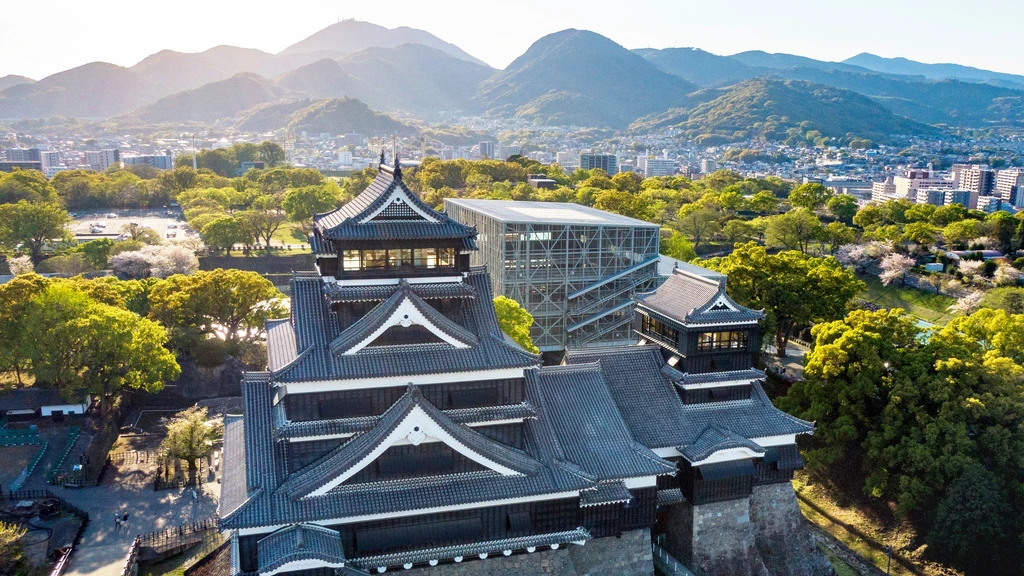
A powerful earthquake with a magnitude of 7.1 struck off the coast of Kyushu, a southern Japanese island. A tsunami warning was briefly in effect for Ariake Bay on the island's west side but has since been withdrawn. Japan's nuclear regulatory agency reported no damage at three nearby nuclear power plants. Information regarding other damages remains unavailable. Earthquakes are a frequent occurrence in Japan. In 2016, Kumamoto, also on Kyushu, experienced two consecutive earthquakes of magnitudes 5.3 and 7.3, resulting in over 50 fatalities, 1800 injuries, and the destruction or damage of thousands of homes. A devastating earthquake in northeastern Japan in 2011 led to a massive tsunami that severely damaged the Fukushima nuclear power plant. This disaster claimed over 18,000 lives, with more than 2500 individuals still unaccounted for.
This seismic event highlights Japan's ongoing vulnerability to earthquakes due to its location on the Pacific Ring of Fire. The rapid issuance and subsequent withdrawal of the tsunami warning demonstrate the dynamic nature of disaster response protocols. The lack of reported damage to nuclear facilities, while reassuring, underscores the critical importance of robust infrastructure and emergency preparedness in seismically active regions. Future technological advancements in early warning systems and resilient construction will be key to mitigating the impact of such natural disasters. The historical context provided by the 2011 Fukushima disaster serves as a stark reminder of the cascading risks, including nuclear safety, that accompany major earthquakes and tsunamis, emphasizing the need for continuous risk assessment and adaptation strategies.
AI-generated to prompt reflection — not editorial opinion, not advice, not a statement of fact. How this works.