Strong Winds Cause Damage, One Death in Brazil's São Paulo North Coast
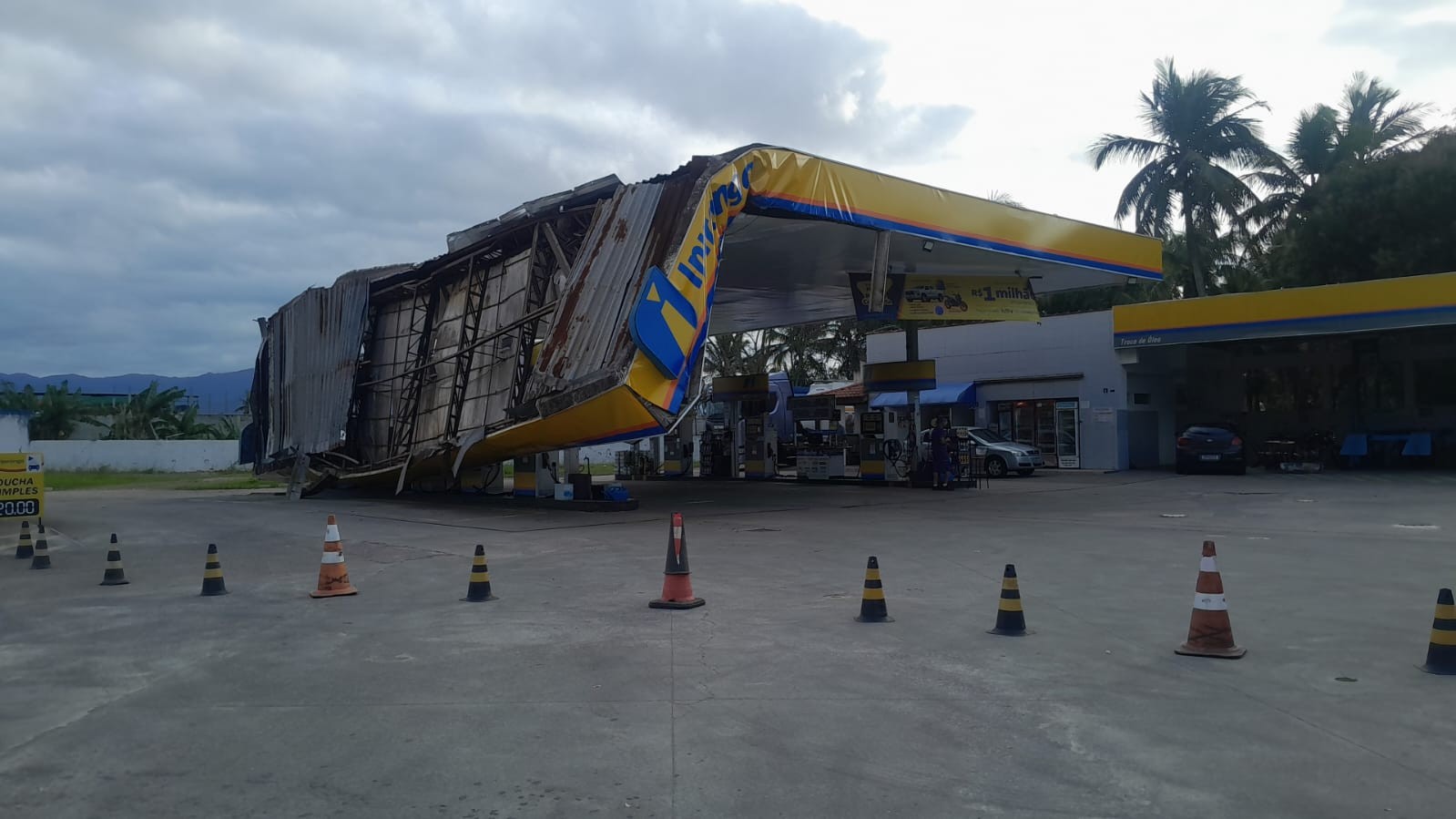
A powerful windstorm swept through the North Coast of São Paulo, Brazil, on Wednesday, March 29th, leaving a trail of destruction across four cities: São Sebastião, Caraguatatuba, Ilhabela, and Ubatuba. The severe weather caused widespread damage, including fallen trees, damaged roofs, structural failures, and blocked roads. Services were also interrupted due to the storm's impact. In São Sebastião, a fishing boat capsized near Praia das Cigarras, resulting in the death of a 58-year-old fisherman who was later found unresponsive. Five other individuals on the boat were rescued. The city also experienced fallen trees, utility poles, and lighting structures, with one person sustaining minor injuries from flying debris. Caraguatatuba reported damage to 12 schools and the Municipal Education Secretariat, primarily affecting roofs. A gas station also suffered structural damage, though no injuries were reported. Residents in the Massaguaçu neighborhood had homes compromised by landslides in risk areas. In Ubatuba, a speedboat carrying 12 people capsized near Praia de Itamambuca; all were rescued. One young girl, aged 6, was transferred to the Regional Hospital in serious condition, while 13 individuals in total sought medical attention, with one requiring intensive care. Ilhabela experienced fallen trees, some impacting residences and the electrical grid, and a municipal school had its roof damaged. The ferry service between São Sebastião and Ilhabela was temporarily suspended due to high winds. Municipal and Civil Defense teams are actively working to clear debris, repair structures, and restore power, urging residents to avoid damaged areas.
The severe weather event highlights the vulnerability of coastal infrastructure and communities to extreme meteorological phenomena. The response efforts by municipal and Civil Defense teams underscore the critical need for robust emergency preparedness and rapid recovery protocols. Future planning should consider climate change projections and their potential to increase the frequency and intensity of such events, necessitating investments in resilient infrastructure and public awareness campaigns. The economic impact of damage to public facilities, private property, and essential services, alongside the tragic loss of life, warrants a comprehensive review of urban planning and building codes in at-risk regions. Evaluating the effectiveness of current early warning systems and evacuation procedures will be crucial for mitigating future risks and ensuring the safety and well-being of affected populations.
AI-generated to prompt reflection — not editorial opinion, not advice, not a statement of fact. How this works.