Strong Winds Cause Tree Falls and Disruption in Mosqueiro, Belém
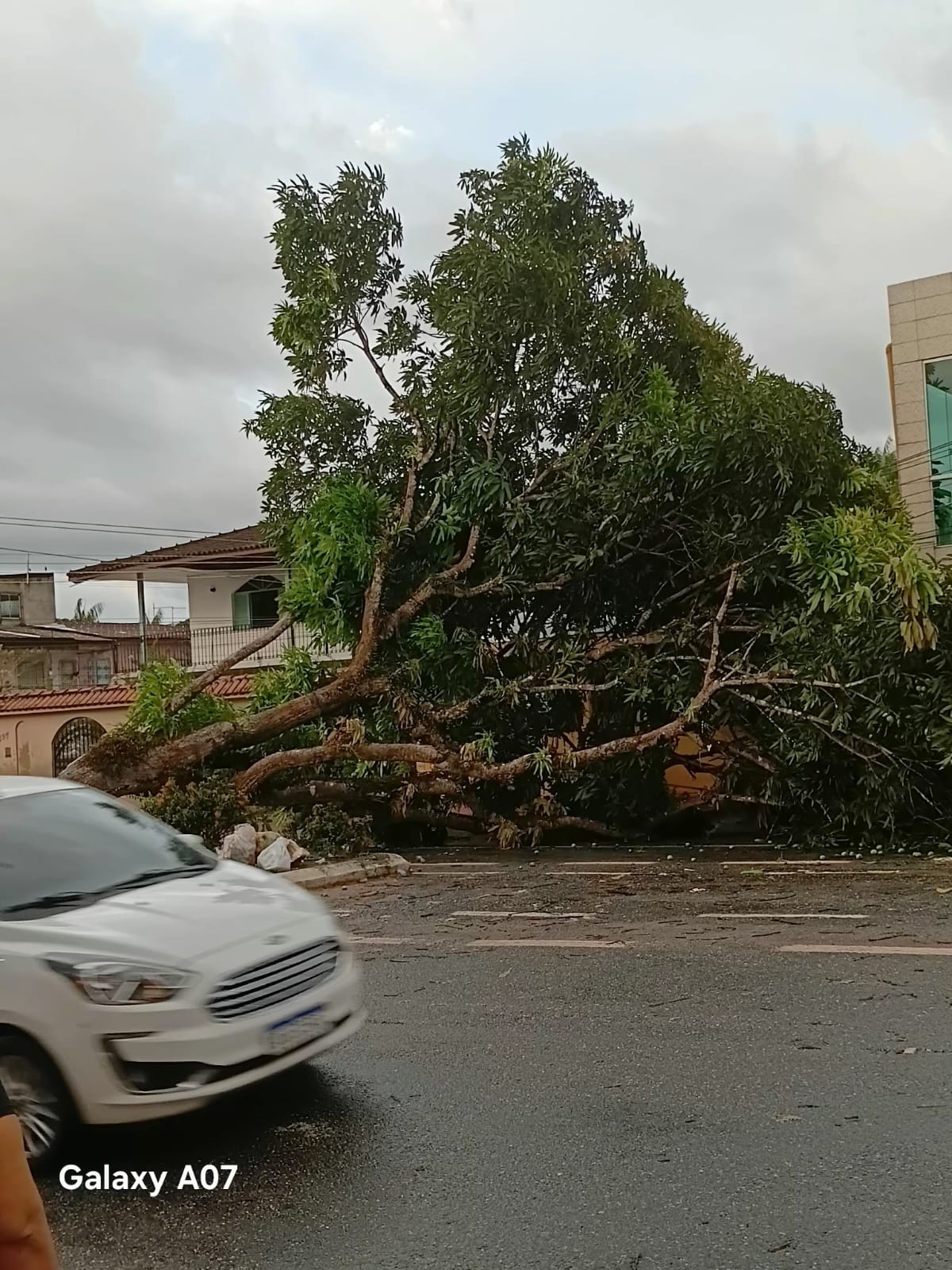
A severe storm struck the island of Mosqueiro, near Belém, on Tuesday, August 28th, bringing heavy rain and strong winds. The inclement weather surprised residents and tourists who were enjoying the July holiday period. Powerful gusts of wind caused several trees to fall, damaging the electrical grid and leading to property losses across the district. At Farol Beach, bathers had to abandon the shore and seek shelter in tents due to the storm's intensity. The fallen trees caused significant disruption, with one tree on the Farol Beach promenade nearly blocking the road. Other trees in various locations had their roots exposed, and material damage was reported. The Secretariat of Urban Care and Conservation of Belém (Sezel), through the Mosqueiro Sub-prefecture, confirmed that a fallen tree on the promenade was removed with the assistance of the Fire Department, and the road has since been reopened. Teams are continuing to clear debris from the storm. On Avenida 16 de Novembro, a major thoroughfare, additional trees were toppled. The disruption to the electrical network resulted in short circuits in some parts of the island. Fortunately, despite the fright and the damages incurred at the end of the July holidays, no injuries were reported.
This event highlights the vulnerability of urban infrastructure, particularly in island or coastal communities, to extreme weather phenomena. The strong winds, likely exacerbated by localized meteorological conditions, demonstrated the need for robust urban planning that accounts for climate resilience. The damage to trees and the electrical grid underscores the interconnectedness of natural elements and public services. Future infrastructure development and maintenance strategies should prioritize the selection of resilient vegetation and the hardening of power systems against such events. This incident serves as a reminder for local authorities to continuously assess and update emergency preparedness plans to mitigate the impact of severe weather on both public safety and economic activity, especially during peak tourist seasons.
AI-generated to prompt reflection — not editorial opinion, not advice, not a statement of fact. How this works.