Strong Winds Halt Santos Port Operations and Ferry Services in São Paulo
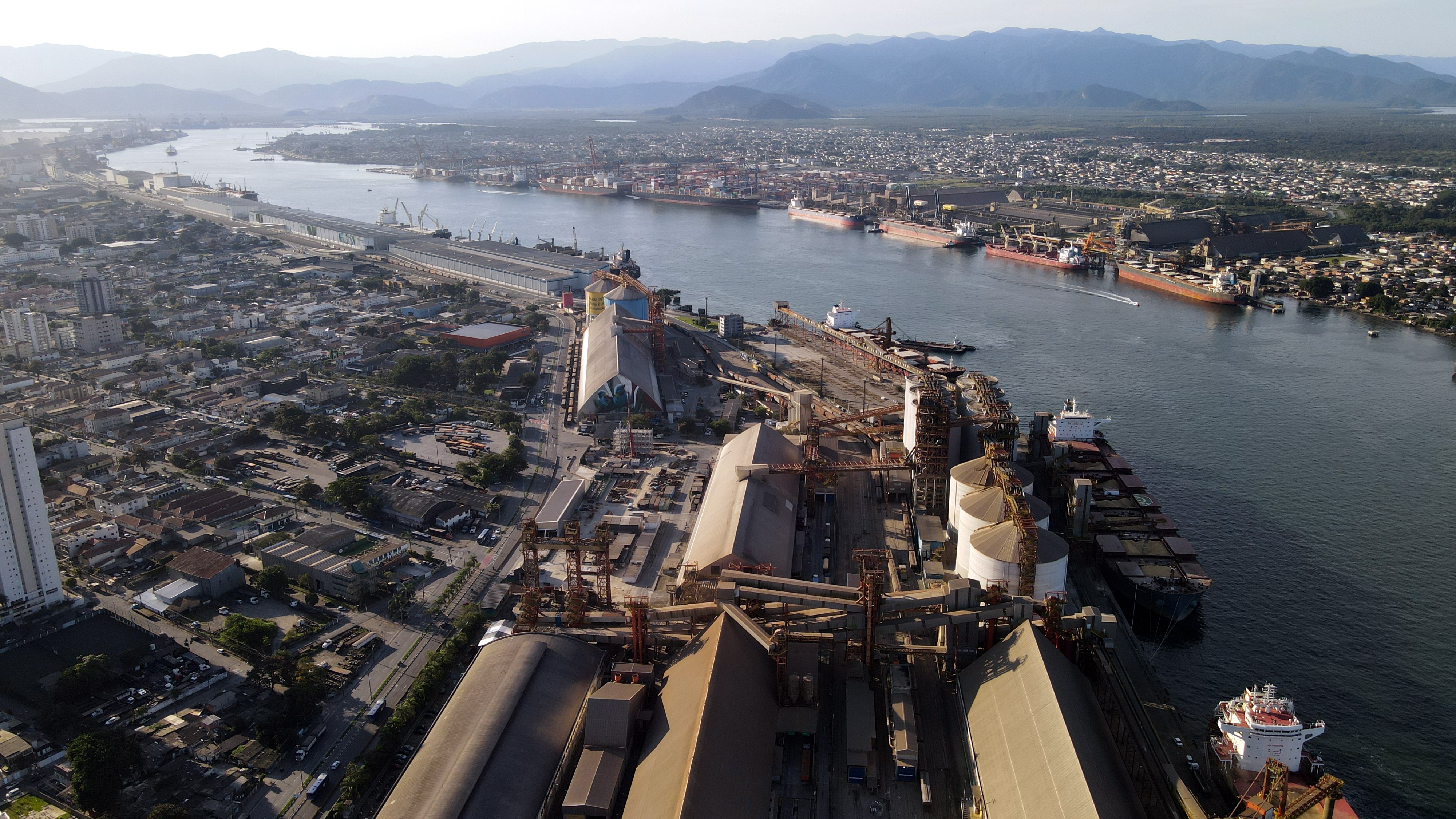
Strong winds exceeding 30 knots (approximately 56 km/h) temporarily paralyzed operations at the Port of Santos and suspended ferry services along the São Paulo coast on Wednesday morning, November 22nd. The Port of Santos Authority (APS) reported that navigation in the port's channel was halted from 7:40 AM to 9:20 AM due to the intensity of the winds, preventing vessels from entering or leaving the port complex. The São Paulo Port Authority stated that the port shifted to an unworkable condition following the deterioration of weather conditions. In port operations, winds of 30 knots compromise navigation and vessel maneuver safety, necessitating temporary activity suspension. The APS indicated that further restrictions, such as halting operations at heights like cranes and gantry cranes, might be implemented if weather conditions worsen. Each terminal retains autonomy to decide operational measures, while ensuring workers use personal protective equipment (PPE). The strong gusts also affected the coastal ferry system managed by the Secretariat of Environment, Infrastructure, and Logistics (Semil), interrupting services between Bertioga and Guarujá starting at 7:56 AM, Santos and Guarujá from 8:00 AM, and Iguape-Jureia. While ferry services have since resumed normal operations, the secretariat emphasized that future interruptions cannot be predicted as operations depend on continuously monitored navigation and weather conditions. These suspensions are implemented preventively according to safety protocols, and users are advised to check official channels for real-time updates before traveling to the ferry terminals.
The temporary shutdown of the Port of Santos and associated ferry services due to high winds highlights the inherent vulnerability of critical logistics infrastructure to climate variability. While safety protocols are essential, the incident underscores the need for enhanced resilience planning in port operations. Future climate projections suggest an increase in extreme weather events, necessitating investments in adaptive technologies and infrastructure that can better withstand such conditions. This includes exploring advanced weather forecasting integration for more proactive operational adjustments and potentially developing hardened infrastructure. The decentralized decision-making autonomy of terminals, while allowing flexibility, also raises questions about centralized coordination during widespread disruptions, suggesting a need for clearer overarching strategies to ensure consistent safety and efficiency across the entire port system.
AI-generated to prompt reflection — not editorial opinion, not advice, not a statement of fact. How this works.