Struggling Market Faces Hyper-Competition Amidst Economic Slowdown
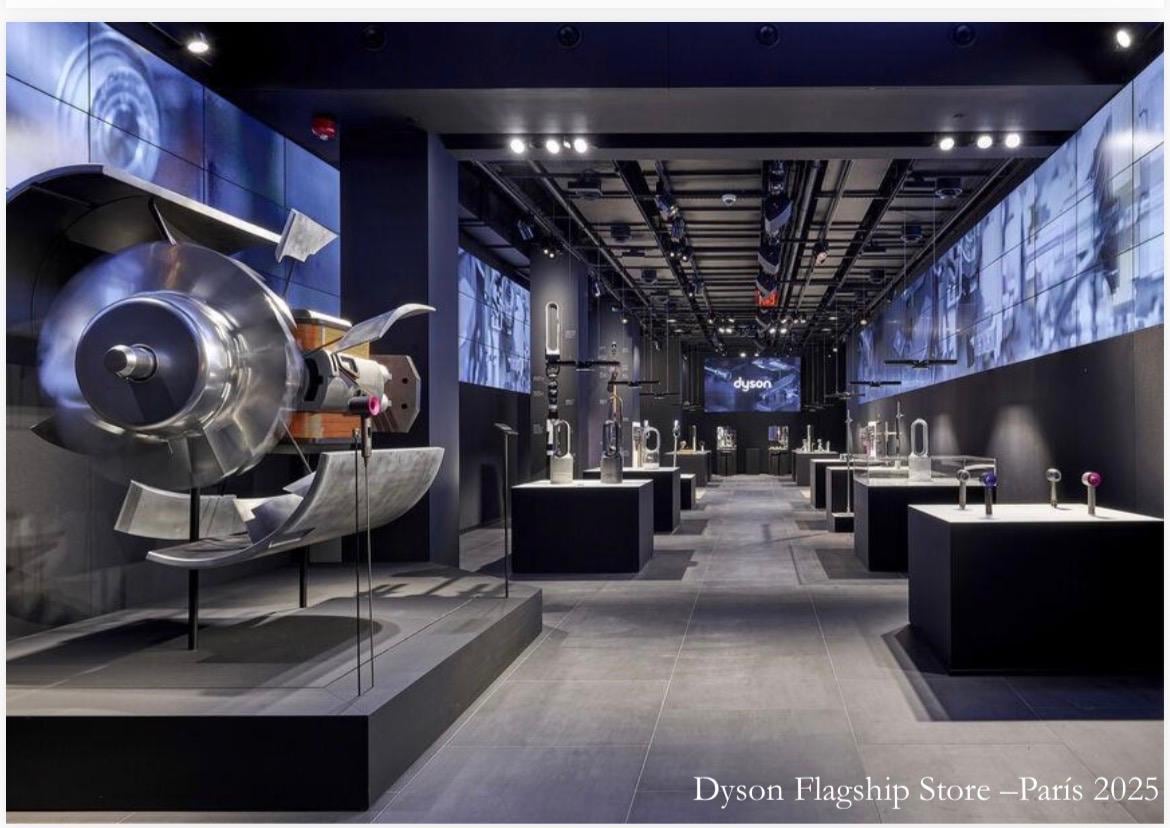
Argentina's consumer market is experiencing a significant downturn, characterized by hyper-competition and restricted purchasing power, a stark contrast to the scarcity-driven market of 2023. In the first half of the year, 16 out of 20 consumer sectors saw declines, with supermarket sales down 23% and private construction down 22% compared to 2024. This economic contraction is exacerbated by a severe financial delinquency problem, with 13% of the banking sector and 30% of digital wallets experiencing defaults in May, indicating that consumers are unable to pay rather than unwilling. The credit market, once a bridge for consumer spending, is now severely limited due to the difficulty in collecting payments. This challenging microeconomic environment persists despite some macroeconomic stabilization, leading to a 'gray' or 'cold' market atmosphere. International brands are entering the country, attracted by long-term potential in energy, mining, agriculture, and knowledge services, with some looking towards 2030 and beyond. However, current domestic players are struggling to survive the immediate financial pressures. The article draws parallels to European and North American markets, which have long operated with 'hyper-competitiveness with stability' and modest growth rates, a state of 'grayness' described by philosopher Peter Sloterdijk as characteristic of contemporary times. This era of anomie, marked by overstimulation and a fatigue of perception, necessitates a return to product substance and innovation. Technology is seen as a key driver in rebalancing the relationship between aesthetics and utility, and the symbolic value of products with their functional essence, moving away from the purely image-driven 'System Fashion' era described by Roland Barthes. Iconic brands are highlighted as examples of this renewed focus on product essence.
The Argentine market's current state reflects a complex interplay of macroeconomic stabilization and microeconomic contraction, creating a challenging environment for businesses. The influx of international brands, while indicative of long-term potential, intensifies competition in a shrinking domestic market. This situation highlights a strategic divergence: new entrants focus on future growth prospects, while established players grapple with immediate financial viability. The article's reference to philosopher Peter Sloterdijk's concept of 'grayness' as the color of contemporaneity aptly captures the prevailing mood of muted expectations and intense, often unrewarding, competition. The analysis suggests that a return to product fundamentals, driven by technological innovation, is crucial for brands to regain consumer attention and market share. This strategic pivot, balancing symbolic value with functional utility, may offer a path through the current anomie and toward a more sustainable market dynamic, though the transition will likely be protracted and uneven across different sectors.
AI-generated to prompt reflection — not editorial opinion, not advice, not a statement of fact. How this works.
