Stuck in the Strait of Hormuz: What Will Arab Nations Do Next?
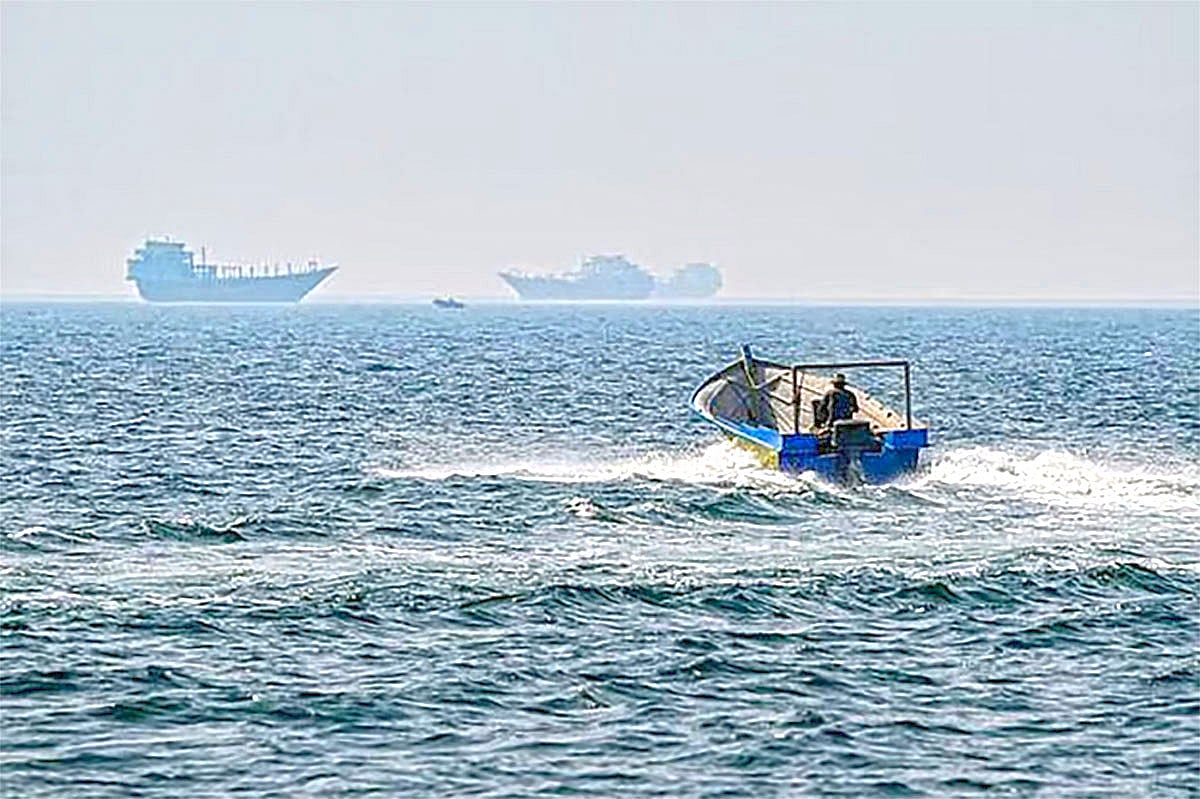
The Strait of Hormuz is currently experiencing a blockage, prompting questions about the strategic responses of Arab nations. In reaction to this developing crisis, the United Arab Emirates (UAE) has accelerated the construction of its second crude oil pipeline. This initiative by the UAE suggests a proactive approach to mitigating the risks associated with potential disruptions in vital shipping lanes. The expansion of alternative export routes is a key strategy for ensuring energy security and maintaining economic stability in the region. The ongoing situation in the Strait of Hormuz highlights the geopolitical importance of this waterway and the potential impact of its closure on global energy markets. Arab countries are likely evaluating various contingency plans to safeguard their energy exports and economic interests.
The blockage in the Strait of Hormuz presents a critical test of regional energy infrastructure resilience. The UAE's accelerated pipeline construction demonstrates a strategic foresight in diversifying export routes, aiming to reduce dependence on chokepoints. This move reflects a broader trend of nations seeking to insulate their economies from geopolitical volatility. The situation underscores the inherent vulnerabilities of concentrated global supply chains and the ongoing imperative for technological and infrastructural innovation to ensure energy security in an increasingly complex geopolitical landscape. Future strategies will likely involve further investments in alternative transport and storage solutions to buffer against unforeseen disruptions.
AI-generated to prompt reflection — not editorial opinion, not advice, not a statement of fact. How this works.