Student, 20, dies after nearly two years battling stroke complications
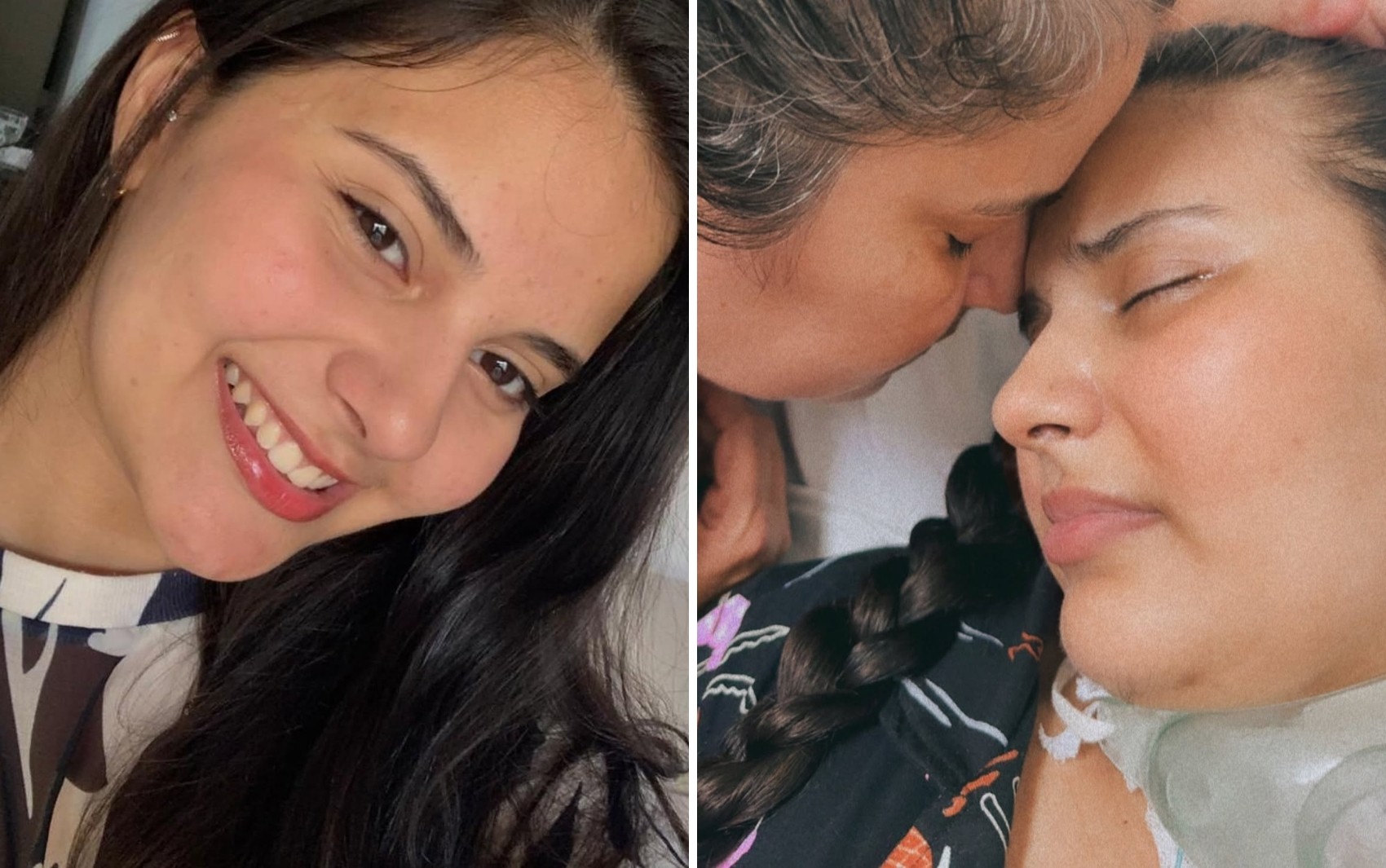
Ana Júlia Servato, a 20-year-old law student from Itumbiara, Goiás, Brazil, has died after a nearly two-year struggle with complications from a stroke. Her mother, Mônica Servato, announced the heartbreaking news on social media, stating her heart is "shattered" but that her daughter's legacy will be remembered. Ana Júlia suffered a stroke in September 2024 due to a rare congenital arteriovenous malformation (MAV). This condition involves an abnormal connection between arteries and veins, leading to high blood pressure and an increased risk of hemorrhage. Mônica had been documenting her daughter's recovery journey, sharing updates on physiotherapy and occupational therapy treatments. The family sought treatment for Ana Júlia in Itumbiara, Goiânia, and Uberlândia, Minas Gerais. Ana Júlia, who was 19 when she had the stroke, celebrated her 20th birthday in August 2025, the same week she awoke from a coma. Her mother described her as the strongest and bravest girl she knew, who loved Japanese food and animals. The death has deeply affected family, friends, and medical professionals who witnessed her fight.
This narrative highlights the profound impact of a rare congenital condition on a young life, underscoring the long-term challenges and emotional toll associated with severe neurological events like strokes. The mother's public sharing of her daughter's struggle offers a poignant look at resilience and the complexities of medical recovery, while also serving as a testament to the importance of familial support systems. From a public health perspective, the case implicitly raises awareness about arteriovenous malformations and the critical need for early detection and intervention. In the context of future healthcare, advancements in understanding and treating such vascular anomalies, coupled with robust support for patients and families navigating chronic conditions, will be crucial for mitigating long-term suffering and improving outcomes.
AI-generated to prompt reflection — not editorial opinion, not advice, not a statement of fact. How this works.