Student Dies After Aviation School 'Oil Bath' Ritual in Brazil
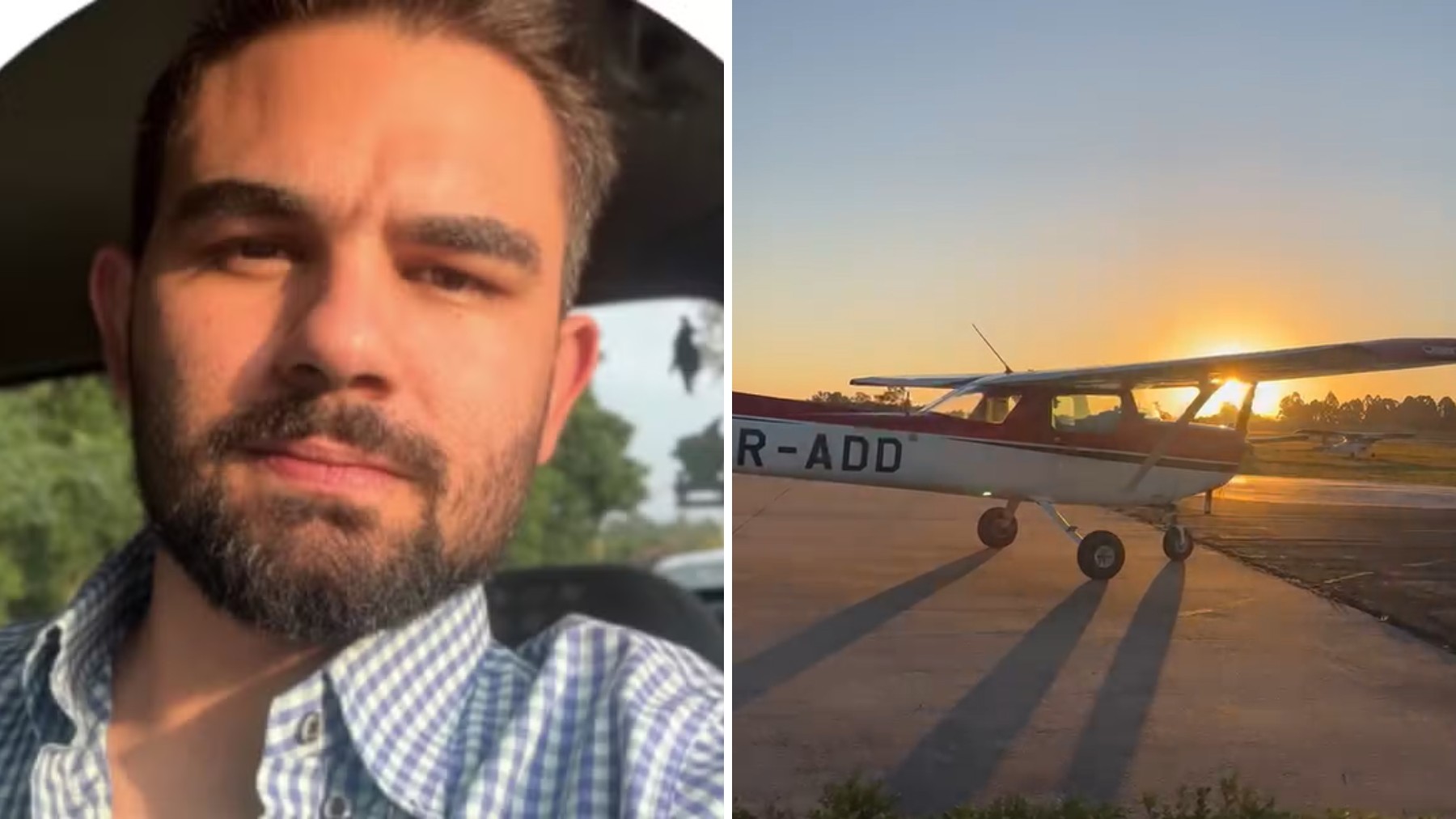
A 27-year-old aviation student, Gustavo Henrique Lara, died in Ponta Grossa, Paraná, Brazil, following an allergic reaction during a graduation ritual known as an "oil bath." The ceremony, which marks a student's entry into the pilot community, took place on Thursday night, May 16th, shortly after Lara completed his first solo flight. Family and friends were present and invited by Lara himself to witness the tradition. According to the delegate investigating the case, Lucas Petry, Lara was very excited about this day, having spoken about it for a month. After oil, identified as a substance used in aircraft engines, was poured on him, Lara suffered a severe anaphylactic reaction, leading to a convulsive crisis and three cardiac arrests. While the first two were reversed, he did not survive the third. The instructor who allegedly poured the oil, whose name was not disclosed, has been arrested on charges of involuntary manslaughter after voluntarily presenting himself to the police. He was released on a R$3,000 bail. The instructor stated that the ritual is typically performed from the neck down. The Civil Aviation Instruction Center (CIAC) of the Ponta Grossa Aeroclub expressed its condolences, noting the incident occurred outside their premises and after flight activities concluded. They are cooperating with authorities and will not comment further until investigations are complete. The police are examining the substance's composition, quantity, and the areas of the body affected, as well as seeking necroscopic, toxicological, and chemical-pericial exams to confirm the cause of death. Social media tributes describe Lara as a beloved young man with dreams and plans, remembered for his kindness and support.
This tragic incident highlights the potential risks associated with hazing rituals, even when intended as celebratory traditions within professional training environments. The investigation will need to thoroughly assess the specific composition and application of the oil, the instructor's adherence to safety protocols (such as the stated 'neck down' rule), and the victim's known allergies. The legal proceedings will likely focus on whether negligence occurred, considering the instructor's voluntary surrender and bail, and the CIAC's statement that the event happened off-site. Moving forward, aviation schools and similar institutions may need to re-evaluate or enhance their oversight of such traditions to ensure they do not pose undue health risks, particularly in an era where safety and risk management are paramount across all industries.
AI-generated to prompt reflection — not editorial opinion, not advice, not a statement of fact. How this works.