Student Dies After Aviation School's 'Oil Bath' Ritual in Brazil
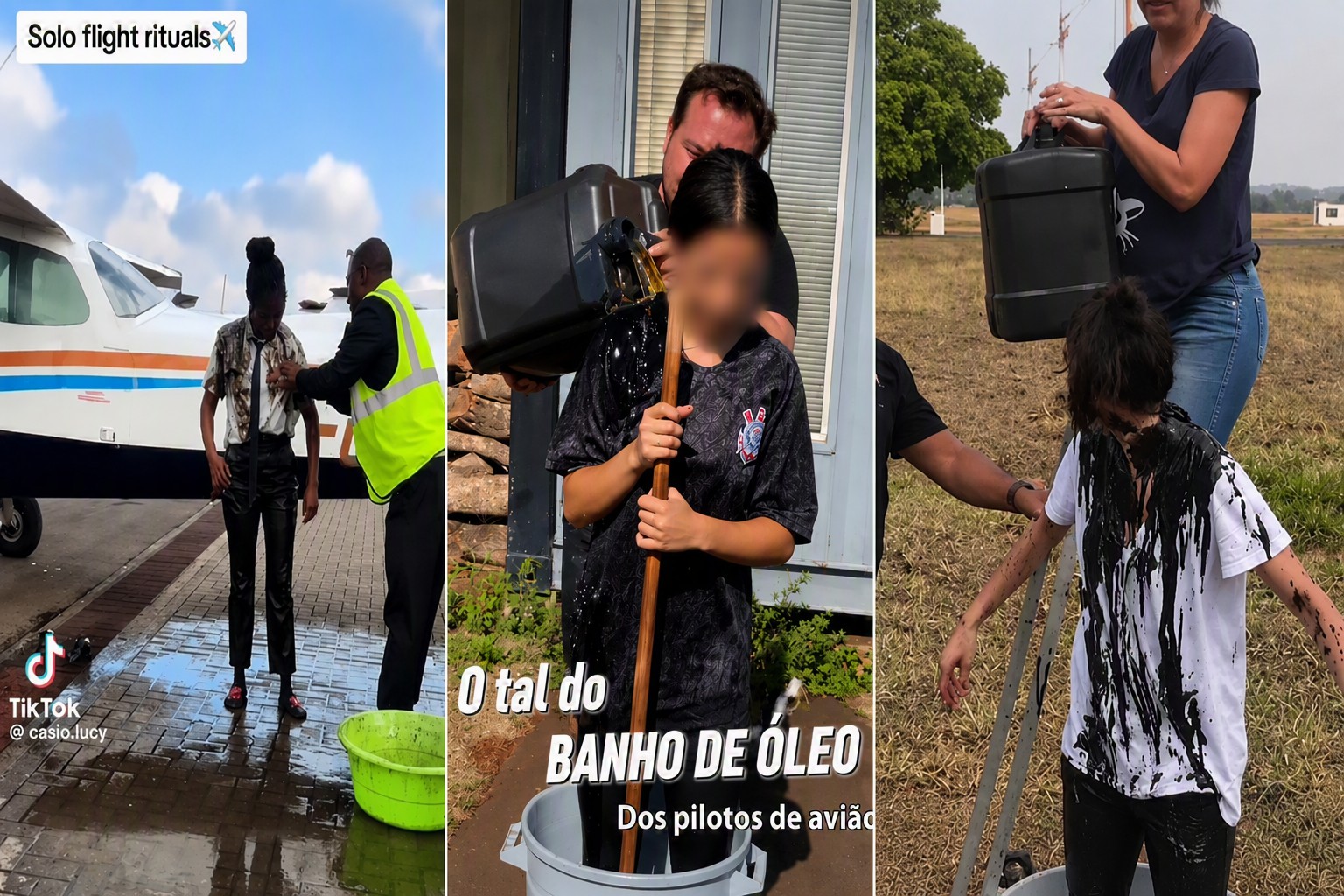
A 27-year-old engineering student, Gustavo Henrique Lara, has died in Ponta Grossa, Paraná, Brazil, following a traditional aviation school ritual known as an 'oil bath.' The ceremony, intended to celebrate milestones like a first solo flight, involved dousing the student with used aircraft engine oil. Shortly after participating in the ritual on Thursday, May 16th, Lara experienced a severe allergic reaction, specifically anaphylaxis, and passed away at the hospital. The Civil Police are investigating the incident, including the composition and application of the oil, and its potential link to Lara's death. The instructor who administered the oil was initially arrested on suspicion of involuntary manslaughter but was later released on bail. The aviation school stated the ritual occurred off-site and pledged cooperation with the investigation, while the Aeroclube de Ponta Grossa also expressed condolences. Experts and dermatologists have warned about the dangers of engine oil coming into contact with skin, citing risks of dermatitis, allergic reactions, and unpredictable anaphylaxis, even in individuals without prior allergies. The National Civil Aviation Agency (Anac) has advised against such practices, emphasizing that aviation chemicals are not meant for human contact and urging flight schools to reconsider these traditions to prioritize safety. Social media platforms show numerous videos of similar 'oil bath' ceremonies, not only in Brazil but also in countries like Colombia and the United States, highlighting the widespread nature of this controversial tradition.
The tragic death of Gustavo Henrique Lara following an aviation school's 'oil bath' ritual underscores a critical tension between tradition and safety in professional training environments. While such ceremonies aim to foster camaraderie and mark significant achievements, the use of industrial chemicals like aircraft engine oil poses inherent and severe health risks. Regulatory bodies like Anac have rightly pointed out that these substances are not designed for human contact, and the potential for unpredictable and fatal allergic reactions, such as anaphylaxis, is a serious concern. This incident prompts a re-evaluation of how to preserve the symbolic value of these rites of passage without exposing trainees to preventable harm. Future-oriented approaches should focus on developing alternative, safe celebratory practices that honor the spirit of tradition while upholding the paramount importance of participant well-being and adherence to modern safety standards in all aspects of aviation training.
AI-generated to prompt reflection — not editorial opinion, not advice, not a statement of fact. How this works.