Student Dreams of a Child Marriage-Free Society
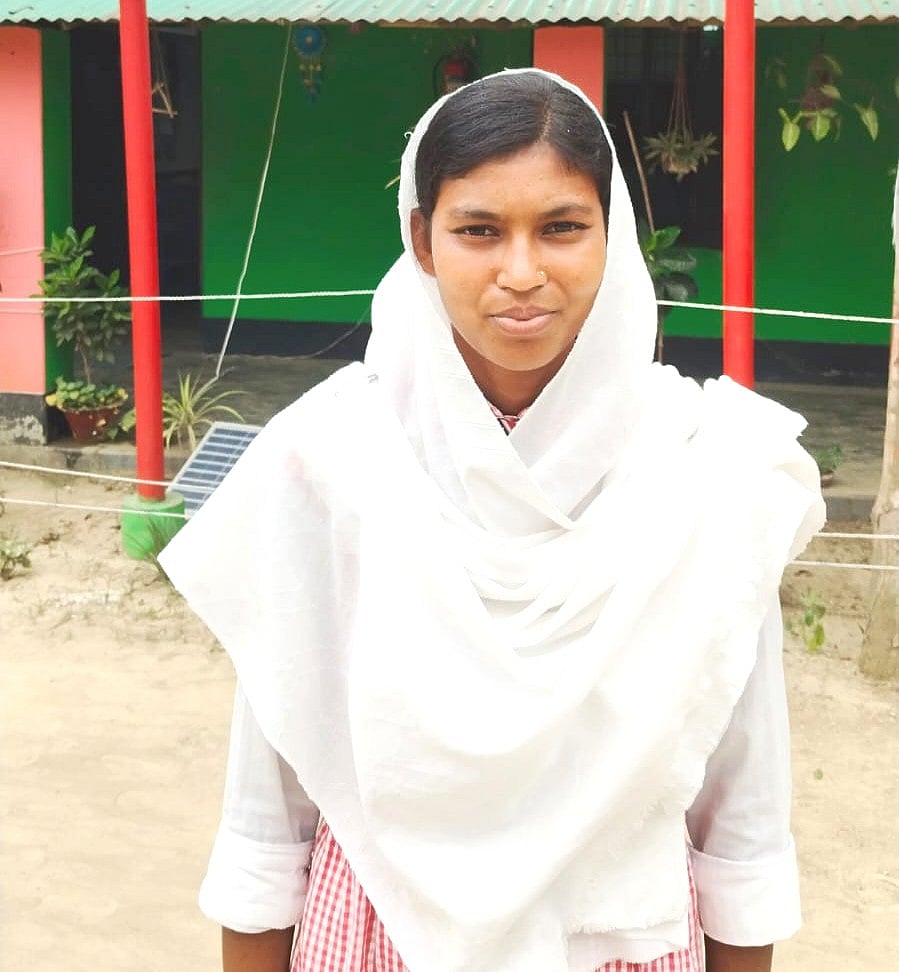
Tenth-grade student Suronjana Rani, from the indigenous Kol community in Babudaiang village, Godagari Upazila, Rajshahi district, dreams of a society free from child marriage. She attends Babudaiang Alor Pathshala, a school run by the Prothom Alo Trust, where she receives free education. Despite facing poverty and walking five kilometers daily to attend school, Suronjana is academically inclined and excels in farming, dancing, and drawing. Her family, including her parents Sushil Kol and Amiya Rani, and brother Kajol Kol, are landless agricultural laborers. Suronjana aspires to pursue higher education, contribute to social development, and support her family. She identifies poverty, lack of awareness, social insecurity, superstition, and insufficient education and legal enforcement as drivers of child marriage, particularly in rural areas like Babudaiang. Suronjana highlights the severe consequences, including increased maternal and infant mortality due to early pregnancies. She advocates for community engagement through meetings, raising awareness about the physical, mental, and legal repercussions of child marriage, promoting education and health, and ensuring legal action against perpetrators. Suronjana believes that eradicating child marriage requires a collective social movement, emphasizing the principle that educating a girl educates a family.
This narrative highlights the systemic challenges of child marriage, driven by poverty and a lack of awareness, particularly within marginalized communities. Suronjana Rani's personal journey and advocacy underscore the critical role of education and community-based initiatives in fostering social change. The analysis suggests that effective solutions require a multi-pronged approach, integrating educational empowerment, legal enforcement, and sustained public awareness campaigns. Addressing the root causes of poverty and promoting gender equality are essential for long-term progress. Future efforts should focus on strengthening social safety nets and leveraging technology to disseminate information and support vulnerable families, thereby building a more equitable society.
AI-generated to prompt reflection — not editorial opinion, not advice, not a statement of fact. How this works.