Student Killed in Violent Protests, Family Receives Final Call
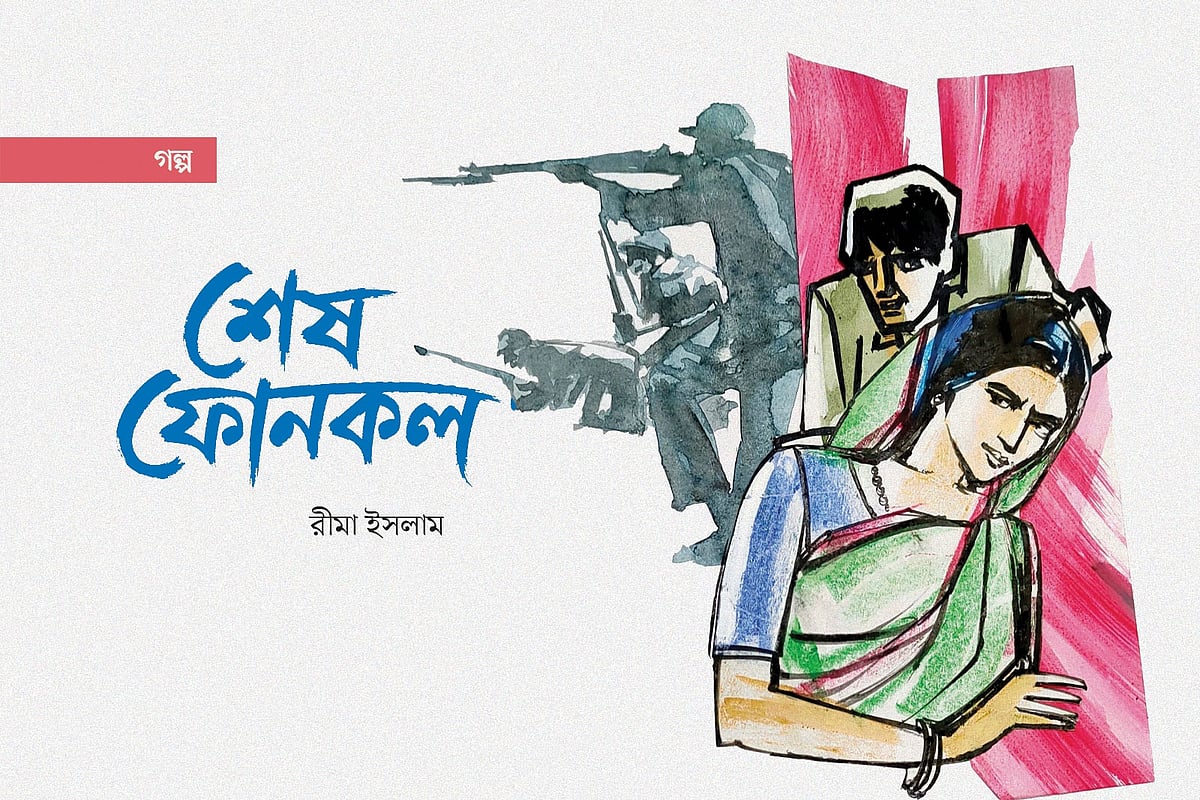
On August 5th, a student named Sadaf left home for private tutoring, promising to return by noon. His father, Altaf Hossain, a newspaper reader on the veranda, cautioned him about the volatile situation outside. Sadaf, however, expressed a desire for freedom from constant worry and left with a hurried, carefree demeanor. His mother, Sadia Akhtar, was cooking lunch and reminded him to eat at home. The day's events took a tragic turn as protests erupted in Ashulia's Jamgora, Unic, and Shimultola areas, fueled by rumors of the dictator's fall. Amidst slogans and palpable tension, the situation at Ashulia Police Station became grim. Sadaf, caught near the Bypail intersection, called his father, his voice trembling, describing the chaos and gunfire around him. He reported seeing people shot in the head, waist, and abdomen. Altaf Hossain, gripped by fear, urged his son to return immediately, but Sadaf explained that all routes were blocked and many people were present. Their conversation was cut short by the sounds of gunfire and screams, followed by a faint "Okay" before the line went dead. The family spent the night in agonizing suspense, mistaking every car sound and distant voice for Sadaf's return. Tragically, Sadaf was later identified by his blue jeans and sky-blue shirt among the charred bodies found in a burning van, a victim of the violence. Reports indicate that local representatives, along with armed cadres and police, opened fire on protesters in the Bypail area, resulting in 20-25 deaths and numerous injuries. A video circulated showing police throwing bodies onto a rickshaw van, dousing them with petrol, and setting them ablaze, treating the victims as refuse. Six bodies were later left near a mosque for local burial. Two years later, the family still grieves, with Sadaf's unfinished geometry notebook a poignant reminder of his absence.
This narrative highlights the devastating personal impact of political instability and violent suppression of dissent. The account details how escalating protests, fueled by rumors and met with lethal force by state and non-state actors, can transform public gatherings into deadly traps. The tragic loss of Sadaf, identified through a final, harrowing phone call and later discovered among burned victims, underscores the human cost of such events. The description of bodies being treated as refuse and set ablaze points to a severe breakdown in human dignity and state accountability. The lingering trauma for the parents, marked by the preserved final phone call and an unfinished notebook, illustrates the profound and enduring grief that follows such state-sanctioned violence. Future governance models must prioritize de-escalation, transparent investigations, and the protection of civilian life to prevent such atrocities and ensure justice for victims.
AI-generated to prompt reflection — not editorial opinion, not advice, not a statement of fact. How this works.