Student Pilot Dies After Traditional 'Oil Bath' Celebration in Brazil
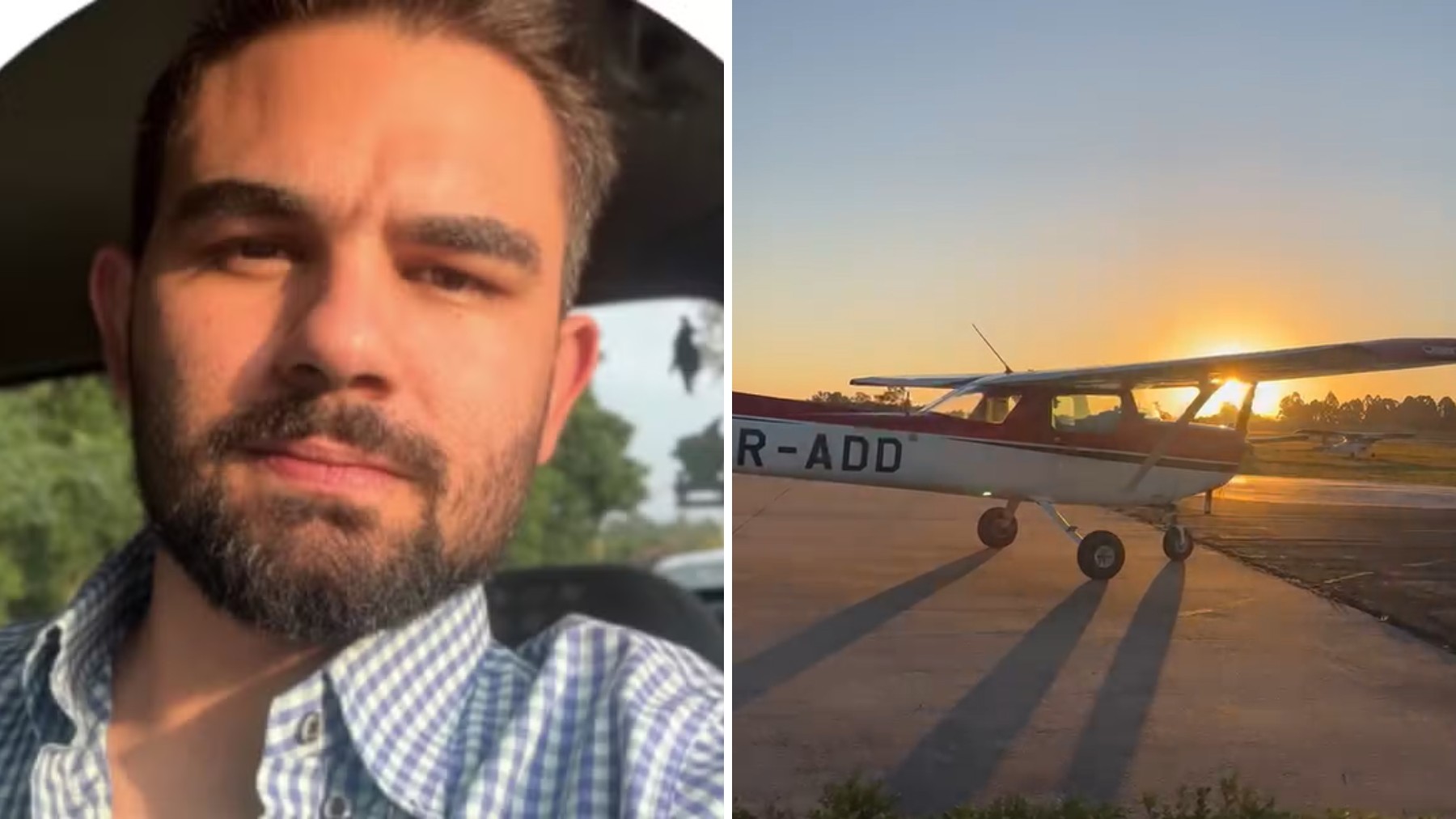
A 27-year-old electrical engineer, Gustavo Henrique Lara, tragically died in Ponta Grossa, Paraná, Brazil, after a celebratory ritual involving an aircraft engine oil bath following his first solo flight. The incident occurred on Thursday, May 16th. Lara, who had dreamed of becoming a pilot for eight years, experienced a severe allergic reaction, including convulsions and three cardiac arrests, after an flight instructor poured oil on him. Medical teams were able to revive him twice, but the third cardiac arrest proved fatal. The flight instructor, who reportedly poured the oil from the neck down, was arrested for involuntary manslaughter. He was released on a R$3,000 bail and is cooperating with the investigation. The family considers the event a fatality, noting the good relationship between the victim and the instructor. The National Civil Aviation Agency (Anac) expressed condolences and warned against contact with aviation chemicals, urging aviation schools to rethink celebratory rituals to prioritize safety. The flight school, CIAC of Ponta Grossa Aeroclub, also conveyed its sorrow and stated the event happened outside its premises after the flight activity concluded. Investigations are ongoing to clarify all details surrounding the incident.
This incident highlights a critical tension between tradition and safety in aviation training. While celebratory rituals can foster camaraderie, the use of hazardous materials like aircraft engine oil in such practices poses significant, preventable risks. The legal and regulatory response, including the arrest and bail of the instructor and Anac's advisory, underscores the need for aviation institutions to proactively assess and mitigate risks associated with non-standard training activities. Future aviation safety protocols should mandate a review of all celebratory practices, ensuring they align with modern risk management principles and do not expose trainees or staff to unnecessary harm, particularly as AI and automation continue to evolve the aviation landscape, demanding an even higher standard of systemic safety.
AI-generated to prompt reflection — not editorial opinion, not advice, not a statement of fact. How this works.