Student Pilot Dies from Chemical Burns After Aviation School "Oil Bath" Ritual
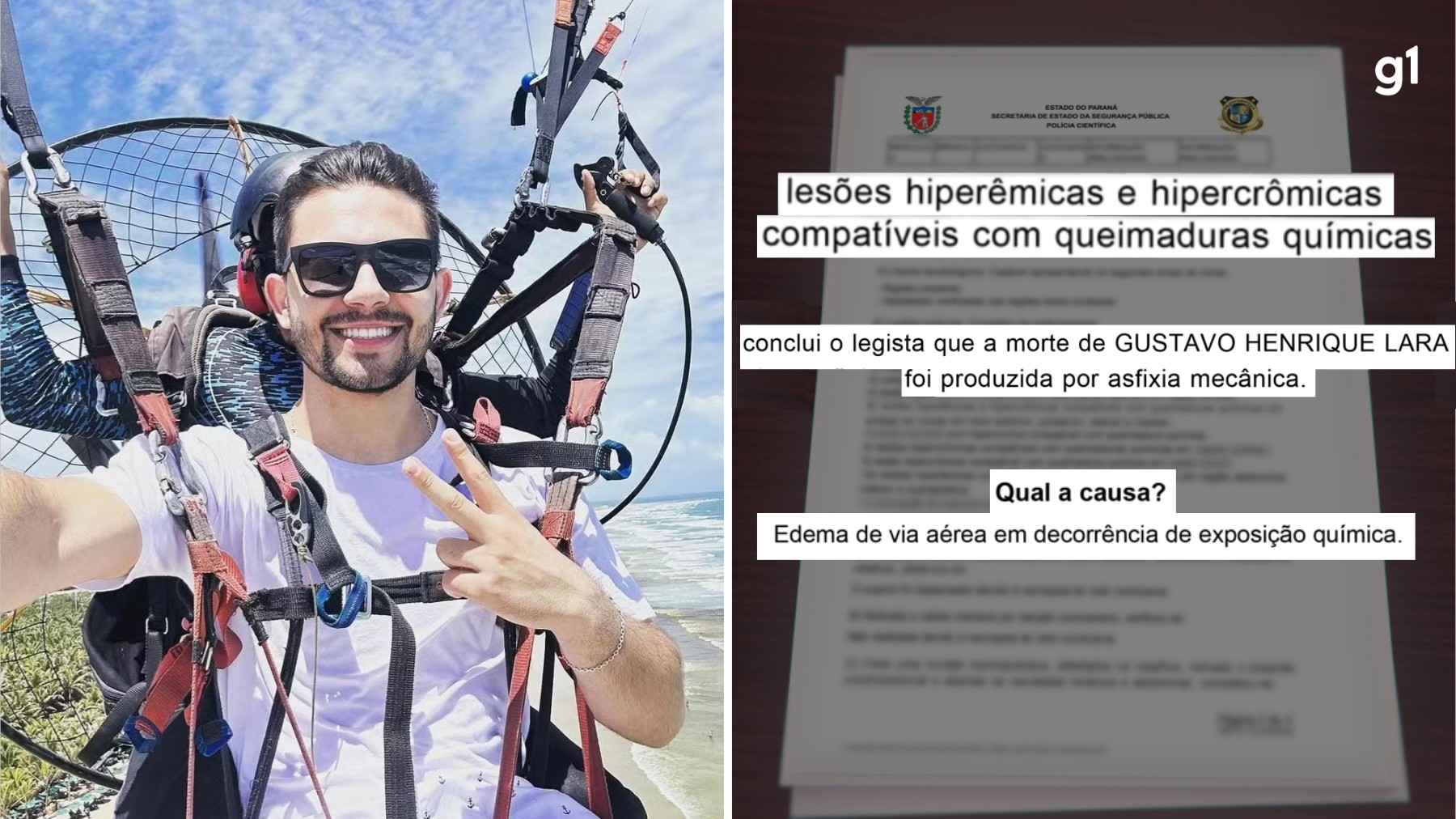
An aviation student, engineer Gustavo Henrique Lara, has died following a traditional "oil bath" celebration at a flight school in Ponta Grossa, Paraná, Brazil. The ritual, intended to commemorate his first solo flight, involved an instructor pouring aircraft engine oil over him. Lara subsequently suffered a severe allergic reaction, leading to chemical burns on his face, abdomen, and legs. Medical experts explained that chemical burns are caused by the substance's composition and an individual's genetic predisposition to allergies, rather than temperature. The official autopsy report from the Paraná Scientific Police concluded that Lara's death was due to mechanical asphyxiation from airway edema, a swelling of the throat caused by the allergic reaction to the oil. This swelling obstructed his airway, preventing oxygen from reaching his lungs and leading to cardiac arrest. Emergency services were called, and although initial resuscitation attempts were made, Lara did not survive his third cardiac arrest. The flight instructor who administered the oil bath was arrested on charges of involuntary manslaughter but was released on a R$3,000 bail. The police are continuing their investigation, interviewing witnesses and examining the composition of the oil to rule out other contributing factors. The "oil bath" is a common, albeit informal, tradition in Brazilian aviation schools, often seen as a rite of passage for pilots.
The tragic death of Gustavo Henrique Lara highlights the potential risks associated with deeply ingrained, yet potentially hazardous, institutional traditions. While celebratory rituals can foster camaraderie and mark significant achievements, the investigation into this incident must rigorously assess the risk management protocols within aviation training environments. This includes scrutinizing the choice of materials used in such rituals, the adequacy of safety briefings, and the training of personnel responsible for overseeing these events. Moving forward, aviation schools and regulatory bodies like ANAC should consider implementing standardized safety guidelines for all celebratory practices to prevent future occurrences, ensuring that rites of passage do not inadvertently become sources of danger in an industry where safety is paramount.
AI-generated to prompt reflection — not editorial opinion, not advice, not a statement of fact. How this works.