Student Protest Against Education Minister Demands Resignation, Spreads Nationwide
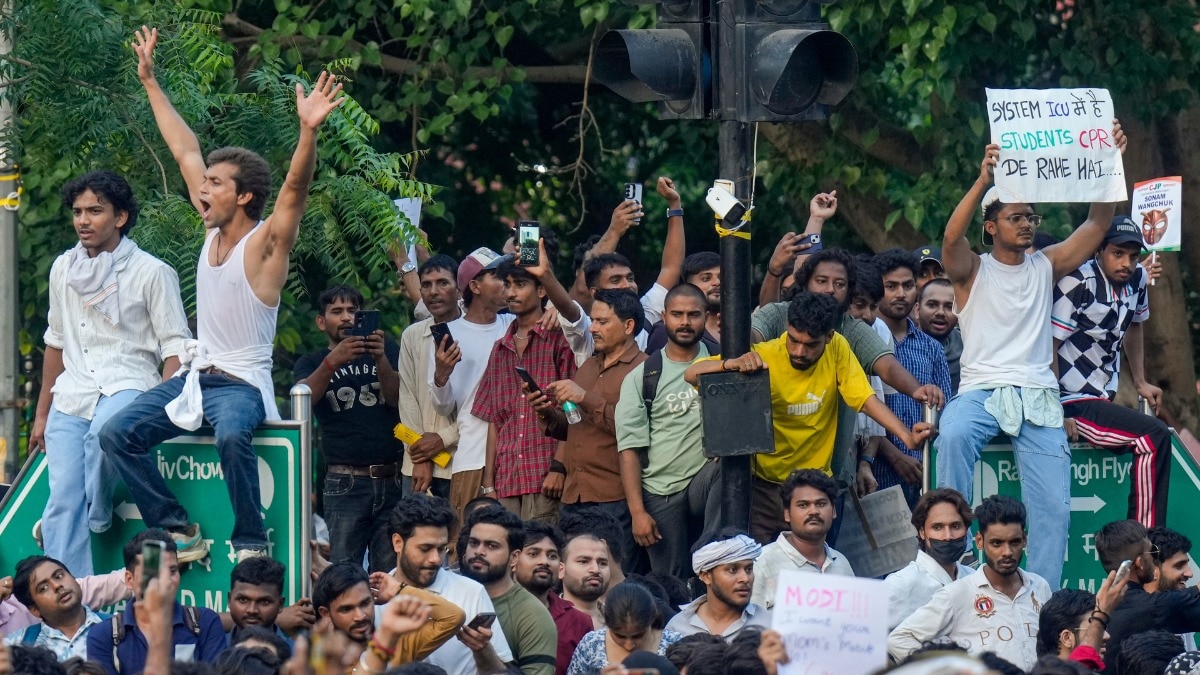
Students are protesting at Jantar Mantar in Delhi under the banner of 'Cockroach Janata Party' (CJP), demanding the resignation of Education Minister Dharmendra Pradhan. The protest intensified on July 20th with a 'Chalo Parliament' march, which resulted in clashes between police and demonstrators, leading to dozens of injuries. Sonam Wangchuk is continuing a hunger strike in the hospital, also calling for Pradhan's resignation. The movement has expanded beyond Delhi, with similar protests now occurring in Mumbai, Bengaluru, Kolkata, Patna, and other cities across India. Opposition parties have criticized the government over the issue, while the Bharatiya Janata Party (BJP) claims the protests are politically motivated.
This student-led protest highlights growing public discontent regarding educational policies and governance, manifesting as a demand for ministerial accountability. The rapid spread of demonstrations across major Indian cities suggests a broader societal concern that transcends a single issue, potentially reflecting systemic pressures on the education sector. The government's framing of the protests as politically motivated, contrasted with the opposition's engagement, indicates a complex interplay of political opportunism and genuine public grievance. Looking ahead, such movements underscore the increasing importance of responsive governance and transparent policy-making in an era where information flows rapidly and public mobilization is facilitated by digital networks. The challenge for policymakers will be to address the root causes of dissatisfaction to prevent future escalations and ensure educational reforms align with societal needs and aspirations.
AI-generated to prompt reflection — not editorial opinion, not advice, not a statement of fact. How this works.