Student's childhood memory leads to discovery of new archaeological site in Bahia
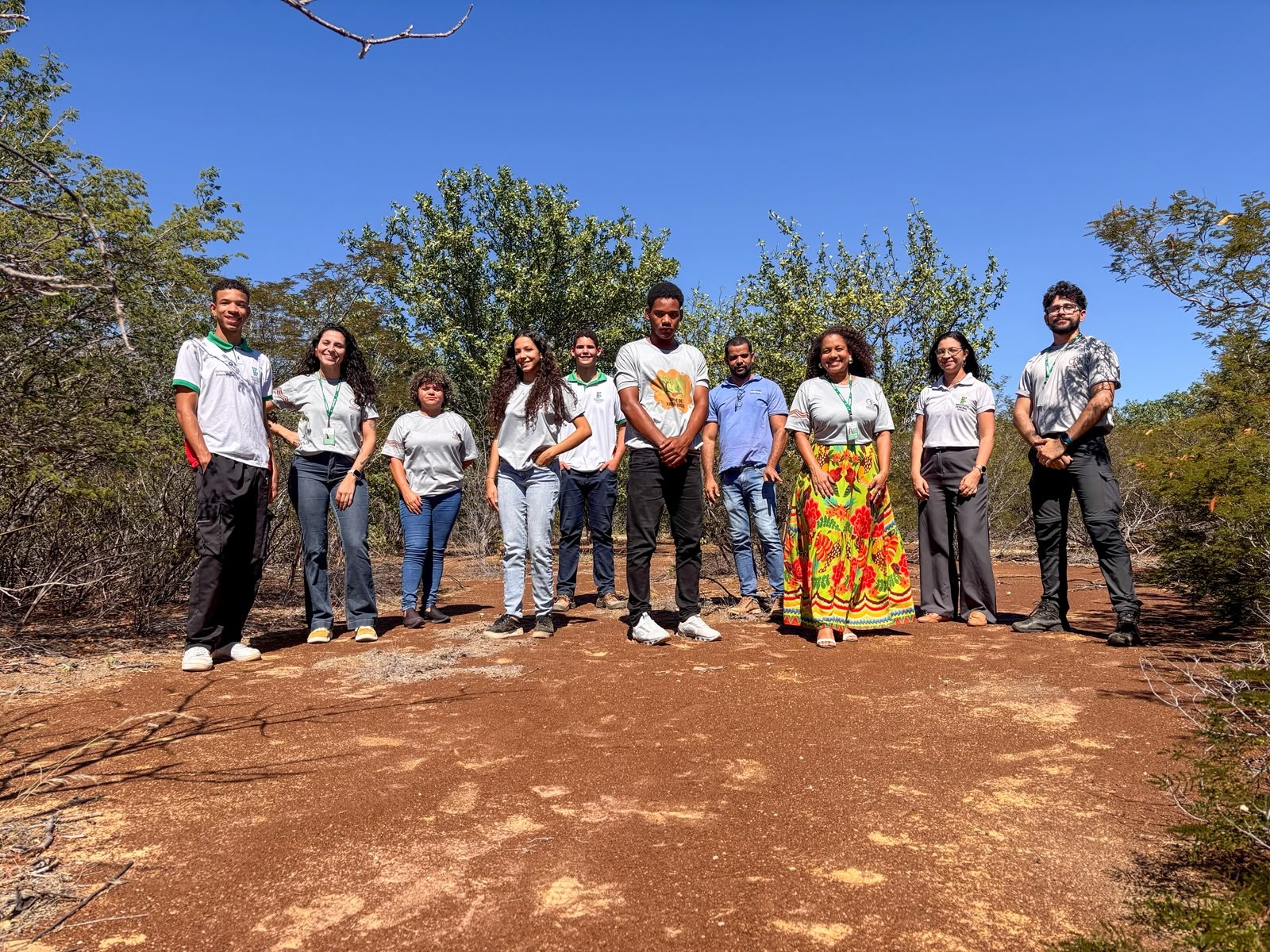
A 17-year-old student, Cassiano Santos da Conceição, has been instrumental in the discovery of a previously unknown archaeological site in Xique-Xique, Bahia, Brazil. His recollection of a childhood visit to a stream named Olhos D'Água sparked the interest of researchers from the Instituto Federal Baiano (IF Baiano). This led to an expedition that uncovered the 'Olhos D'Água' site, which features rock paintings, a stone polisher used by ancient peoples for toolmaking, and fragments of pre-colonial pottery. The site has now been officially recognized and added to the National Register of Archaeological Sites by the National Historical and Artistic Heritage Institute (Iphan). Cassiano, a resident of the local Rumo community, first visited the area in 2020. His memory of the location, shared years later while he was a high school student at IF Baiano participating in the Assuruá Project, prompted the researchers to investigate. The project, focused on identifying and studying regional archaeological sites, was surprised by the findings, as the area was not previously documented in any archaeological records. Professor Romeu Leite, the project coordinator, noted that the site's location near a spring in the semi-arid region was unexpected, as ancient populations typically settled where water and food were available. The discovery is significant because it includes multiple types of archaeological evidence—rock art, tools, and ceramics—within a relatively small area of less than one kilometer. The rock paintings belong to the São Francisco Tradition, characterized by human figures, animals, and geometric designs. Some paintings were significantly weathered, requiring digital enhancement to reveal original pigments. The stone polisher is a naturally formed rock structure used for crafting stone tools. The discovery of pottery fragments in a subsequent expedition offers potential clues about the specific groups who inhabited the region and their cultural traditions, though further studies are needed to determine this. The site's exposure to the elements poses a risk to its preservation, highlighting the importance of its official registration for future research and conservation efforts. The involvement and appreciation of the local population are also seen as crucial for safeguarding this newly identified heritage.
This discovery underscores the significant role of local knowledge and curiosity in advancing scientific understanding, particularly in archaeology. The identification of the Olhos D'Água site highlights how previously undocumented heritage can exist within seemingly familiar landscapes, accessible through persistent observation and community engagement. The integration of student-led initiatives with institutional research, as seen with Cassiano Santos da Conceição and IF Baiano, offers a scalable model for future archaeological exploration. The presence of diverse artifacts—rock art, tools, and ceramics—suggests a complex history of human occupation, warranting further interdisciplinary study to reconstruct the socio-cultural dynamics of ancient populations in Bahia's semi-arid region. As climate change increasingly impacts water availability, understanding past human adaptation strategies in such environments becomes more critical for contemporary resilience planning.
AI-generated to prompt reflection — not editorial opinion, not advice, not a statement of fact. How this works.
