Student's mother awaits autopsy results for severed foot after fatal highway crash
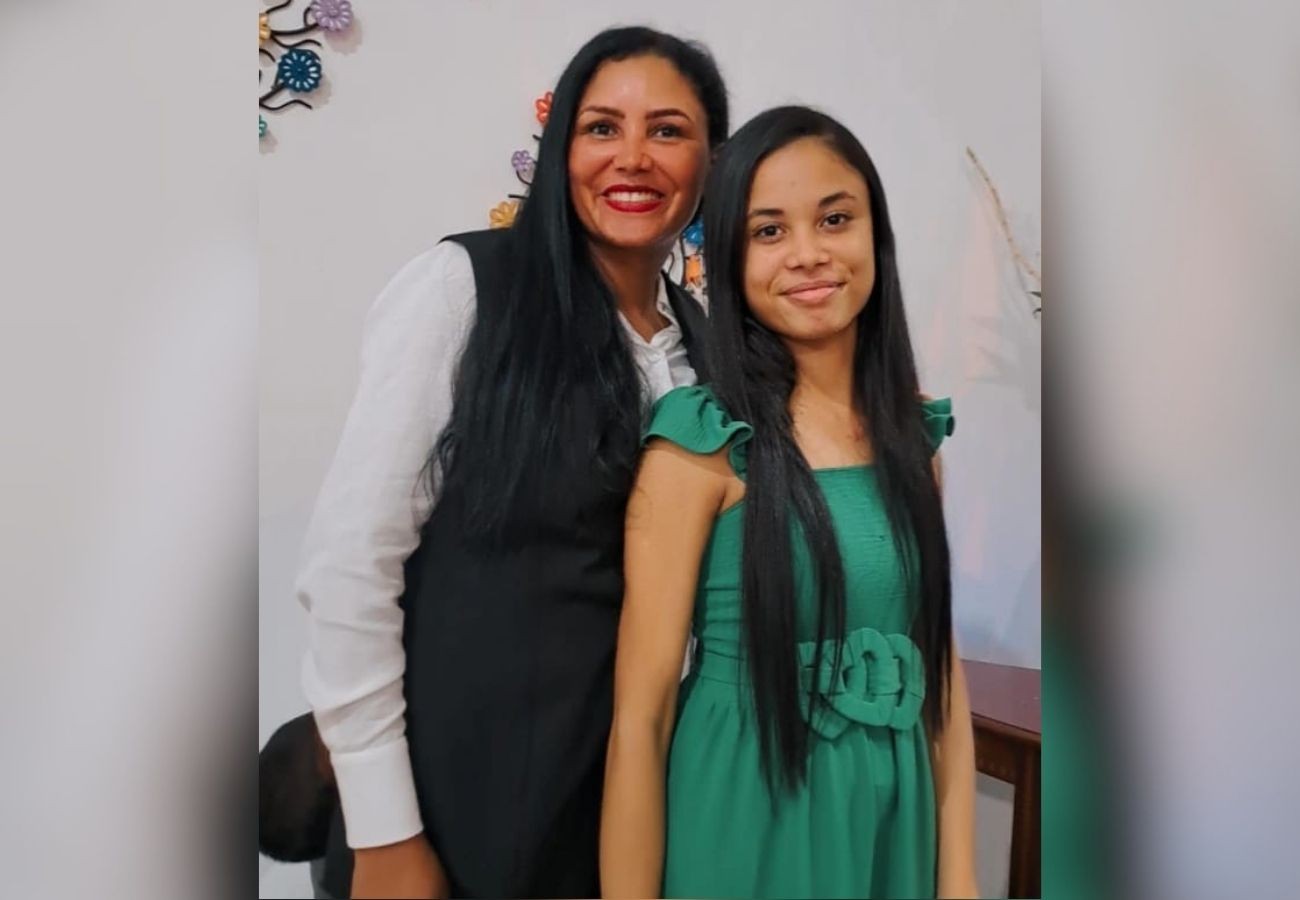
Maria Aparecida dos Santos is desperately awaiting forensic results to confirm if a severed foot found five kilometers from a fatal accident scene belongs to her 22-year-old daughter, Jhenyfer Camilly Alves dos Santos. Jhenyfer died on May 17th after the motorcycle she was traveling on with her husband, Sergiomar de Freitas Lima, was struck head-on by a car on BR-010 in Palmas. The impact tragically resulted in the amputation of Jhenyfer's foot. The family has been waiting for over a month for the crucial forensic report, which will allow them to proceed with the burial. Maria described her daughter as a vibrant nutrition student who dreamed of graduating to support her family and was known for her cheerful disposition and frequent video calls with her siblings. The driver of the car, identified as off-duty police officer Nerivaldo Mendes, 39, has been charged with vehicular manslaughter and negligent injury. Civil Police confirmed Mendes passed a breathalyzer test showing no alcohol consumption. The accident occurred while Jhenyfer and her husband were en route to visit relatives in Aparecida do Rio Negro, where the family resides, while Jhenyfer studied in Palmas.
This tragic incident highlights the critical need for efficient and transparent forensic processes, especially in cases involving fatal accidents. The extended delay in releasing autopsy results places an immense emotional burden on the grieving family, underscoring the human impact of bureaucratic timelines. From a systemic perspective, such delays can erode public trust in the justice system's ability to provide timely closure. Future improvements could involve establishing clear service level agreements for forensic investigations or implementing advanced technologies to expedite sample analysis, ensuring that families receive necessary information promptly while maintaining scientific rigor. The case also raises questions about road safety, particularly concerning the interaction between civilian vehicles and potentially distracted drivers, regardless of their professional background.
AI-generated to prompt reflection — not editorial opinion, not advice, not a statement of fact. How this works.