Students in Bahia, Brazil, Build Cardboard Air Quality Monitor
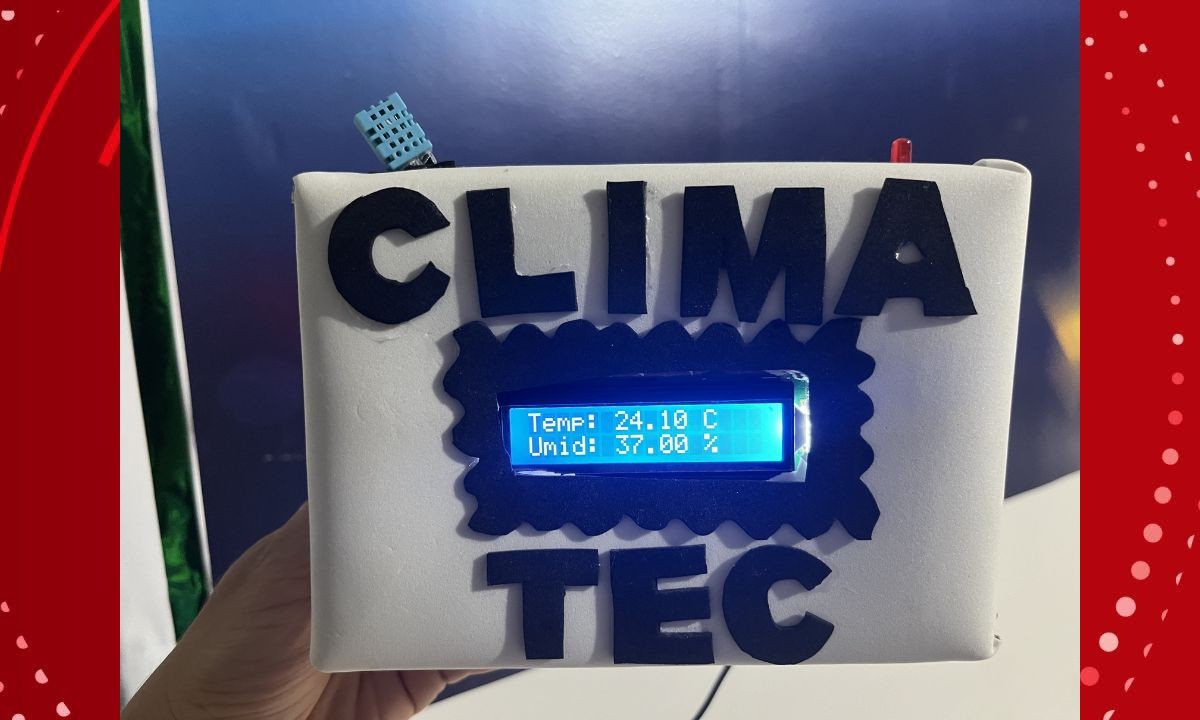
Students at Nossa Senhora do Perpétuo Socorro Municipal School in Uauá, Bahia, Brazil, have developed a low-cost device called "Climatec" to monitor air quality. The project was initiated in 2025 by a group of three students who observed frequent respiratory issues among their peers, such as asthma and rhinitis, exacerbated by the region's dry climate. The "Climatec" integrates robotics knowledge with recycled materials, specifically using a cardboard box to house an Arduino microcontroller, a humidity and temperature sensor, an LCD screen, and an LED light. The system collects air data, processes it via the Arduino, and displays the readings on the LCD. A red LED illuminates if humidity levels fall below 40% or exceed 60%, as recommended by the WHO, or if readings go below 30% or above 70%. Currently, the project is led by students Ana Cllara Ribeiro dos Santos and Henrique Ribeiro Leal. The device's alerts allow students with respiratory problems to be excused from class or to take precautions. The creators envision expanding the device's use beyond the school to health centers and hospitals, especially in the context of climate change. The school is currently mapping resources to build more units for broader implementation within the educational institution.
This initiative highlights how accessible technology and readily available materials can address localized environmental health challenges. The students' project demonstrates a proactive approach to mitigating the impact of climate conditions on student well-being, directly linking environmental factors to health outcomes within the school setting. The "Climatec" device serves as a practical tool for raising awareness and enabling immediate protective measures, such as class dismissal or mask usage. Its potential scalability to public health facilities suggests an understanding of broader public health needs and the role of environmental monitoring in preventative care. The project's success underscores the importance of fostering innovation at the grassroots level, empowering students to identify and solve problems within their communities, and potentially influencing future public health strategies focused on environmental resilience.
AI-generated to prompt reflection — not editorial opinion, not advice, not a statement of fact. How this works.