Study Finds Nearly 74% of Senegalese Spices Contaminated with Staphylococcus
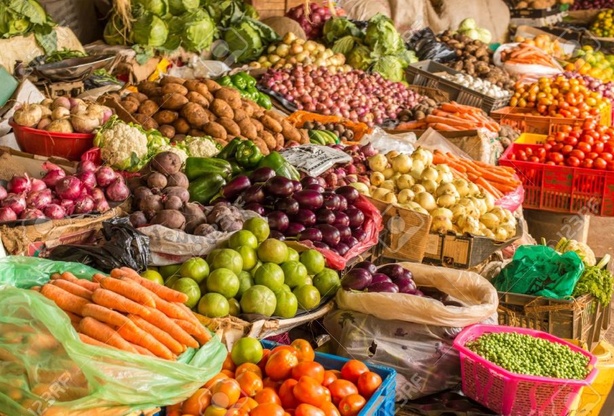
A joint study by the Cheikh Anta Diop University (UCAD) and the National Food Safety Agency (ANSES) has uncovered a significant contamination issue in spices sold across Senegal. The research revealed that a concerning 73.96% of spice samples collected tested positive for Staphylococcus bacteria. This finding highlights a potential public health risk associated with the consumption of these widely used food ingredients. The researchers involved in the study are now calling for more stringent and frequent controls on the spice market to ensure consumer safety. They emphasize the need for enhanced monitoring throughout the supply chain, from production to retail. The study's results underscore the importance of food safety regulations and their effective implementation. Further investigations may be needed to determine the specific strains of Staphylococcus present and their potential health implications.
The study's findings on Staphylococcus contamination in Senegalese spices raise critical questions about food safety standards and enforcement within the region. The high percentage of contaminated samples suggests potential systemic weaknesses in quality control measures, impacting both local consumers and potentially international trade. Addressing this issue will require a multi-faceted approach, including enhanced regulatory oversight, improved hygiene practices at production and distribution levels, and consumer education. Future efforts should focus on identifying the root causes of contamination and implementing sustainable solutions to mitigate risks, ensuring the integrity of the food supply chain in the long term.
AI-generated to prompt reflection — not editorial opinion, not advice, not a statement of fact. How this works.