Study for BR-381 highway duplication submitted to ANTT
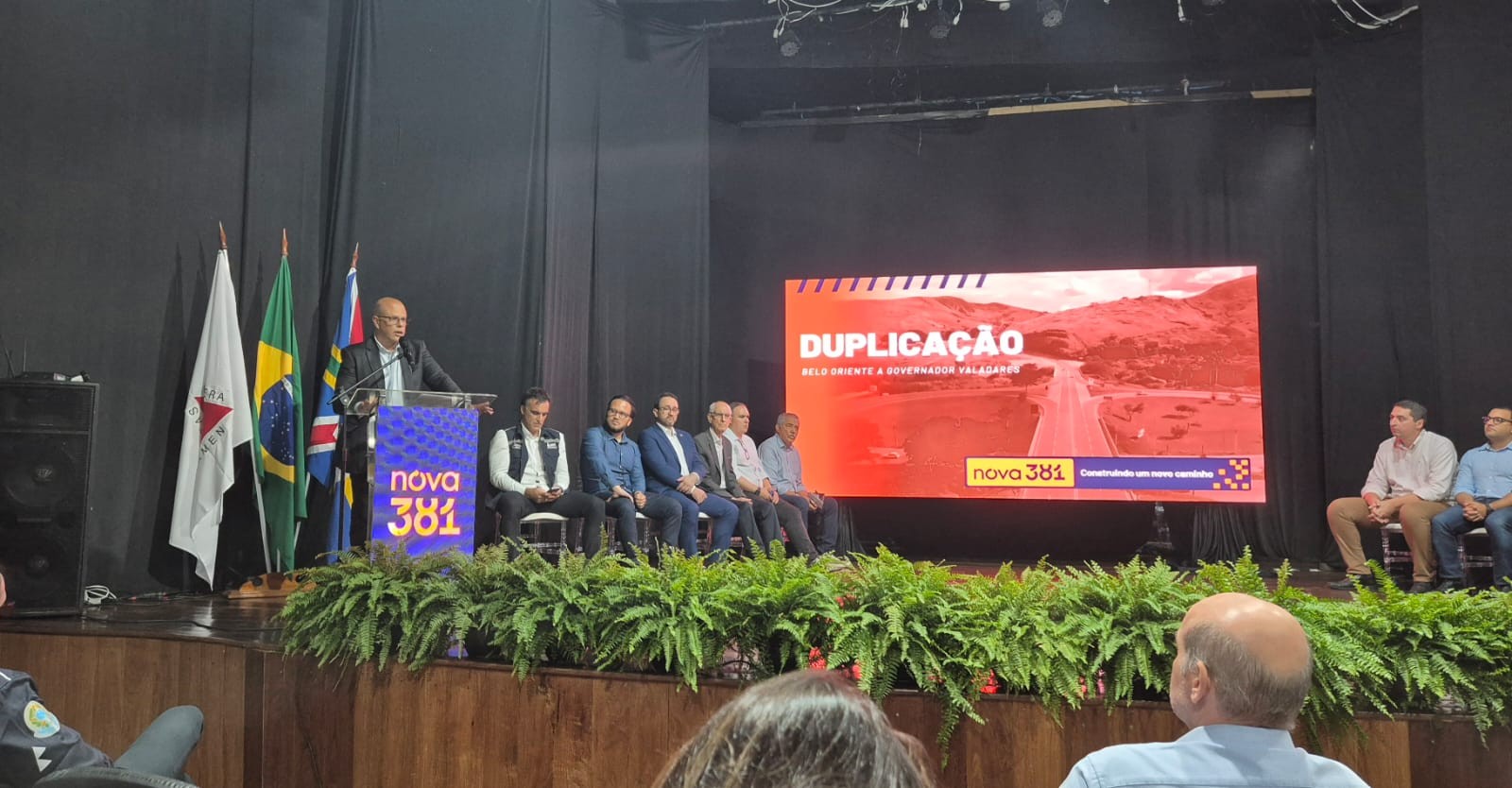
A technical, economic, and environmental feasibility study (EVTEA) for the duplication of a 74-kilometer stretch of the BR-381 highway, connecting Governador Valadares and Belo Oriente, has been submitted to the National Land Transport Agency (ANTT). The document was presented on Wednesday, November 1st, during a meeting involving ANTT representatives, concessionaires, and regional leaders. This duplication was not part of the highway's original concession contract. According to the mayor of Governador Valadares, José Bonifácio Mourão, the study was conducted to demonstrate that the traffic volume on this segment meets ANTT's criteria. He expressed confidence that the ANTT will approve the study, as its requirements have now been met. If approved, the duplication could be added to the concessionaire's contract via an amendment, addressing a long-standing demand from the population of Eastern Minas Gerais and enhancing safety. The meeting also provided updates on BR-116 projects, with the concessionaire Ecovias Rio Minas expecting the second São Raimundo bridge to be completed this year. Additionally, the entire urban section of the BR-116 in Governador Valadares, from the BR-381 junction to the Alpercata exit, will be duplicated. This includes the Vale railway viaduct, the JK viaduct and bridge, and new viaducts in the Vila Isa area. These BR-116 improvements represent over R$300 million in investments, with an anticipated completion date of September 2027. The concessionaire stated that these interventions also encompass urban mobility and road safety enhancements along the entire granted stretch.
The submission of this EVTEA study signifies a procedural step to potentially expand highway infrastructure beyond initial concession agreements. The justification for the duplication hinges on demonstrating sufficient traffic volume, a common metric for infrastructure investment. This highlights the dynamic nature of transportation needs and how they can evolve post-concession, requiring mechanisms for contract adjustments. The inclusion of significant investment in urban sections of the BR-116, alongside the BR-381 duplication, suggests a broader strategy to address regional development and safety concerns. Future infrastructure planning may benefit from more adaptive models that anticipate evolving traffic patterns and integrate urban and intercity transport needs more holistically from the outset, potentially reducing the need for subsequent, complex amendments.
AI-generated to prompt reflection — not editorial opinion, not advice, not a statement of fact. How this works.